Dopamine Colors and Rising Home Resale Values in 2026
Homeowners seek ways to combine personal enjoyment with financial gain, and dopamine colors offer a compelling solution. These vibrant hues, inspired by the brain's feel-good chemical, infuse spaces with energy and appeal. As the 2026 real estate market evolves, strategic use of these colors positions properties for higher resale values through enhanced emotional and visual impact.
Understanding Dopamine Colors
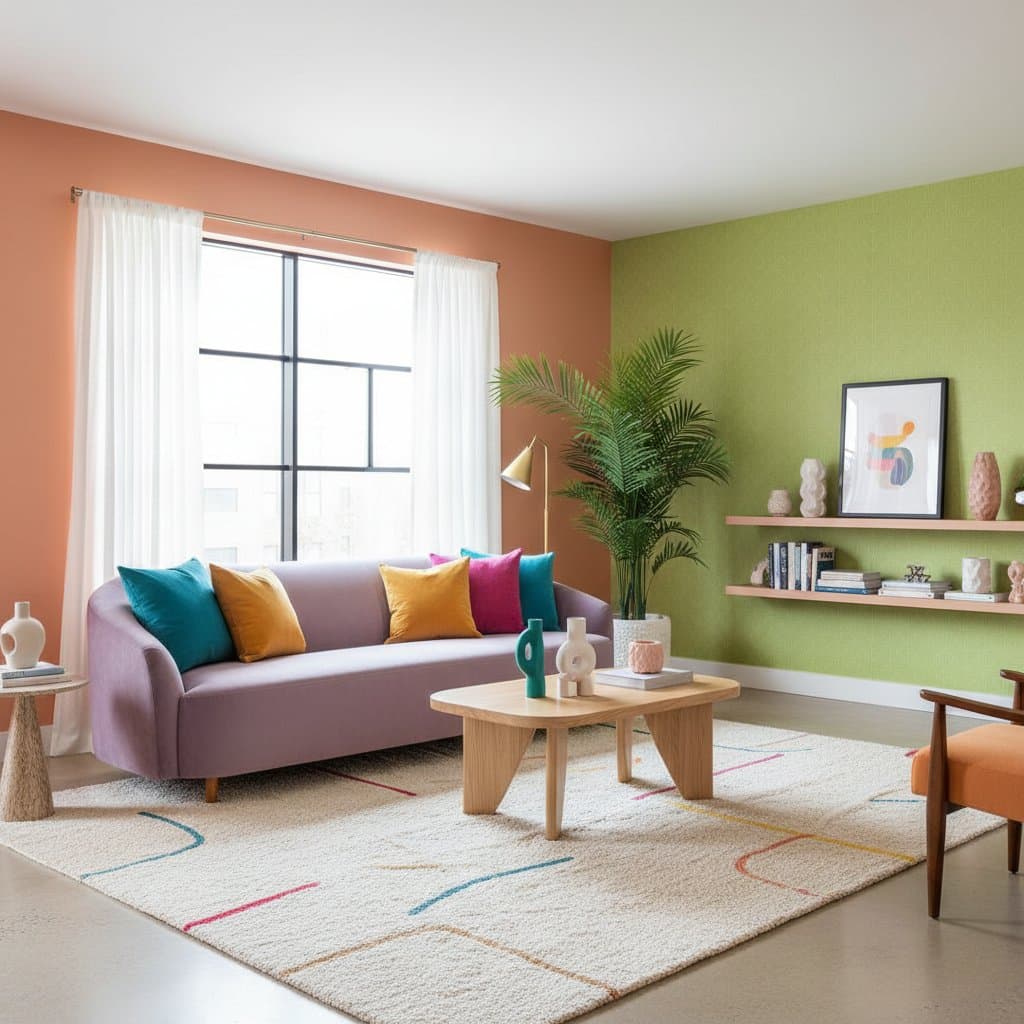
Dopamine colors refer to bold, uplifting shades that evoke excitement, comfort, and joy upon first sight. Examples include juicy coral, fresh mint green, and soft lilac, which contrast sharply with neutral, subdued palettes. The term draws from dopamine, the neurotransmitter associated with pleasure and reward, reflecting how these tones stimulate positive emotional responses.
Experts in color psychology and real estate emphasize that such hues foster deeper connections between buyers and properties. Beyond aesthetics, they promote wellness by brightening environments and countering monotony. In competitive markets, homes featuring these colors stand out, attracting more interest and potentially accelerating sales.
The Impact of Dopamine Colors on Resale Value
Vibrant colors serve as a low-cost yet high-impact upgrade in home preparation. Paint applications require minimal investment but yield significant visual transformation, making spaces appear more inviting in photographs and tours. Properties with dynamic color schemes often receive higher click-through rates on listings, leading to increased buyer competition.
Professional experience from design projects demonstrates how color alters perceptions rapidly. A dull room painted in a sunny dopamine shade expands visually and conveys warmth. This effect translates to real estate, where bold yet balanced palettes signal thoughtful maintenance and modernity, ultimately supporting premium pricing.
Key Dopamine Colors for 2026 Trends
Several hues dominate forecasts from design and real estate sectors. Each offers unique emotional benefits and versatile applications:
- Vivid Coral: This playful tone energizes living areas; apply it to an accent wall for immediate vibrancy.
- Sky Blue: A serene, contemporary choice for bedrooms or bathrooms, it complements white trim and metallic accents.
- Chartreuse: Blending green and yellow, it conveys optimism; use in kitchens or entryways to welcome visitors.
- Lilac and Lavender: These subtle shades add refined calm to lounges or reading nooks.
- Peachy Blush: As a warm neutral, it enhances skin tones and harmonizes with wooden elements.
- Saturated Teal: Grounded and bold, it suits cabinetry or small bathrooms for a sophisticated statement.
These colors not only decorate but also evoke specific moods, encouraging buyers to envision personal stories within the space.
Implementing Dopamine Colors on a Budget
Effective design adapts to financial constraints, allowing gradual integration of these trends.
Low-Budget Options:
Swap in colorful accessories like throw pillows in coral or vases in mint. Introduce peel-and-stick wallpaper or painted frames for renter-friendly updates. These changes shift energy without permanent alterations.
Mid-Budget Strategies:
Select one or two walls for painting, contrasting with white trim for definition. Test in low-commitment areas such as hallways or powder rooms to build confidence. This approach creates welcoming transitions throughout the home.
Higher-Budget Transformations:
Pursue comprehensive updates, including color-blocked walls or refinished cabinetry. Pair bold hues with neutral flooring and organic textures for equilibrium. For resale, assign a signature color to each major room to ensure cohesive flow.
Enhancing Photographic Appeal with Color
Design principles from visual media apply directly to real estate imagery. Saturated dopamine colors provide clear definition, adding depth and dimension to photos. They reflect light effectively, making interiors appear spacious and illuminated.
Test swatches under varied lighting conditions, including natural daylight and warm bulbs, to confirm consistency. Avoid surprises by observing how hues shift throughout the day. This preparation ensures colors maintain their joyful intent across all viewing scenarios.
Maximizing Return on Investment Through Color
Paint emerges as a top investment in home enhancements due to its affordability and broad appeal. Dopamine shades generate emotional resonance that furniture rearrangements cannot match. Homeowners who update palettes before listing often reduce time on market and attract discerning buyers.
Real estate experts describe this as emotional staging, where color conveys vitality and renewal. Such strategies align with branding principles, projecting optimism to potential purchasers. The result is a property that feels current and desirable.
Selecting Materials and Finishes
Finishes influence how dopamine colors perform and endure. Matte options suit softer tones like lilac, providing a velvety texture. Semi-gloss enhances durability in high-traffic zones such as kitchens, while reflecting light for brightness.
Opt for premium, low-VOC paints to minimize odors and environmental impact. These formulations offer rich pigmentation and longevity, resisting wear from cleaning. Sustainable choices ensure vibrant results without health compromises.
Achieving Balance with Neutrals
Bold colors risk overwhelming if not tempered properly. Position dopamine hues as accents against bases of cream, stone, or light gray. Natural materials like wood or woven fibers provide grounding.
In open layouts, echo a single accent color sparingly across areas, such as through artwork or textiles. This repetition fosters unity and prevents fragmentation, creating a harmonious overall design.
Sustaining Joy in Your Home Design
Dopamine colors adapt easily to evolving preferences, allowing adjustments via accessories. Their enduring appeal lies in promoting daily well-being alongside market value. By prioritizing these hues, homeowners craft spaces that nurture positivity and enhance long-term equity.