The Chalk Paint Approach to Affordable Cabinet Refinishing
Refinishing kitchen cabinets transforms the heart of a home, yet professional services often exceed $2,000. Homeowners increasingly opt for chalk paint as a cost-effective DIY solution. This technique delivers a smooth, matte finish that rivals professional results while keeping expenses low. By mastering the materials, process, and budgeting, individuals secure a refreshed kitchen for a fraction of the cost.
Chalk paint adheres well to various surfaces with minimal preparation, making it ideal for busy schedules. The method avoids extensive sanding or priming in many cases. Results appear polished and modern, enhancing daily living spaces without financial strain.
Overview of Costs for Chalk Paint Projects
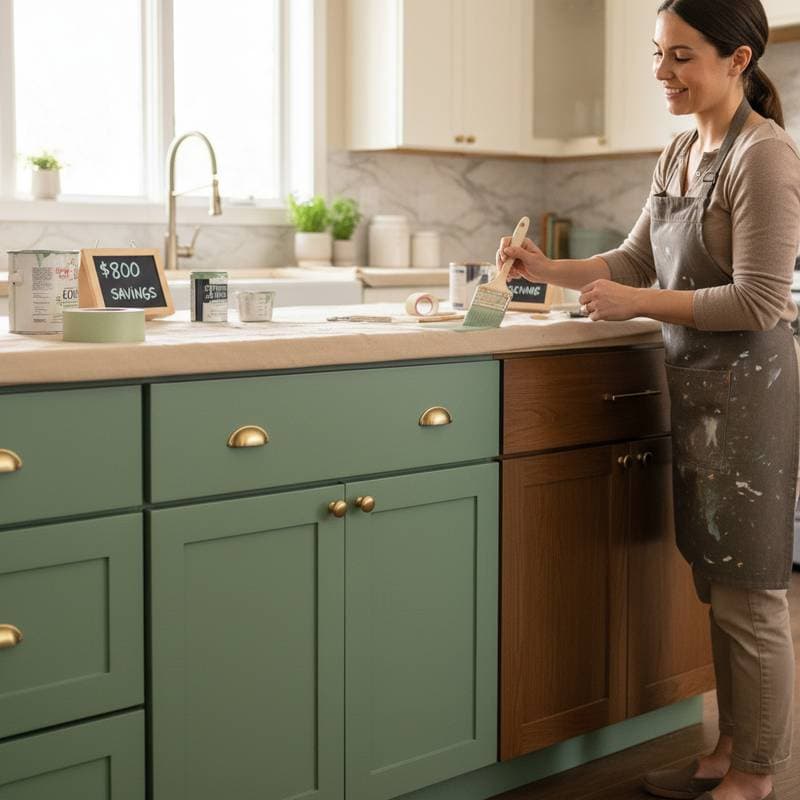
Professional cabinet repainting typically ranges from $2,000 to $5,000, based on kitchen dimensions and cabinet materials. A DIY chalk paint endeavor costs $150 to $600, covering paint, tools, and sealants. This savings of up to $800 positions chalk paint as a practical choice for impactful updates.
These figures assume cabinets in decent condition. Additional preparation elevates expenses modestly. The approach suits various skill levels, with clear steps ensuring success.
Cost Estimates by Kitchen Scale
- Small Kitchen (8-12 cabinets): $150 to $250
- Medium Kitchen (13-20 cabinets): $250 to $450
- Large Kitchen (21-30 cabinets or more): $450 to $600
Estimates encompass all essentials. Factor in $50 to $150 extra for sanding, priming, or repairs if surfaces show wear. Accurate assessment prevents surprises during the project.
Breakdown of Expenses per Cabinet
Projects average $10 to $20 per door and $5 to $10 per drawer front. Key components include:
- Paint: $40 to $100 for two quarts
- Brushes and Rollers: $20 to $50 for durable options
- Wax or Topcoat: $25 to $60 for protection
- Preparation Materials: $10 to $30 for cleaners and sandpaper
This distribution highlights where funds allocate most efficiently. Selecting quality items upfront minimizes reapplications.
Key Influences on Project Expenses
Multiple elements shape the total outlay for chalk paint applications. Awareness of these allows precise planning and cost control.
1. Cabinet Material and Condition
Solid wood accepts chalk paint seamlessly. Laminate or glossy finishes benefit from light sanding or bonding primer, adding minor costs. Repairs for damage or peeling increase preparation needs.
2. Paint Brand and Quality
Higher-end brands provide superior pigmentation and coverage, often requiring fewer coats. Budget options demand additional layers, extending both time and material use.
3. Finish and Sealing Choices
Wax creates a basic matte seal, while polyurethane offers enhanced durability in satin or semi-gloss. Selections balance cost with long-term performance.
4. Kitchen Dimensions and Design
Expansive layouts with extra faces, moldings, or details consume more paint and effort. Complex configurations extend painting duration, influencing overall investment.
5. Tools and Workspace Preparation
Acquire drop cloths, tape, or sawhorses as needed, budgeting $20 to $40. A ventilated, organized area promotes clean execution and professional outcomes.
Category-Specific Cost Details
| Component | Basic Range | Standard Range | Premium Range | Key Differences |
|---|---|---|---|---|
| Chalk Paint | $35 - $50 | $55 - $75 | $80 - $100 | Premium provides richer color and coverage |
| Brushes & Rollers | $20 - $30 | $35 - $45 | $50 - $60 | Quality tools ensure even application |
| Wax or Sealant | $25 - $40 | $45 - $55 | $60 - $70 | Advanced options withstand daily use |
| Prep Supplies | $10 - $20 | $25 - $30 | $30 - $40 | Covers essentials for surface readiness |
This table aids in selecting tiers aligned with goals. Basic setups suit simple refreshes, while premium enhances longevity.
Benefits and Long-Term Value
Chalk paint elevates kitchen aesthetics significantly. Though not a full remodel, it delivers strong returns through visual upgrades and fiscal prudence. For sellers, updated cabinets impress viewers without extensive spending.
Touch-ups prove straightforward; scratches blend with minimal effort, curbing future expenses. The matte texture conceals minor flaws effectively, preserving a contemporary vibe over time.
Strategies to Minimize Expenses
Implement these tactics for optimal results at reduced costs.
- Purchase paint in quarts to fit exact needs and prevent waste.
- Clean surfaces meticulously to limit coat requirements.
- Apply wax in thin layers for sufficient safeguarding.
- Perform preparations personally, including hardware removal and labeling.
- Proceed section by section to control drying and avoid rework.
These steps streamline the process. They foster efficiency without compromising quality.
Budgeting for Success
Measure cabinet surfaces by multiplying door and drawer dimensions, then sum totals. One quart of chalk paint covers approximately 150 square feet, or 10 to 12 doors. This calculation refines material quantities.
Draft a detailed budget incorporating materials, safety items, and a 10 percent reserve for contingencies. Such planning maintains control and sidesteps unplanned purchases.
When weighing DIY against professional services, consider time investment alongside savings. Professionals guarantee precision but at higher rates. DIY empowers customization and immediate gratification.
Comparing DIY and Professional Options
DIY chalk paint suits those with moderate skills and available weekends. It demands patience for even coats but yields substantial savings. Professionals excel in complex scenarios, ensuring flawless execution for premium kitchens.
Evaluate based on project scope and desired finish. For standard updates, DIY prevails in affordability and involvement.
Frequently Asked Questions
What Does a Chalk Paint Cabinet Project Typically Cost?
Homeowners invest $150 to $600 for DIY efforts. Variations stem from kitchen size, cabinet count, and brand selections.
Which Factors Most Affect Chalk Paint Expenses?
Material type, paint quality, preparation extent, and sealing approach dominate. Intricate designs or numerous surfaces amplify requirements.
How to Reduce Costs on Chalk Paint Projects?
Prioritize thorough cleaning, efficient paints, and self-managed prep. Seek bulk deals or seasonal promotions for supplies.
Is DIY Chalk Painting Suitable, or Should Professionals Handle It?
Most manage DIY with basic tools and care. Professionals add assurance for uniformity and endurance in upscale settings.
How to Account for Unforeseen Expenses?
Incorporate a 10 percent buffer for additional materials. Common overruns involve paint volume or prep adjustments.
When to Launch a Chalk Paint Project for Maximal Savings?
Choose mild seasons with low humidity for optimal drying. Off-peak periods bring supply discounts from retailers.