How Proper Caulking Prevents Expensive Painting Callbacks
A flawless paint job depends on more than color selection or application technique. The real difference often lies in the preparation steps completed before paint touches the surface. Caulking before painting ranks among the most overlooked yet critical tasks in surface preparation.
It prevents callbacks and repairs that reach 800 dollars or more. Homeowners seeking lasting results benefit from understanding the impact of proper caulking on both cost and quality.
The Role of Caulking in Surface Preparation
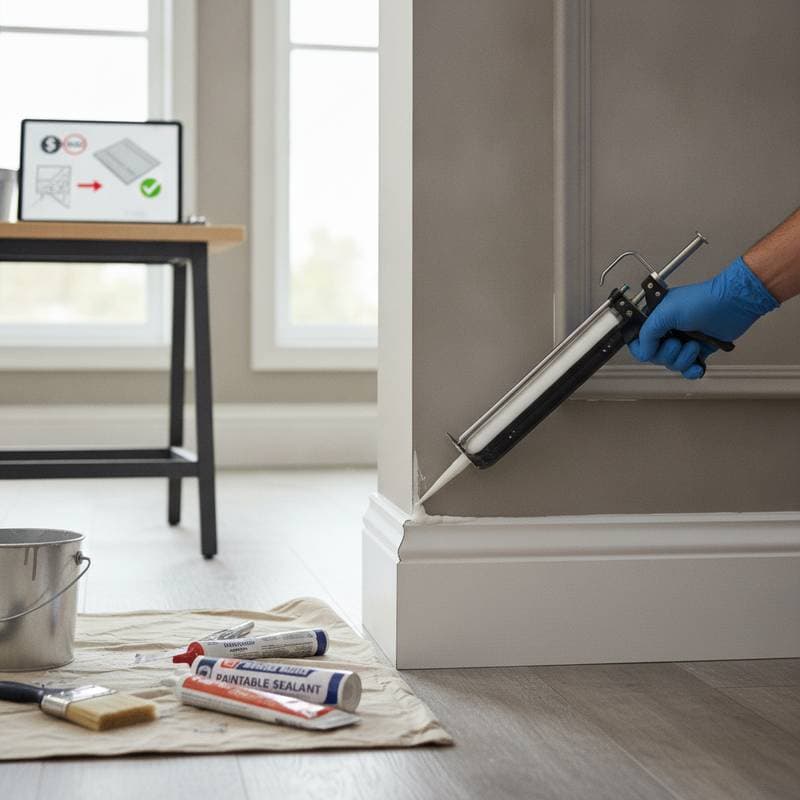
Caulking seals gaps, cracks, and joints around trim, baseboards, windows, and siding. Without this seal, moisture penetrates behind the paint. This penetration causes peeling, bubbling, or mildew growth over time.
These small issues grow into major repairs. Several tubes of quality caulk, each costing less than 10 dollars, protect against hundreds of dollars in damage and repainting labor.
Professional painters recognize that paint performance relies on the substrate. Paint adheres more effectively to sealed surfaces. Caulking creates smooth transitions and removes irregularities that cause uneven appearances.
Skipping caulking saves time at first but leads to callbacks that exceed initial savings in labor and materials.
Typical Cost Ranges for Preparation Work
Small rooms or trim projects range from 150 to 300 dollars. Medium interiors or exteriors fall between 400 and 700 dollars. Large or detailed homes require 800 to 1200 dollars.
These figures cover both labor and materials for professional preparation. The caulking portion represents only 5 to 10 percent of the total yet protects nearly all painted surfaces from early failure.
Cost per Linear Foot Breakdown
Professional caulking before painting averages between 0.50 and 1.50 dollars per linear foot. This price varies with location and surface complexity.
Materials account for 0.10 to 0.30 dollars per foot when using acrylic or silicone products. Labor adds 0.30 to 1.00 dollars per foot based on access and detail level. Surface preparation contributes another 0.10 to 0.20 dollars per foot for cleaning and priming.
These modest per foot expenses represent a sound investment compared with the cost of repairing water damaged drywall or repainting peeling trim.
Key Factors That Influence Total Cost
Surface condition affects pricing because old or cracked paint requires extra removal before caulk adheres. Type of caulk matters as well. Latex suits interior trim while silicone or polyurethane performs better on exterior joints exposed to weather.
Application complexity increases time on detailed trim or crown molding. Access and height add expense when ladders or scaffolding become necessary. Climate and humidity levels extend project duration when drying conditions slow curing.
Material Type Comparison
| Caulk Type | Basic Range | Standard Range | Premium Range | Key Differences |
|---|---|---|---|---|
| Acrylic Latex | 2 to 5 dollars per tube | 6 to 9 dollars per tube | 10 to 14 dollars per tube | Easy cleanup, suitable for interiors |
| Silicone | 5 to 8 dollars per tube | 9 to 12 dollars per tube | 13 to 17 dollars per tube | Strong flexibility and weather resistance |
| Polyurethane | 6 to 10 dollars per tube | 11 to 15 dollars per tube | 16 to 20 dollars per tube | Long lasting performance for exteriors |
Premium products cost more upfront yet reduce long term maintenance needs.
Practical Money Saving Approaches
Homeowners can clean surfaces and remove loose debris before crews arrive to shorten labor time. Requesting high quality caulk avoids future repairs even when the initial price is slightly higher. Scheduling during off peak seasons often yields better rates. Combining multiple rooms or exterior sections into one project spreads costs efficiently.
Budget Planning Steps
Include an extra 10 to 15 percent above the written estimate to cover repairs or additional materials. This cushion prevents surprises during the project. Mild dry seasons provide easier scheduling and stronger adhesion.
Professional application delivers consistent results that resist cracking and separation. Homeowners gain several extra years of paint life when preparation receives full attention.