Understanding the Biophilic Paint Trend
Homeowners increasingly seek ways to infuse natural serenity into their living spaces. Biophilic paint embodies this by incorporating colors, textures, and finishes drawn from the natural world. These elements create a sense of harmony, linking indoor environments to outdoor tranquility while elevating both aesthetic appeal and functional value.
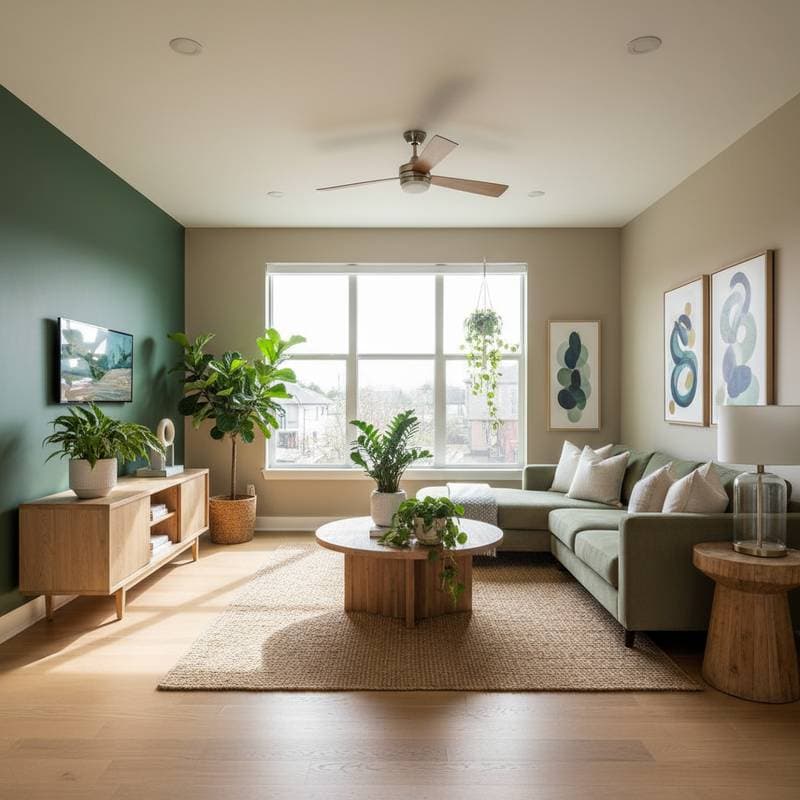
Such designs go beyond surface-level decoration. They influence emotional well-being and property perception among buyers and appraisers. For instance, selecting soft forest greens or warm terracotta tones can transform a room into a restorative retreat, directly contributing to higher home valuations.
Breaking Down Biophilic Paint Costs
Implementing biophilic paint typically costs between $3 and $8 per square foot. Most projects average $5 per square foot when using quality eco-friendly paints and hiring skilled professionals. This range accounts for materials, labor, and basic preparation to achieve a seamless, nature-inspired result.
Cost Estimates by Room Size
- Small room (100-150 sq. ft.): $300 to $750
- Medium room (200-300 sq. ft.): $600 to $1,500
- Large room (400-500 sq. ft.): $1,200 to $2,500
Per-Square-Foot Cost Components
- Materials: $1.50 to $3.50, covering low-VOC paints with natural pigments
- Labor: $1.50 to $4.00, for application and finishing by experts
- Preparation and repairs: $0.50 to $1.00, including cleaning and priming
- Design elements like textures: $1.00 to $2.50, for custom organic effects
These figures assume standard two-coat applications with paints that minimize environmental impact and support biophilic principles.
Key Factors Influencing Project Expenses
Budgeting for biophilic paint requires attention to several variables. Each can adjust the overall cost, so evaluating them early aids in precise planning.
Paint Type and Quality
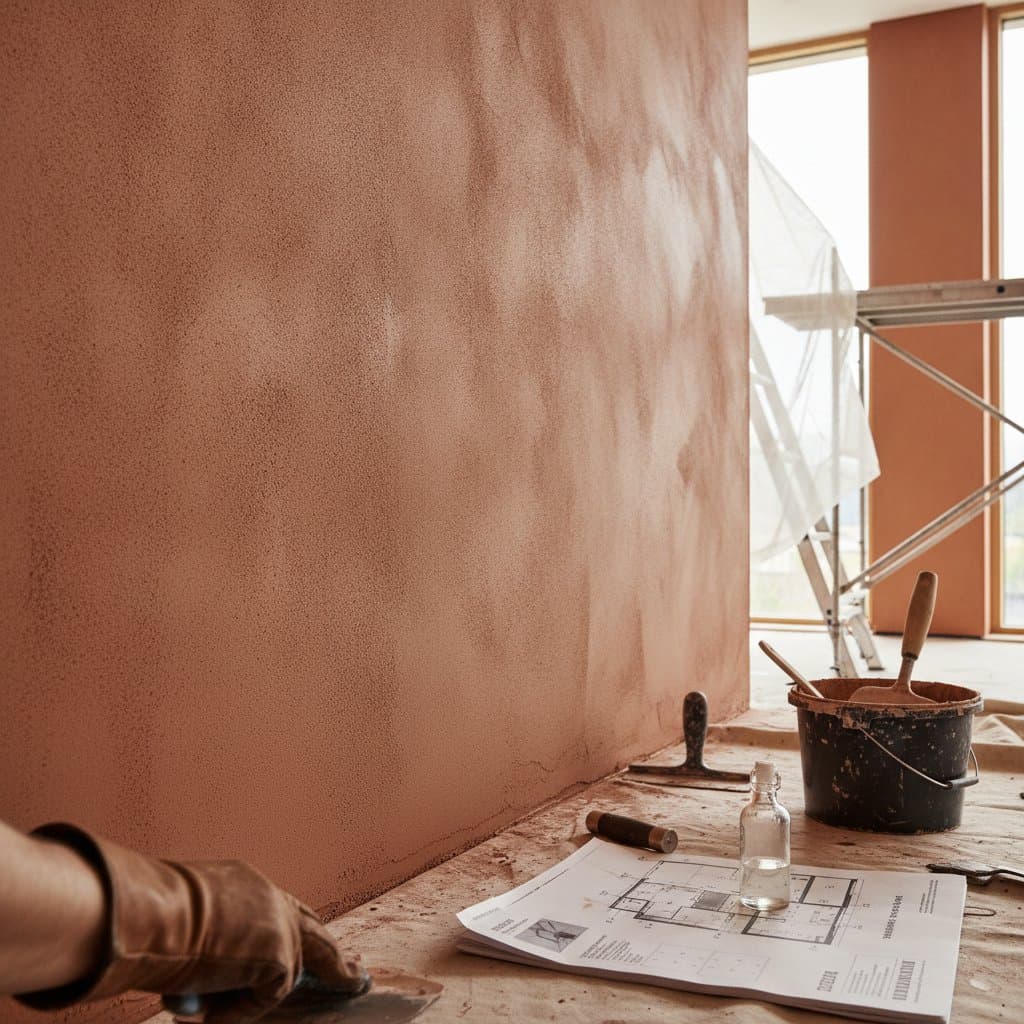
Paints derived from natural sources, such as clay or mineral bases, cost more than conventional alternatives. They deliver superior air purification and a subtle, earthy matte finish that aligns perfectly with biophilic goals.
Wall Condition and Prep Work
Surfaces needing extensive repairs, like patching cracks or addressing dampness, demand additional time and supplies. This step often raises expenses by 10 to 20 percent but ensures a durable, professional outcome.
Level of Design Detail
Basic color washes keep costs low, whereas intricate textures resembling bark or foliage involve multiple layers and expert techniques. These enhancements add depth but extend labor requirements.
Access and Location Challenges
Working in elevated or confined spaces, such as vaulted ceilings, necessitates scaffolding or lifts. Such conditions can increase fees by $200 to $500 for safety and efficiency.
Local Market Conditions
In bustling cities, higher demand for skilled labor and pricier materials drive up rates. Rural areas may offer more affordable options due to lower overhead.
Finish Options and Their Pricing
Biophilic finishes vary in complexity and price, allowing customization to fit different budgets. Each type emphasizes natural elements for authentic appeal.
| Finish Type | Basic Range | Standard Range | Premium Range | Notable Features |
|---|---|---|---|---|
| Natural Matte | $3 - $4 | $4 - $6 | $6 - $8 | Plant-based pigments for smooth, breathable surfaces |
| Textured Earth | $4 - $5 | $5 - $7 | $7 - $9 | Lime-infused layers adding subtle relief |
| Botanical Tint | $3 - $4 | $4 - $6 | $6 - $8 | Foliage-derived hues for vibrant yet soft tones |
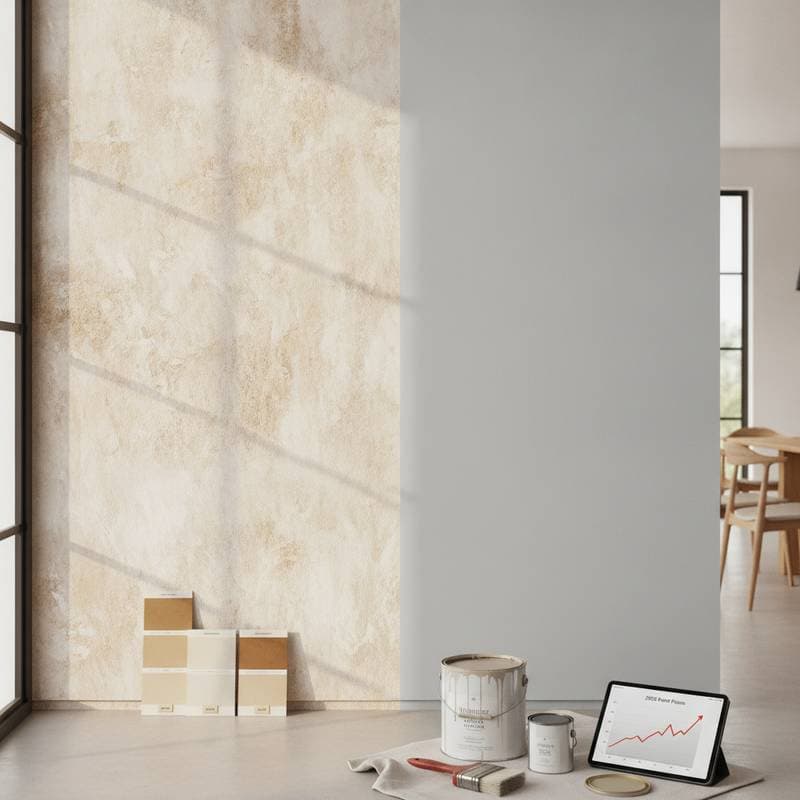
| Stone or Mineral Effect | $5 - $6 | $6 - $8 | $8 - $10 | Multi-step application for realistic stone textures |
Opt for premium options when seeking long-lasting, artisanal results that capture nature's variability.
Assessing Value and Return on Investment
Biophilic paint upgrades appeal to buyers prioritizing sustainability and health. Properties featuring these natural palettes often see appraisals rise due to enhanced livability and modern eco-credentials. A comprehensive repaint might recoup 50 to 70 percent of its investment through increased market value.
The benefits extend to everyday use. Low-emission paints improve indoor air while earthy tones promote relaxation and focus. This makes the project a worthwhile enhancement for long-term residents as well as sellers.
Practical Ways to Control Costs
Achieving biophilic results on a budget involves strategic choices. Focus efforts where impact matters most to maximize efficiency.
- Prioritize high-traffic areas like entryways or kitchens for immediate visual and emotional uplift.
- Opt for reliable mid-tier brands that balance eco-features with affordability.
- Tackle simple prep tasks, such as dusting or filling small holes, to cut professional hours.
- Book during quieter seasons, like late fall, when contractors discount services.
- Bundle multiple rooms into one job to streamline setup and reduce overhead per space.
These approaches maintain the trend's essence without unnecessary spending.
Steps for Effective Budget Planning
A solid plan covers all aspects of the project. Begin by estimating square footage and desired finishes to set a baseline.
Allocate 10 to 15 percent extra for surprises like hidden wall damage or color tweaks. Gather quotes from three or more painters, specifying biophilic materials and prep standards. Look for pros who understand color harmony and can advise on layouts that amplify natural light.
Clear contracts prevent overruns. They should detail timelines, warranties, and inclusions like trim work.
Common Questions About Biophilic Painting
What Does a Typical Project Cost?
Projects range from $3 to $8 per square foot. Higher-end natural paints and detailed textures push toward the upper limit, while simpler applications stay economical.
Which Elements Drive Up Expenses Most?
Paint quality, prep needs, regional labor, and custom designs top the list. Investing in eco-paints ensures health benefits that justify the premium.
How Can I Save Money While Keeping the Biophilic Feel?
Target essential rooms, choose versatile mid-range options, and prep basics in advance. Streamline designs to avoid elaborate effects.
Is Professional Help Essential?
Yes, for textured or layered work to guarantee even results and pigment accuracy. Experienced DIYers can manage flat colors with proper tools.
How Much Should I Reserve for Surprises?
A 10 to 15 percent buffer covers repairs or adjustments. Outline extras upfront to avoid mid-project hikes.
When Is the Ideal Time to Start?
Aim for temperate months to aid drying and secure off-season savings. Early planning locks in availability and rates.
Realizing Lasting Benefits from Your Update
Embracing biophilic paint creates more than a fresh look. It fosters a nurturing home that supports health and resale potential. By selecting thoughtful colors and finishes, homeowners invest in spaces that evolve with their needs, delivering enduring satisfaction and financial gains.