The Rise of Biophilic Paint in Real Estate
Homeowners now prioritize interiors that foster tranquility and a sense of nature. Biophilic paint colors address this demand by incorporating earthy tones and organic textures that mimic natural environments. These choices extend beyond visual appeal to support mental health, boost productivity, and elevate property values. In a market where buyers seek wellness-oriented features, biophilic design positions homes as desirable investments.
Grasping the financial aspects of biophilic paint enables informed renovation decisions. This approach balances initial costs with enduring advantages, from improved livability to stronger market positioning.
Key Factors Influencing Biophilic Paint Expenses
Multiple elements determine the overall cost of implementing biophilic paint. A clear understanding of these components allows for precise budgeting and cost management.
Paint Type and Composition
Eco-friendly paints derived from lime, clay, or plant resins offer breathable qualities that manage humidity and prevent mold growth. Although these natural alternatives exceed the price of conventional latex paints by 20 to 40 percent, they provide superior environmental benefits and longevity.
Color Complexity and Finish
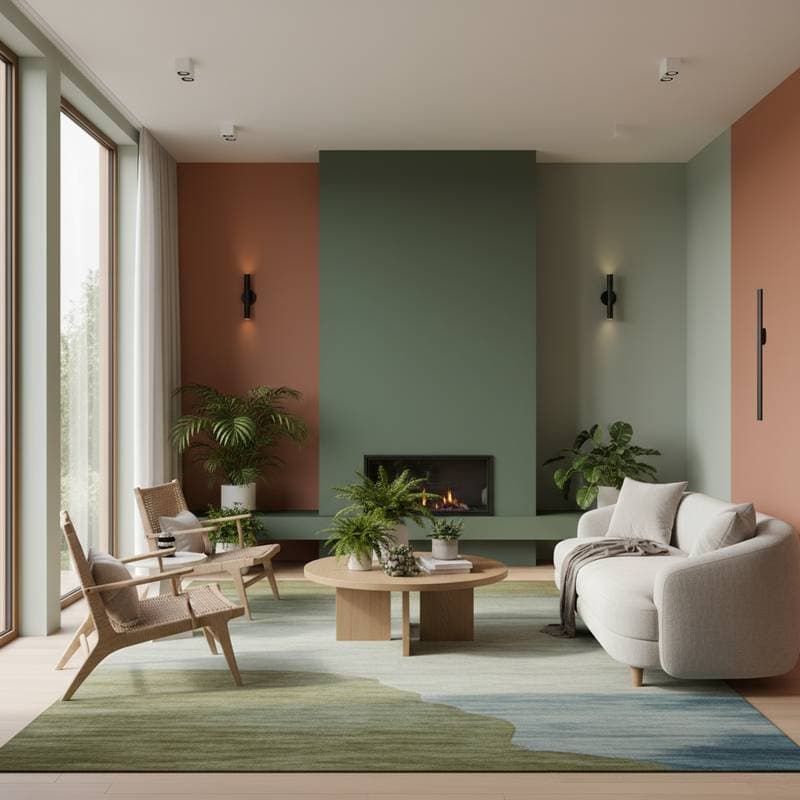
Biophilic schemes feature nuanced shades inspired by landscapes, such as soft greens or warm terracottas, often requiring multiple layers for depth. Matte options remain economical, whereas textured or bespoke mixes demand additional time and materials, elevating labor charges.
Preparation and Surface Condition
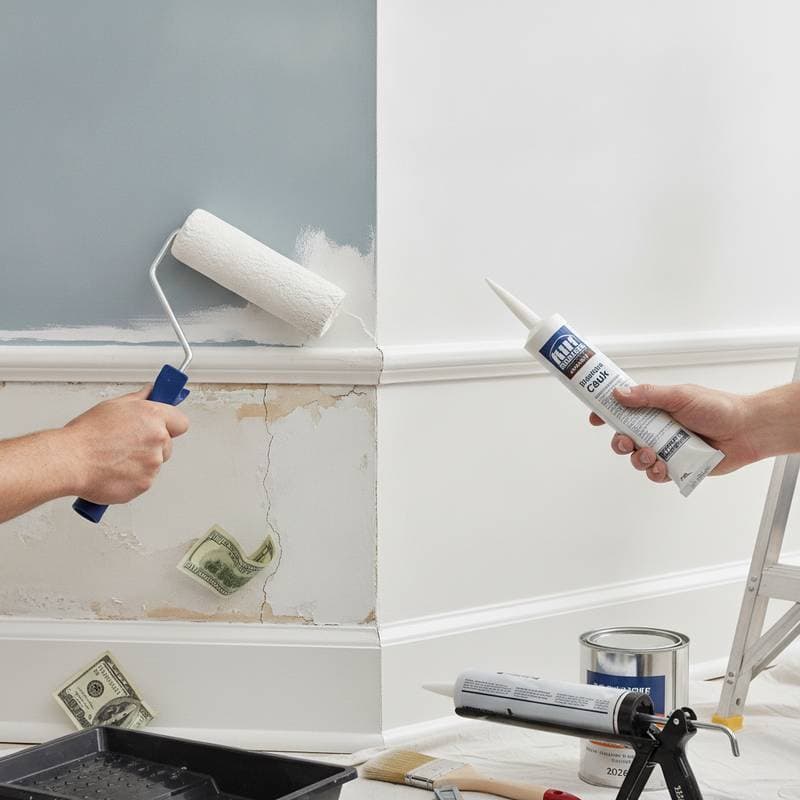
Surfaces in disrepair necessitate thorough sanding, priming, or repairs to ensure adhesion. In older structures, specialized sealers may be required, adding $1 to $3 per square foot based on the extent of preparation needed.
Labor Expertise
Painters experienced in natural applications or subtle blending command premium rates. Their precision guarantees uniform results, accurate hues, and finishes that withstand daily use, making the expenditure worthwhile.
Home Size and Layout
Expansive areas or multi-story configurations extend project duration. Elements like vaulted ceilings or intricate moldings further increase demands on time and resources.
Regional Price Variations
Differences in local wages, supply chains, and weather patterns impact totals. Areas with high humidity might require enhanced moisture barriers, raising material expenses.
Assessing Value and Return on Investment
Biophilic paint enhances personal well-being while strengthening a home's market position. Interiors with harmonious, nature-evoking palettes attract purchasers who favor sustainable and serene spaces.
The initial outlay surpasses standard painting, yet yields multifaceted returns:
- Elevated resale prices from eco-conscious elements and calming aesthetics
- Lower upkeep due to resistance against dampness and discoloration
- Health improvements via better air circulation and minimal volatile compounds
- Extended durability, as these coatings maintain vibrancy over time
In crowded housing markets, such designs differentiate properties, potentially adding $10,000 or more to appraised worth.
Strategies to Minimize Costs
Effective planning curbs expenses while preserving the essence of biophilic design. Targeted choices ensure high impact without excess spending.
- Implement changes in stages, focusing on high-traffic rooms first.
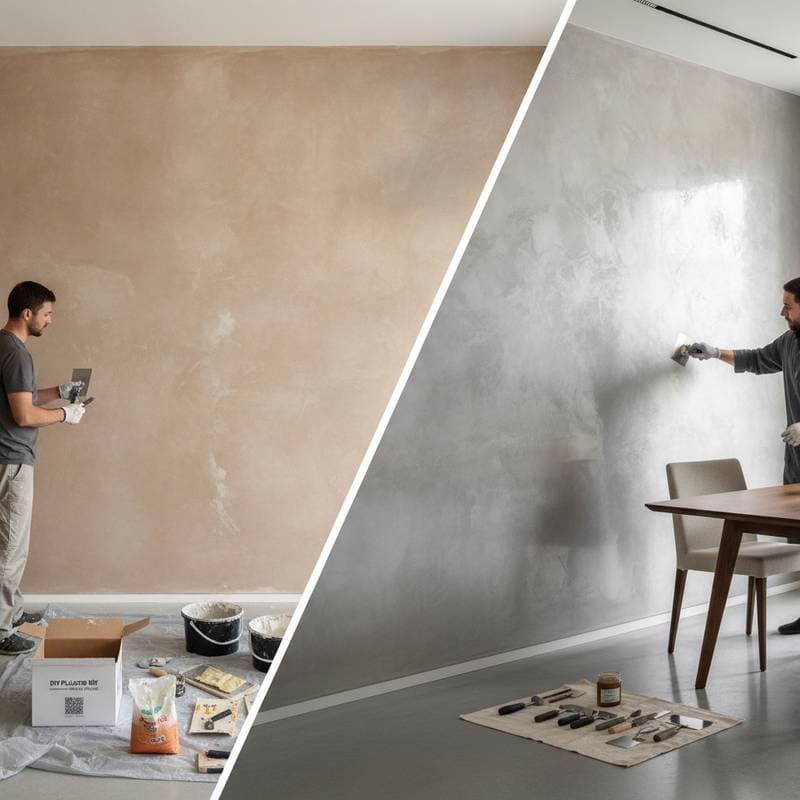
- Apply premium treatments to focal points, like feature walls in limewash, paired with basic paints in less prominent zones.
- Perform preliminary tasks such as dusting and masking to streamline professional efforts.
- Solicit bids from multiple contractors, confirming inclusion of sustainable supplies.
- Time projects for quieter seasons, when rates often decrease due to availability.
These tactics maintain quality and deliver the restorative qualities central to biophilic principles.
Developing a Solid Budget Plan
Effective budgeting starts with accurate assessments. Calculate square footage of surfaces and identify any required fixes or unique applications. Multiply by the anticipated rate per square foot to project totals.
Incorporate a 10 to 15 percent reserve for surprises, including additional layers or unforeseen patches. Review proposals to verify coverage of supplies, workmanship, and prep work.
For funding options, explore loans tailored to sustainable upgrades. These facilitate access to superior materials, yielding ongoing savings in maintenance and health.
Realizing the Full Potential of Biophilic Design
Selecting biophilic paint involves evaluating personal priorities alongside financial realities. Consult samples in natural light to confirm harmony with existing decor. Partner with knowledgeable professionals to translate visions into seamless executions.
This investment cultivates spaces that nurture daily life and appreciate over time. As real estate evolves toward holistic living, biophilic elements secure both immediate enjoyment and future gains.
Frequently Asked Questions
What is the typical cost range for a biophilic paint project?
Projects generally range from $3 to $8 per square foot, influenced by material selection, regional labor, and intricacy. For average homes, complete interiors fall between $4,000 and $6,500.
Which elements most significantly affect pricing?
Primary influencers include paint formulation, preparatory demands, and artisan proficiency. Organic compositions and specialty textures elevate costs through their specialized handling.
How can costs be reduced while retaining biophilic benefits?
Prioritize influential areas such as relaxation zones with advanced finishes. Reserve economical options for utility spaces and undertake simple prep tasks independently.
Is professional assistance preferable to a DIY approach?
While self-application cuts expenses, professional execution ensures flawless integration and endurance. Expertise in blending and ventilation proves essential for optimal outcomes.
How should unexpected costs be managed?
Build in a 10 to 15 percent allowance to address extras like supplemental applications or adjustments discovered mid-project.
When does scheduling a project yield the best savings?
Opt for off-season periods, such as fall or winter, to benefit from reduced rates and greater contractor flexibility.