Understanding the Importance of Proper Paint Preparation
Proper surface preparation forms the foundation of any successful painting project. Without it, paint may fail to adhere correctly, resulting in peeling, cracking, or bubbling that demands immediate correction. These issues not only compromise aesthetics but also escalate costs; a single overlooked step can lead to repainting expenses exceeding $800 for an average room.
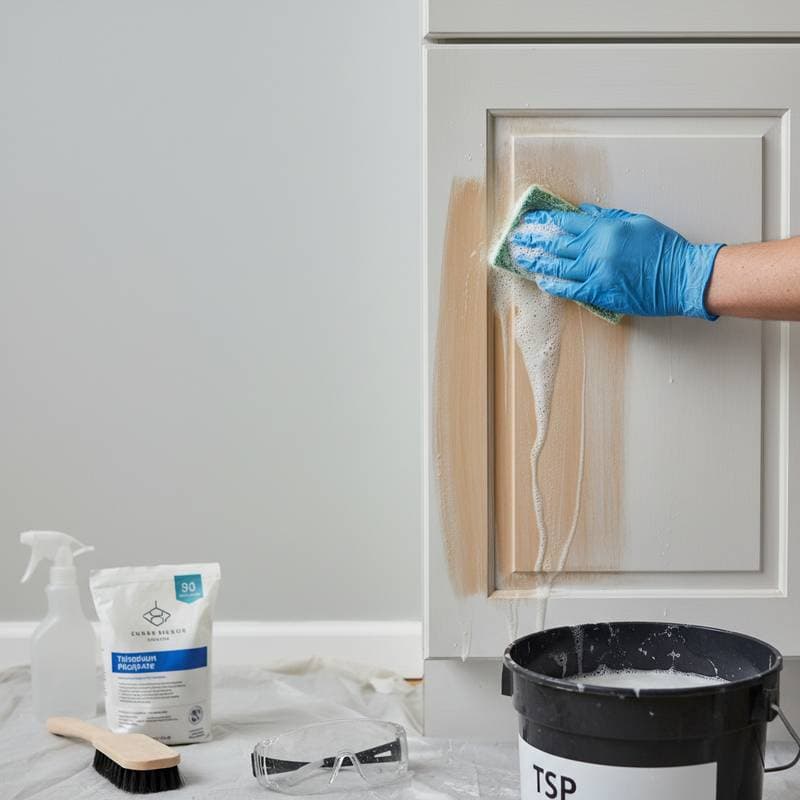
Trisodium phosphate, commonly known as TSP, serves as a powerful cleaning agent that removes contaminants such as grease, grime, and gloss from surfaces. This process ensures that subsequent layers of primer and paint bond effectively for a durable finish. Professionals recommend TSP for its versatility and efficiency in both interior and exterior applications.
Investing time in TSP cleaning pays dividends through enhanced longevity and visual appeal. Homeowners and contractors alike benefit from reduced maintenance and fewer touch-ups over time. The following sections outline practical methods to incorporate TSP into your routine.
Step-by-Step Guide to TSP Surface Cleaning
TSP cleaning suits a variety of projects, from walls and cabinets to furniture and exteriors. Follow these steps to achieve a clean, paint-ready surface without complications.
-
Prepare the Workspace: Lay drop cloths over floors and adjacent surfaces to shield them from splashes. TSP possesses strong degreasing properties that can etch or dull unprotected finishes, so cover items thoroughly.
-
Prepare the Solution: Consult the product label for precise ratios, typically one tablespoon of TSP per gallon of warm water for moderate cleaning tasks. Stir until fully dissolved to maximize effectiveness.
-
Apply the Solution: Soak a sponge or soft cloth in the mixture, then wring it out to avoid excess dripping. Work in manageable sections, applying gentle pressure to lift embedded dirt and oils.
-
Rinse Promptly: Fill a separate bucket with clean water and use a fresh cloth or sponge to wipe away all traces of the TSP solution. Residue left behind can interfere with paint adhesion, so thorough rinsing proves essential.
-
Dry Completely: Allow the surface to air dry for several hours, or pat it gently with a lint-free towel to speed the process. Ensure no moisture remains, as dampness can promote mold or weaken paint bonds.
-
Inspect the Surface: Glide your hand across the area; it should feel smooth and slightly tacky, indicating successful deglossing. If glossy patches persist, repeat the cleaning in those spots.
For optimal results, proceed from higher to lower areas. This approach captures any drips on lower sections, maintaining cleanliness throughout the process.
Ideal Applications for TSP Cleaning
TSP excels in scenarios where surfaces require deep cleaning before painting. Its ability to break down stubborn residues makes it indispensable for high-traffic or exposed areas.
-
Kitchens and Bathrooms: These spaces accumulate grease, soap scum, and humidity-related buildup. TSP effectively strips these layers, preparing tiles, countertops, and fixtures for fresh coats.
-
Cabinets and Trim: Varnished or oil-based finishes often resist new paint without deglossing. A TSP wash removes shine and contaminants, often eliminating the need for extensive sanding.
-
Furniture Restoration: Older pieces with multiple finish layers benefit from TSP's penetrating action. It reveals a neutral base ready for refinishing, preserving the item's structural integrity.
-
Exterior Surfaces: Outdoor elements like pollen, mildew, and pollution form a film on siding and trim. TSP cuts through these without harsh abrasives, facilitating weather-resistant paint application.
In cases of glossy latex paint, TSP provides a sanding alternative that minimizes dust and labor. This efficiency suits DIY enthusiasts and professionals seeking streamlined workflows.
Professional Insights for TSP Success
Experienced painters share techniques honed from diverse projects, ensuring flawless outcomes with minimal effort. These strategies address common pitfalls and enhance precision.
-
Perform a Light Inspection: Post-cleaning, direct a flashlight at an angle across the surface. Lingering shine signals incomplete deglossing; target those areas with additional solution.
-
Organize Your Tools: Clearly mark buckets—one for the TSP mixture and one for rinse water—to prevent cross-contamination. This simple habit maintains solution potency.
-
Refresh Water Frequently: As rinsing progresses, swap out soiled water to avoid reapplying dirt. Clean tools contribute to a residue-free finish.
-
Team Up for Efficiency: Assign one person to apply the cleaner while another follows with rinsing. This tandem method accelerates the process and reduces errors.
-
Adapt Tools for Reach: Employ a pole-equipped mop or extension for ceilings and high walls. Consistent pressure ensures uniform cleaning without physical strain.
Safety remains paramount; wear gloves, ventilate the area, and follow disposal guidelines for TSP wastewater. These precautions protect health and the environment while delivering pro-level results.
Achieving Lasting Results Through Thorough Preparation
A well-prepped surface translates to paint that withstands daily wear and environmental factors. TSP cleaning minimizes issues like chipping or fading, extending the lifespan of your finish by years.
Routine maintenance simplifies with properly adhered paint, as dirt and stains wipe away easily. When future updates arise, revisit TSP for consistent performance. This cycle reinforces the value of foundational care.
Effective painting prioritizes preparation over expenditure. From full-room overhauls to targeted furniture updates, TSP safeguards your investment against premature failure. Countless transformations attest to its reliability, yielding spaces that endure and impress over time.
Embrace diligent prep to sidestep regrets. The modest effort of TSP application averts substantial costs and delivers satisfaction with every use of the refreshed area.