Why Skipping Sanding Can Add $1,500 to Your Repaint Costs
A new layer of paint holds the power to refresh and revitalize any living space. Yet, neglecting essential preparation work transforms this simple upgrade into a financial burden. Homeowners frequently bypass sanding prior to painting in pursuit of efficiency, unaware that this decision inflates the total project expense by approximately $1,500. Grasping the critical role of sanding empowers individuals to choose preparation methods that yield cost-effective, high-quality outcomes.
The Essential Role of Sanding in Paint Application
Sanding serves a purpose beyond mere surface smoothing. It generates a subtly roughened profile that facilitates robust adhesion for subsequent paint layers. Absent this preparation, fresh paint encounters difficulty in gripping the underlying surface, resulting in problems such as peeling, blistering, or irregular application. Glossy residues from prior coats or embedded imperfections demand removal through sanding to eliminate barriers to bonding.
This process not only clears away contaminants but also levels out irregularities for uniform primer and paint distribution. Consequently, the finish achieves greater durability. When painters encounter adhesion shortcomings due to omitted sanding, corrective measures escalate in complexity and price, far surpassing the modest investment in initial preparation.
Detailed Project Cost Analysis
Typical Pricing for Repainting Services
- Standard repaint with thorough sanding: $2,000 to $3,500
- Repaint omitting sanding, plus subsequent fixes: $3,500 to $5,000
- High-end repaint with complete surface renewal: $5,000 to $7,000
Core Components of a Complete Repaint
- Detailed cleaning of all surfaces
- Systematic sanding and refinement of walls, trim, and doors
- Even application of primer followed by two topcoats
- Final cleanup, quality checks, and minor adjustments
Additional Expenses from Inadequate Preparation
- Removal or chemical stripping of compromised paint layers
- Drywall patching and crack repairs stemming from failed adhesion
- Reapplication of paint over areas with deficient bonding
- Investment in advanced primers and superior paint formulations
Key Influences on Overall Expenses
| Factor | Impact on Cost | Specific Instances |
|---|---|---|
| Condition of existing surface | Increases preparation duration | Presence of glossy or deteriorating paint |
| Selection of paint materials | Moderate elevation | Premium options that highlight flaws |
| Demands on labor resources | Substantial rise | Requirements for additional sanding or scraping |
| Extent of necessary repairs | Primary driver | Issues like peeling, bubbling, or fractures |
Omission of sanding frequently doubles the time allocated to preparation in a follow-up repaint. Professionals then dedicate efforts to detaching loose material, re-priming, and overhauling non-adherent zones. Such interventions prove considerably more burdensome than proactive sanding at the outset.
The Hidden Costs of Neglecting Sanding
Improper adhesion accelerates the degradation of paint applications. Signs of distress, including peeling or blistering, emerge within mere months of completion. Remediation involves meticulous scraping, renewed sanding, priming, and full repainting of impacted regions. Labor constitutes the bulk of these unforeseen charges, as experts revisit expansive areas that might have endured for years with adequate groundwork.
Beyond direct repair outlays, paint mishaps generate indirect burdens. Protective measures for furnishings and floors intensify during corrective work, while daily disruptions persist as spaces undergo repeated treatment. What begins as a minor efficiency choice snowballs into substantial fiscal and logistical challenges.
Contrasting Professional and DIY Sanding Approaches
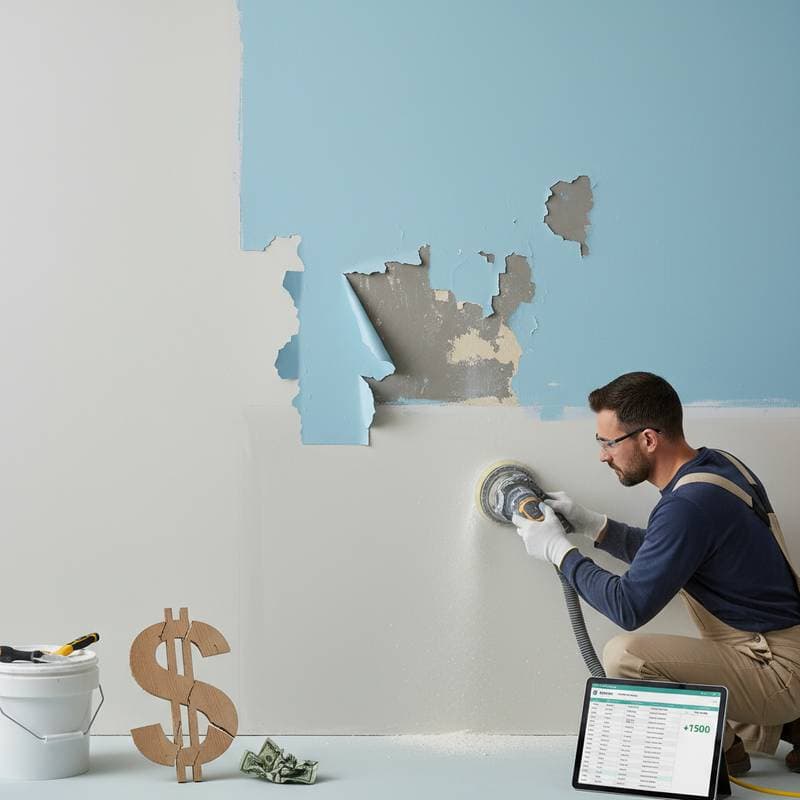
Ambitious homeowners sometimes forgo sanding in do-it-yourself endeavors to expedite progress. While minor spot treatments might suffice without abrasion, comprehensive interior or exterior repaints invariably require some degree of surface scuffing. Trained painters employ precision equipment, such as orbital sanders equipped with dust containment, to execute the task swiftly and without residue.
In comparison, amateur efforts with standard sandpaper yield inconsistent textures or overlook vital spots, manifesting as defects post-painting. Experts excel in preliminary evaluations, discerning whether gentle sanding meets needs or if intensive work proves essential. This expertise minimizes redundant labor and secures outcomes that withstand time.
Step-by-Step Guide to Proper Surface Preparation
Effective preparation begins with a thorough inspection of all targeted areas. Identify glossy sections, loose paint, or textural anomalies by passing a hand over the surface and examining under bright light. Gather appropriate tools, including medium-grit sandpaper (around 150-220 grit) for initial smoothing and finer options (320 grit) for finishing touches.
Start sanding in circular motions to avoid directional scratches, focusing on high-traffic zones like doors and trim first. Employ a shop vacuum or tack cloth to capture dust immediately, preventing airborne particles from resettling. After sanding, wipe surfaces with a damp cloth to remove residues, allowing full drying before primer application. This methodical routine ensures optimal conditions for paint longevity.
Strategic Planning for Your Painting Project
Outline your project timeline early, allocating specific days for preparation, painting, and drying intervals. Budget for quality materials, factoring in the square footage of surfaces to estimate sandpaper and primer quantities accurately. Consult local professionals for quotes if uncertainties arise, comparing bids that detail preparation inclusions.
Consider seasonal factors, such as humidity levels that affect sanding efficacy and paint curing. Schedule work during moderate weather to facilitate ventilation and dust management. Document progress with photos to track improvements and address issues promptly. Thoughtful planning transforms potential pitfalls into seamless executions.
Common Questions About Sanding and Painting Preparation
Why Does Omitting Sanding So Dramatically Raise Repaint Expenses?
Poor adhesion from unsanded surfaces prompts peeling and structural failure. Corrective actions, encompassing scraping, mending, and reapplication, accumulate roughly $1,500 in added labor and supplies.
How Much Time Does Sanding Require Prior to Painting?
In a typical room, sanding extends preparation by about one full day. Expansive or compromised zones extend this duration, yet the upfront commitment averts extensive future overhauls.
Is a Liquid Deglosser a Viable Alternative to Sanding?
Deglossers effectively matte glossy finishes, but they fail to eradicate flaws or even out roughness. Combining with light sanding yields superior adhesion and resilience.
How Can One Determine If Sanding Is Necessary?
Feel the surface for slickness, irregularities, or signs of detachment. Visible bubbling or flaking confirms the need for sanding before new paint application.
What Occurs If Peeling Develops Soon After Repainting?
Early peeling indicates insufficient sanding or priming. Prompt intervention through scraping, sanding, and repainting of affected parts is essential to contain escalating costs.
How Do Professionals Guarantee Effective Sanding?
They select sandpapers by grit level, utilize powered tools, and incorporate dust mitigation. Pre-paint inspections under optimal illumination verify readiness for primer and topcoats.
Achieving Lasting Value Through Meticulous Preparation
Investing in sanding unlocks the full potential of any repaint, blending aesthetic appeal with practical endurance. Homeowners who prioritize this step enjoy finishes that resist wear, minimizing maintenance needs over time. By embracing professional standards from the start, projects conclude with satisfaction and savings, proving that quality preparation pays dividends in both appearance and economy.