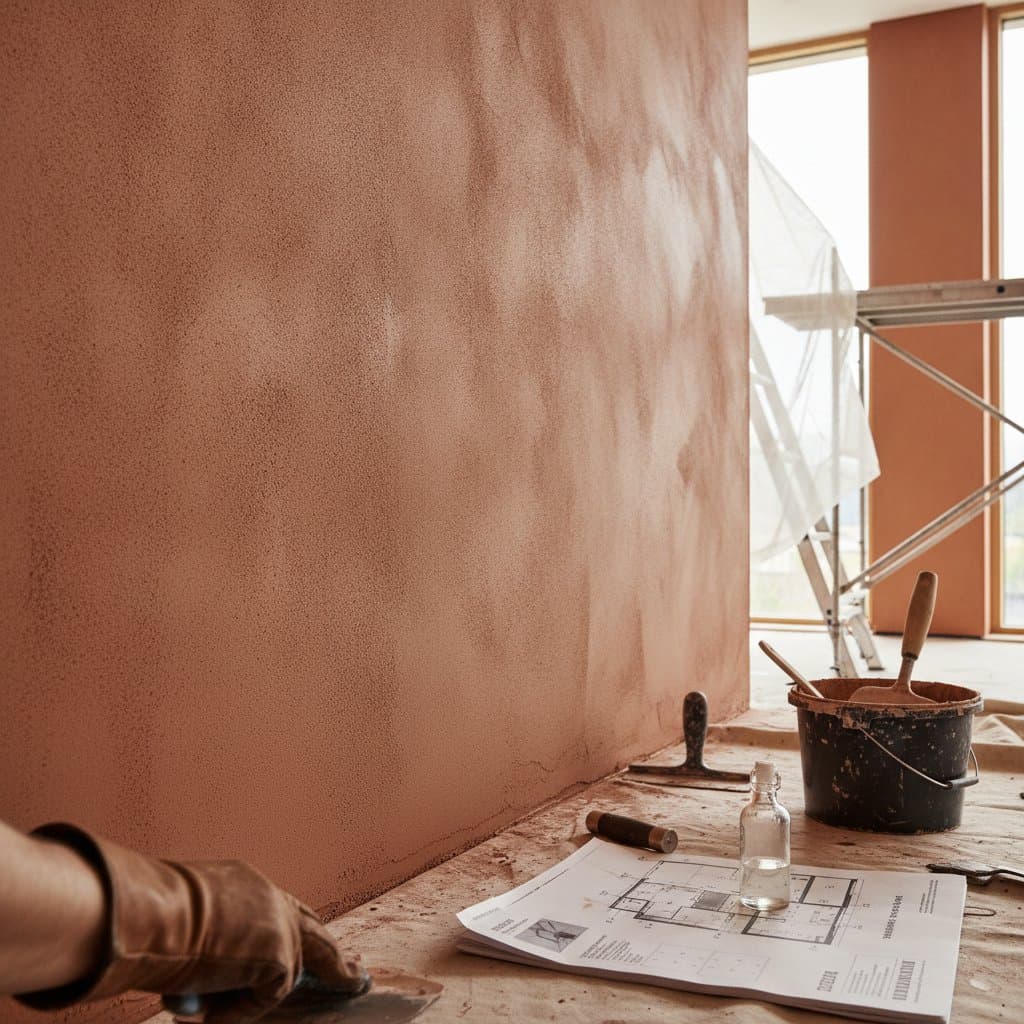
The Critical Role of Sanding in High-End Paint Jobs
Professional painters often present estimates that reach several thousand dollars, prompting clients to question the value. A $3,000 paint job involves far more than premium materials and skilled application. The foundation lies in surface preparation, where sanding serves as the key element distinguishing a durable, professional result from one that fails prematurely through peeling, bubbling, or cracking. This process safeguards the investment by ensuring the paint adheres securely and maintains its appearance over time.
Surface Preparation Fundamentals
Sanding lacks visual appeal, yet it forms the core of effective paint preparation. The process generates a subtle texture at the microscopic level, allowing paint to bond firmly. Without this preparation, paint rests precariously on the surface, vulnerable to environmental factors such as moisture or temperature fluctuations.
Failures in paint adhesion stem primarily from inadequate surface conditions rather than product quality. Glossy surfaces, remnants of prior finishes, or accumulated residues hinder proper bonding. Sanding addresses these issues by abrading the surface, creating an even profile that promotes a strong connection between primer, paint, and substrate. This preparation provides the mechanical anchors necessary for longevity.
Case Studies of Sanding Oversights
In one residential project, homeowners invested heavily in a sophisticated navy finish for kitchen cabinets, complete with premium paint and bespoke hardware. The applicator neglected sanding between coats, leading to adhesion problems. Within weeks, doors adhered upon closing and edges began to peel with each use, resulting in progressive damage. Repairs ultimately cost nearly half the initial expenditure, leaving the clients disillusioned.
A commercial office rebranding illustrated similar consequences. Contractors applied new paint directly over existing glossy enamel doors without surface abrasion or deglossing. The finish proved fragile; fingerprints penetrated the layer, and routine cleaning removed sections entirely. The rushed approach necessitated a full repaint, incurring significant business disruption and expenses that exceeded the original budget.
Benefits of Sanding for Investment Protection
For projects at the $3,000 level, sanding represents an economical measure to prolong finish durability. Dedicated preparation time can add years to the surface's lifespan. Consider these specific advantages:
- Enhances Adhesion: Produces fine scratches that secure primer and paint layers.
- Eliminates Contaminants: Removes dust, oils, and residues that impede bonding.
- Corrects Surface Flaws: Evens out irregularities and prior application marks for a uniform appearance.
- Mitigates Peeling and Cracking: Minimizes stress at layer interfaces.
- Elevates Overall Finish: Allows colors to appear more vibrant and surfaces to reflect light evenly.
Projects achieve superior outcomes through this step, yielding results that endure daily use.
Sanding Strategies by Budget
Effective surface preparation adapts to varying financial scopes, from basic touch-ups to comprehensive overhauls. Sanding integrates seamlessly into any plan.
Entry-Level Budget (DIY or Minor Updates): Employ sanding sponges or 220-grit paper on glossy spots and edges. Follow with a tack cloth to capture debris. This minimal outlay prevents future rework expenses.
Intermediate Budget (Selective Refinishing or Feature Walls): Integrate hand sanding with an orbital sander for efficiency on broader areas. Apply liquid deglosser to challenging elements like cabinets. Dedicate effort to blending repaired sections with existing surfaces.
Premium Budget ($3,000 and Above): Professionals utilize powered sanders with progressive grit sequences, incorporating thorough inter-grit cleaning. Vacuum systems manage dust effectively, preparing the surface optimally for primer application. Such precision guarantees uniform bonding and resistance to premature degradation.
Omitting sanding at any level invites amplified costs down the line.
Scientific Principles of Adhesion
Paint application involves chemical interactions, including mechanical interlocking and molecular adhesion. Glossy or smooth substrates limit these processes by reducing contact points. Sanding introduces controlled roughness, expanding the effective surface area for paint to engage.
Experienced applicators select grit sizes aligned with the coating system. Medium grits suit initial primer stages, while finer options prepare for topcoats. Excessive coarseness risks visible scoring; insufficient abrasion leaves the surface too slick. Mastering this equilibrium demands expertise beyond basic application techniques.
Verifying Sanding Effectiveness
To confirm preparation quality, perform a tactile assessment post-sanding and cleaning. The surface should feel uniformly smooth yet slightly textured, akin to an eggshell's subtle grain. Apply a test patch of primer, allow it to cure, then attempt removal with adhesive tape. Secure retention indicates reliable adhesion; easy detachment signals the need for additional work.
This straightforward evaluation prevents widespread issues and underscores the value of meticulous prep.
Sanding Between Coats for Optimal Results
Sanding remains relevant throughout the application process. A light abrasion between layers removes minor imperfections, dust, or raised fibers, fostering interlayer compatibility. For elements like cabinets or trim, this refines the grain elevated by initial coats, achieving a refined tactile quality.
On wall surfaces, employ a pole sander with 220-grit paper prior to subsequent applications to eliminate roller stipple. These adjustments enhance light diffusion and color uniformity, elevating the final aesthetic.
Debunking Sanding Misconceptions
Misconception: Advanced Formulations Adhere Without Preparation. High-performance paints still require abraded, clean surfaces to realize their potential. Claims of universal adhesion overlook the role of substrate conditions.
Practical Recommendations for Execution
- Conduct thorough cleaning before and after abrasion to avoid residue interference.
- Apply even, moderate pressure, relying on the abrasive material's properties.
- Discard dulled sandpaper promptly to maintain scuffing efficacy.
- Employ vacuuming followed by wiping to ensure a pristine state prior to priming.
- Trial abrasion on inconspicuous areas when dealing with delicate substrates.
Achieving Enduring Aesthetic Appeal
A well-prepared painted surface withstands routine handling while preserving its visual integrity. From modest updates to extensive transformations, sanding underpins this reliability. The even sheen and tactile smoothness that result reflect the commitment to quality preparation.
Across diverse applications, from commercial spaces to residential interiors, consistent preparation yields exceptional outcomes. Prioritize surface readiness to secure a finish that endures with elegance and resilience.