Sanded vs Level 5: Why Pay $800 for Perfect Walls
When drywall installation concludes, the chosen finish grade dictates the smoothness and uniformity of the walls after painting. Homeowners frequently encounter references to a sanded finish or a Level 5 finish, yet the distinctions between these options remain unclear to many. These differences influence not only aesthetic appeal but also paint adhesion, light reflection, and overall satisfaction with the interior environment.
Cost Overview
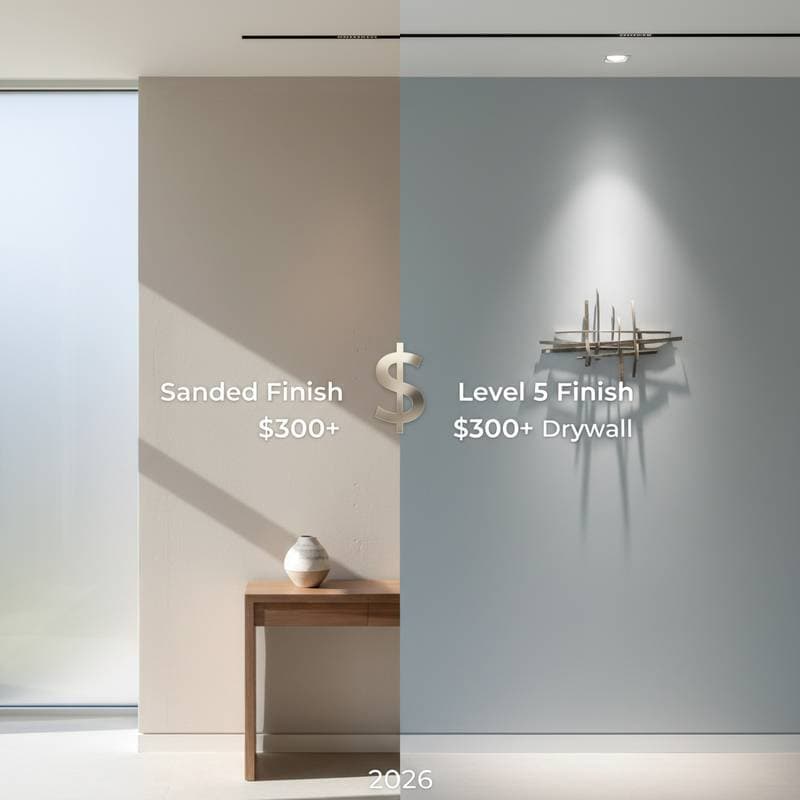
A sanded finish, classified as Level 4, generally costs between $1.50 and $2.50 per square foot. In contrast, a Level 5 finish ranges from $2.80 to $4.00 per square foot. For a typical 400-square-foot room, this translates to approximately $500 for the sanded option and $800 for Level 5. The premium accounts for specialized materials, extended labor hours, and meticulous techniques that yield a surface free of imperfections under scrutiny.
What a Sanded Finish Includes
The sanded finish entails applying joint compound over seams, fastener indentations, and interior angles, followed by sanding to create a level plane. Once primed and painted, this approach yields acceptable results in standard home settings. It proves suitable for:
- Bedrooms and corridors with subdued illumination
- Surfaces finished in flat or eggshell sheens
- Projects prioritizing affordability over absolute perfection
This method delivers a competent result, though subtle ridges or variations may emerge under intense illumination or with reflective coatings.
What a Level 5 Finish Delivers
Building on the sanded foundation, a Level 5 finish incorporates a final skim coat of joint compound over the entire wall area. This process eradicates any perceptible boundaries between panels and joints, fostering an impeccably even texture. Such finishes excel in:
- Expansive spaces exposed to ambient or focused light sources
- Areas coated in satin, semi-gloss, or gloss formulations
- Contemporary interiors highlighting sleek, luminous planes
The added procedure demands skilled execution and prolonged curing periods, justifying the elevated expense through superior durability and visual consistency.
Cost Breakdown per Square Foot
| Finish Type | Material Cost | Labor Cost | Total Cost Range | Ideal Use |
|---|---|---|---|---|
| Sanded Finish | $0.50 - $0.80 | $1.00 - $1.70 | $1.50 - $2.50 | Standard residential walls |
| Level 5 Finish | $0.80 - $1.20 | $2.00 - $2.80 | $2.80 - $4.00 | High-visibility or glossy surfaces |
Factors Affecting Cost
Several variables influence the final price of drywall finishing. Room dimensions play a primary role; larger areas amplify material and labor demands. Accessibility challenges, such as tight corners or high ceilings, extend working time and require specialized equipment. Regional labor rates vary, with urban markets commanding higher fees due to demand and overhead. Material quality also impacts expenses—premium compounds resist cracking better but cost more. Finally, project scope matters: combining finishing with painting or repairs can streamline costs through bundled services.
Value Considerations
Assessing the return on a Level 5 investment hinges on specific room functions and design goals. In kitchens or bathrooms prone to moisture and scrutiny, the skim coat enhances longevity by minimizing paint peel and joint visibility. For home offices or media rooms with overhead lighting, it prevents distracting shadows that could detract from focus. Conversely, in guest rooms with soft diffuse light and matte paints, a sanded finish suffices without noticeable compromise. Weigh these elements against long-term resale value; flawless walls often elevate property appeal in competitive markets.
Planning Your Budget
To allocate funds effectively, start by measuring wall surfaces accurately, excluding windows and doors, to estimate square footage. Consult contractors for site-specific quotes, specifying desired finish levels per room. Prioritize Level 5 in high-traffic or showcase zones while opting for sanded elsewhere to balance quality and expense. Explore financing options like progress payments to manage cash flow. Schedule during off-peak seasons for potential discounts, ensuring the timeline aligns with overall renovation phases.
Frequently Asked Questions
What is the main difference between sanded and Level 5 finishes?
A sanded finish focuses on smoothing joints and seams, whereas a Level 5 finish applies an additional skim coat over the full surface to ensure uniformity.
Why does a Level 5 finish cost more?
The process involves extra labor, materials, and expertise to distribute the skim coat flawlessly, thereby raising the overall price.
Is a Level 5 finish worth it for every room?
It benefits spaces with intense lighting or glossy paints; in dimly lit areas, a sanded finish performs adequately.
How can I reduce costs for a Level 5 finish?
Limit application to accent walls or primary gathering spaces, reserving sanded finishes for secondary areas.
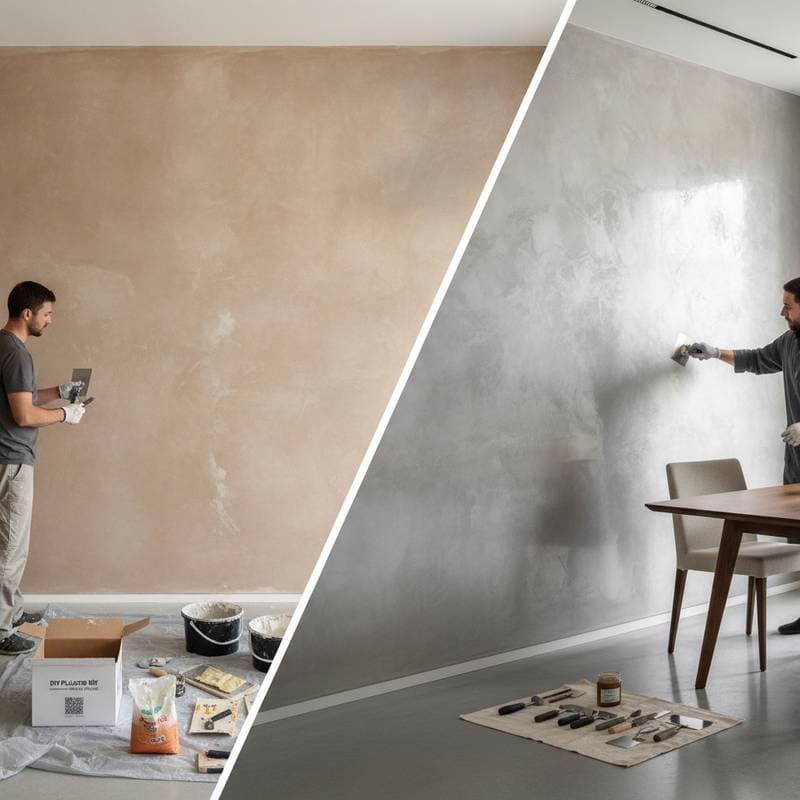
Can I achieve a Level 5 finish with DIY methods?
Attempting it independently risks uneven application and streaks; professionals guarantee optimal results.
When is the best time to schedule drywall finishing?
Coordinate after structural framing, insulation, and electrical rough-ins to maintain clean working conditions.
Select the Right Finish for Lasting Results
Choosing between a sanded and Level 5 drywall finish shapes the enduring quality of your home's interiors. By evaluating lighting conditions, paint types, and budget constraints, you secure walls that enhance daily living and withstand time. Professional guidance ensures execution matches your vision, delivering spaces that feel refined and inviting.