How Smart Paint Calculators Reduce Waste by 30 Percent by 2026
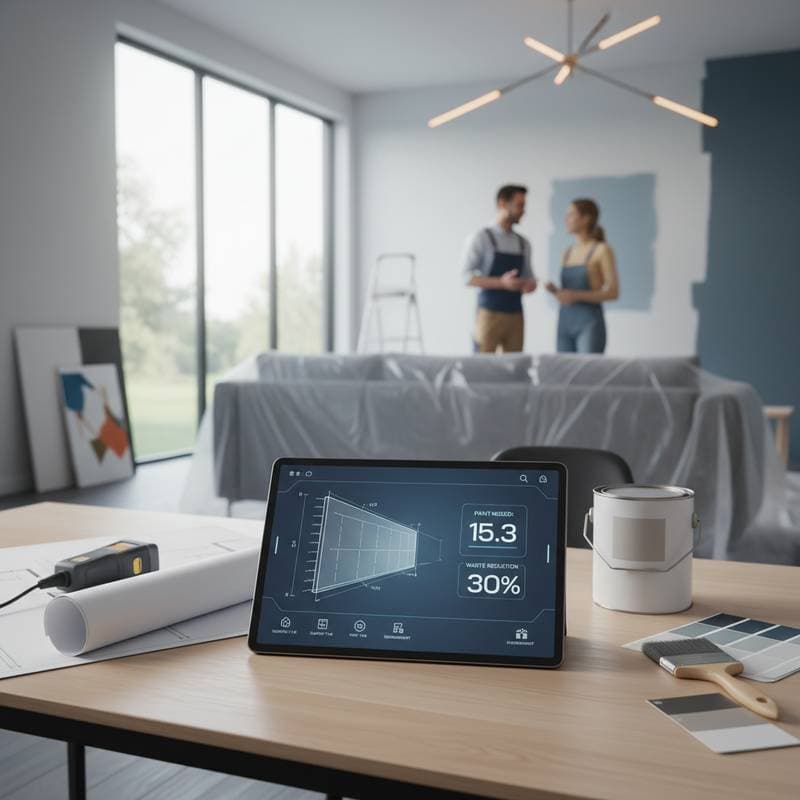
Precise paint estimation remains a key challenge in residential and commercial painting projects. Excess purchases result in waste, added expenses, and environmental harm, whereas insufficient amounts lead to delays and uneven applications. Smart paint calculators address these issues through advanced algorithms and real-time data integration. Industry projections indicate these tools will decrease paint waste by up to 30 percent by 2026, enabling more streamlined operations, accurate financial planning, and reduced material overuse for homeowners, contractors, and suppliers.
How Smart Paint Calculators Function
Conventional paint calculators rely on simple equations involving surface area and average coverage rates. In contrast, smart calculators incorporate multiple variables for greater precision. They account for wall texture, paint formulation, color intensity, application techniques, and regional humidity conditions. Users interact with these tools via mobile applications or web interfaces, inputting room measurements, uploading photographs, and selecting specific paint brands.
Once data entry occurs, the system computes the required volumes for primer and finish coats. This approach ensures comprehensive coverage with minimal excess, allowing painters to complete jobs efficiently without surplus materials.
Typical Costs for Interior Painting Projects
Homeowners benefit from grasping how estimation accuracy influences overall expenses. Interior painting costs generally fall between $2 and $6 per square foot, influenced by material standards, surface preparation needs, and regional labor rates.
- Small room (up to 150 square feet): $300 to $700
- Medium room (150 to 300 square feet): $700 to $1,500
- Large room (300 square feet or more): $1,500 to $3,000
Reliable calculations prevent the purchase of one to two extra gallons per room, yielding savings of $50 to $150 per project. Contractors handling larger scopes, such as multiple rooms or entire structures, experience compounded financial advantages.
Detailed Cost Breakdown per Square Foot
| Cost Component | Basic Range | Standard Range | Premium Range | Description |
|---|---|---|---|---|
| Paint Materials | $0.75 - $2.50 | $2.50 - $4.00 | $4.00 - $6.00 | Varies by brand, finish type, and coverage efficiency |
| Labor | $1.00 - $3.00 | $3.00 - $4.00 | $4.00 - $6.00 | Depends on expertise, preparation demands, and application speed |
| Preparation | $0.50 - $1.50 | $1.50 - $2.50 | $2.50 - $3.50 | Covers cleaning, sanding, and basic repairs |
| Waste Disposal | $0.10 - $0.50 | $0.50 - $1.00 | $1.00 - $1.50 | Accounts for excess paint handling and cleanup supplies |
Key Factors Influencing Paint Usage and Waste
Multiple elements determine paint consumption and potential waste. Awareness of these allows better project preparation for both individuals and experts.
Surface Texture
Porous or irregular surfaces demand additional paint layers due to higher absorption. Smart calculators modify estimates by applying texture-specific adjustments to coverage calculations.
Paint Quality and Formulation
Higher-grade paints feature concentrated pigments for superior hiding power. Although initial costs exceed those of basic options, they necessitate fewer applications, thereby decreasing labor and material outlays.
Application Techniques
Spray methods consume more paint than rollers or brushes but accelerate the process. Calculators tailor volume recommendations based on the selected technique to optimize usage.
Room Configuration
Elements such as trim work, recessed areas, or elevated ceilings expand the effective painting area. These tools automatically integrate such details from user inputs to eliminate approximations.
Ambient Conditions
Variations in temperature, moisture, and ventilation impact drying and adhesion. Sophisticated calculators draw on geographic weather data to fine-tune predictions, proving especially valuable for outdoor work.
Enhancing Cost Efficiency with Smart Calculators
Precise forecasting streamlines expenses throughout the painting lifecycle.
- Minimized Material Overuse: Fewer remnants translate to reduced disposal charges and storage requirements.
- Streamlined Labor: Advance planning avoids interruptions from resupply trips or timeline extensions.
- Refined Financial Projections: Users establish precise budgets prior to procurement.
- Sustainability Gains: Lower waste diminishes the ecological effects of manufacturing and discarding paint products.
Savings Projections by Project Scale
| Project Size | Typical Paint Requirement (gallons) | Waste Without Calculator (gallons) | Reduction with Calculator (gallons) | Projected Savings |
|---|---|---|---|---|
| Small Room | 2 | 0.5 | 0.15 | $25 to $50 |
| Medium Room | 4 | 1 | 0.3 | $50 to $100 |
| Large Interior | 10 | 2 | 0.6 | $100 to $200 |
Realizing Value and Investment Returns
Beyond paint conservation, smart calculators deliver tangible project enhancements. Jobs with exact estimates produce uniform finishes, fewer disruptions, and elevated customer approval. Professionals gain from dependable quoting, which mitigates billing conflicts related to supplies.
Homeowners realize direct monetary benefits from waste reduction. Incremental savings on unused paint quickly recover any associated tool or app fees after one or two endeavors. Long-term adoption fosters greater profitability and eco-conscious practices.
Practical Tips for Maximizing Savings
- Verify measurements twice before calculator submission to ensure data integrity.
- Select paints rated for optimal coverage to limit coat numbers and achieve even results.
- Procure all required paint in a single order to preserve color uniformity across spaces.
- Apply primer thoroughly to seal surfaces and curb excess absorption in subsequent layers.
- Seal surplus paint in airtight containers for potential future applications like repairs.
Building an Effective Project Budget
Effective budgeting begins with accurate assessments and extends to strategic material choices. Integrate calculator outputs with cost breakdowns to forecast total expenditures reliably. Consider seasonal factors, such as milder weather for smoother applications and potentially discounted services during quieter periods. This comprehensive approach ensures projects stay within financial limits while delivering professional outcomes.
Frequently Asked Questions
What Defines a Smart Paint Calculator?
A smart paint calculator constitutes a digital application that determines precise paint quantities by evaluating dimensions, textures, formulations, and environmental variables. It promotes waste reduction and expenditure precision.
To What Extent Do These Calculators Decrease Paint Waste?
These tools achieve reductions of up to 30 percent in paint waste by curbing excess buys and refining application strategies. Actual outcomes vary with project intricacies and input precision.
Do Smart Calculators Serve DIY Enthusiasts and Professionals Alike?
Affirmative. Individuals handle personal projects with efficient procurement planning, whereas experts leverage them for bid accuracy and minimized remnants.
In What Ways Can Homeowners Leverage These Tools for Savings?
By supplying detailed measurements and evaluating paint options via coverage and pricing metrics, homeowners sidestep unnecessary purchases. This facilitates informed brand selections.
Is Purchasing Additional Paint for Repairs Advisable?
A modest reserve of half a gallon per shade suffices for maintenance needs. Calculators incorporate slight buffers, rendering substantial extras redundant.
When Should One Schedule a Painting Project to Optimize Costs?
Opt for periods with stable weather to facilitate even drying and shorten labor duration. Off-peak seasons often yield reduced contractor fees and enhanced supply access.