Why Moody Charcoal Leads the 2026 Paint Trends
Home interiors evolve toward deeper, more expressive colors that blend sophistication with comfort. Moody charcoal emerges as a standout option among prominent shades. Its bold yet adaptable qualities position it as a reliable foundation for diverse interior designs. This trend emphasizes creating layered depth, warmth, and personality that align with contemporary tastes, rather than producing overly dark environments.
The Appeal of Moody Charcoal
Charcoal has always evoked elegance, yet its surge in popularity arises from seamless integration into modern lifestyles. It harmonizes with natural materials, subtle textures, and organic surfaces. Far from appearing stark or industrial, moody charcoal conveys a sense of grounding and serenity. This nuanced quality suits both modern and classic home settings.
Homeowners increasingly favor richer color schemes that express individuality while preserving calm. Designers note a shift from bright whites and flat grays toward palettes with substance. Charcoal achieves this balance by generating visual intrigue without dominating a room. It serves as an ideal canvas for understated or bold decorative elements.
Pairing Charcoal with Complementary Colors
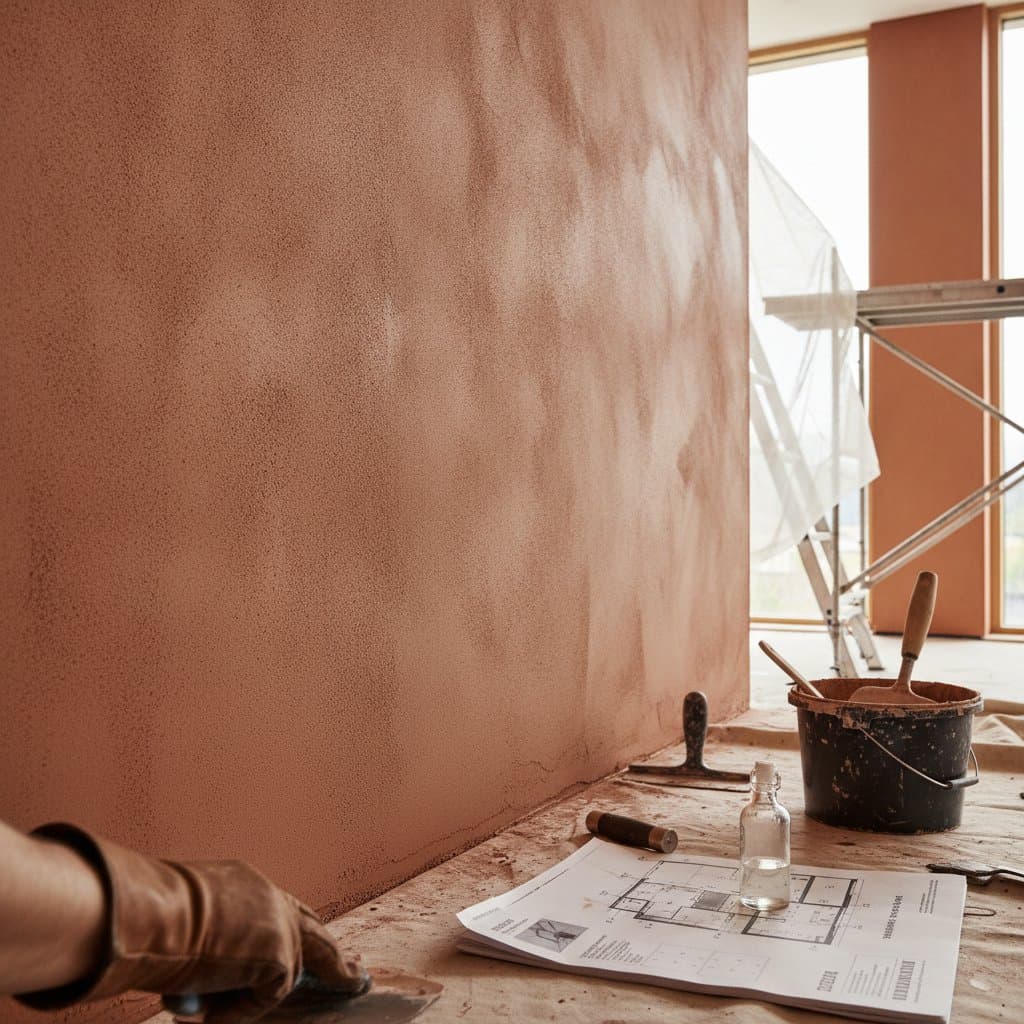
Moody charcoal gains prominence in paint trends through its affinity with various hues. It aligns effortlessly with warm shades such as terracotta, ochre, and pale beige, while also tempering cooler tones like soft blues and greens. In terracotta-dominated spaces, charcoal introduces an earthy, hospitable vibe. The interplay of deep charcoal against warm clay elements establishes a timeless equilibrium.
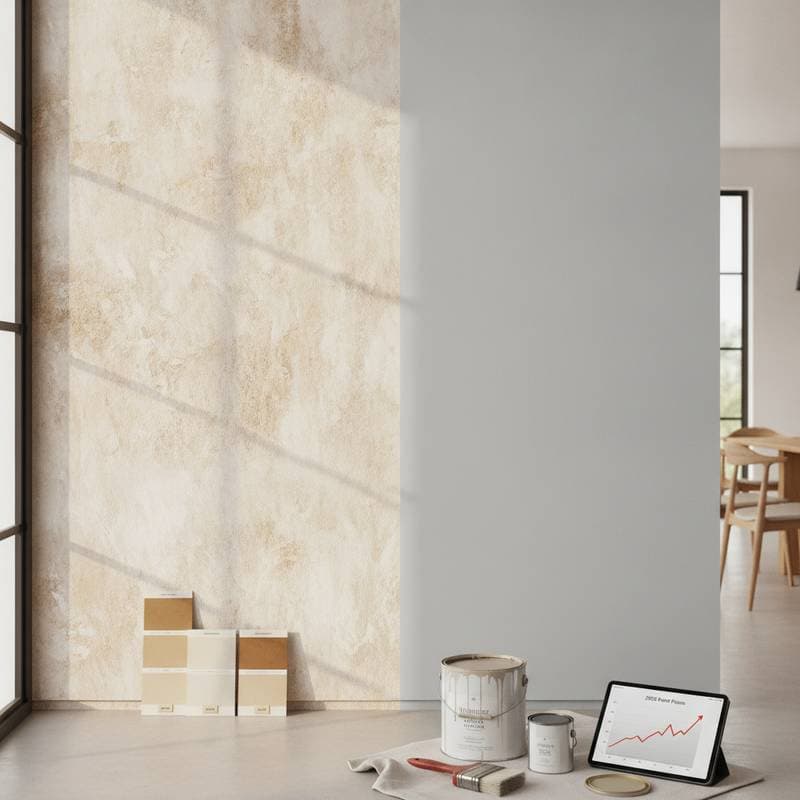
To introduce lightness, combine charcoal with off-white neutrals or light-toned woods. In expansive, open layouts, a charcoal feature wall delineates areas without disrupting continuity. Bedrooms and workspaces benefit from its capacity to promote concentration and relaxation. Such flexibility empowers homeowners to innovate within a cohesive framework.
Applications for Moody Charcoal in Home Design
Incorporate charcoal strategically to shape desired moods across different areas:
- Feature walls: Apply to one wall for added dimension and impact, avoiding overall dimness.
- Kitchen and storage elements: Select charcoal for cabinets and integrated units, enhanced by brass or matte black fittings.
- Doors and framing: Paint interior doors or window surrounds in charcoal for elegant differentiation against paler surfaces.
- Outdoor features: Use on exterior cladding or shutters to boost aesthetic appeal, coordinating with stone or timber elements.
Achieve equilibrium by integrating textures, brighter furniture, and multi-layered illumination. These elements ensure charcoal enhances openness rather than confinement.
Psychological Effects of Charcoal in Interiors
Color theory significantly influences emerging paint selections. Charcoal inspires feelings of steadiness, resilience, and ease. It provides an anchoring presence that resonates with many during periods of flux. Distinct from stark black, which may seem intimidating, charcoal offers a gentle quality that fosters repose.
When allied with warm bases or organic components, it generates an enveloping ambiance that elevates living areas. Professionals deploy moody charcoal to infuse refinement without rigidity. It renders compact rooms more intimate and expansive ones more unified. This profound emotional resonance positions it as a staple for stylish, rejuvenating environments.
Integrating Terracotta with the Charcoal Trend
Terracotta serves as a vital counterpart in this movement. Its robust, earth-derived tone counters charcoal's subtlety with vitality. The duo constructs an innate, perpetual scheme. Terracotta accents in textiles, pillows, or pottery animate charcoal backdrops, whereas charcoal details stabilize terracotta features.
This alliance excels in settings that prioritize organic textures such as linen, woven fibers, or light woods. It echoes natural contrasts, like shadowed rock against fertile ground. The result delivers polished comfort, appealing to those pursuing lasting aesthetics.
Steps to Prepare for a Charcoal Painting Initiative
Evaluate illumination, spatial scale, and current furnishings before adopting moody charcoal. Daylight accentuates the shade's inherent nuances, which may tilt toward blue, brown, or green. Apply test patches across several surfaces and monitor variations throughout the day. In low-light conditions, incorporate ambient warm lights and glossy elements to preserve harmony.
Opt for high-quality products when working with deeper tones. Engage a skilled painter to secure uniform application, precise lines, and stable pigmentation. Darker shades demand thorough priming and several layers for optimal depth. Experts can recommend suitable sheens, ranging from flat to semi-gloss, to match intended outcomes.
Executing a Cohesive Charcoal Design Strategy
Treat moody charcoal adoption as an element of a comprehensive interior refresh. Initiate with a prominent zone, such as a dining area wall or storage unit. Upon acclimating to the effect, propagate it to adjacent regions. Integrate contrasting materials like pale timber, plush fabrics, and textured metals.
Maintain simplicity in accessories to spotlight the hue. For those tracking forward-looking styles, moody charcoal promises durability and versatility. It bridges the contemporary with the conventional, assertive yet measured. Employed comprehensively or sparingly, it cultivates an ambiance of modernity and perpetuity.
Frequently Asked Questions
What is the average cost to paint a room in moody charcoal?
Professional services for interior painting range from $2 to $6 per square foot, influenced by surface preparation, paint grade, and complexity. A standard room typically incurs $400 to $900, covering labor and supplies. High-end formulations with intense pigments may elevate expenses modestly, yet they yield richer tones and superior finish.
Which colors pair most effectively with moody charcoal?
Effective companions include terracotta, neutral beige, cream, subdued green, and golden metals. These selections foster equilibrium and avert overly dense or chilly impressions.