Reasons for the $800 Increase in Level 5 Drywall Finishes Next Year
Homeowners and contractors often admire walls that appear perfectly smooth and flawless. Such surfaces typically result from a Level 5 drywall finish, the highest standard in the industry. Professionals anticipate that the cost for this premium finish will rise by approximately $800 for an average home project next year. This article examines the factors driving this increase and provides strategies to incorporate high-quality finishes within budget constraints.
Understanding the Level 5 Drywall Finish
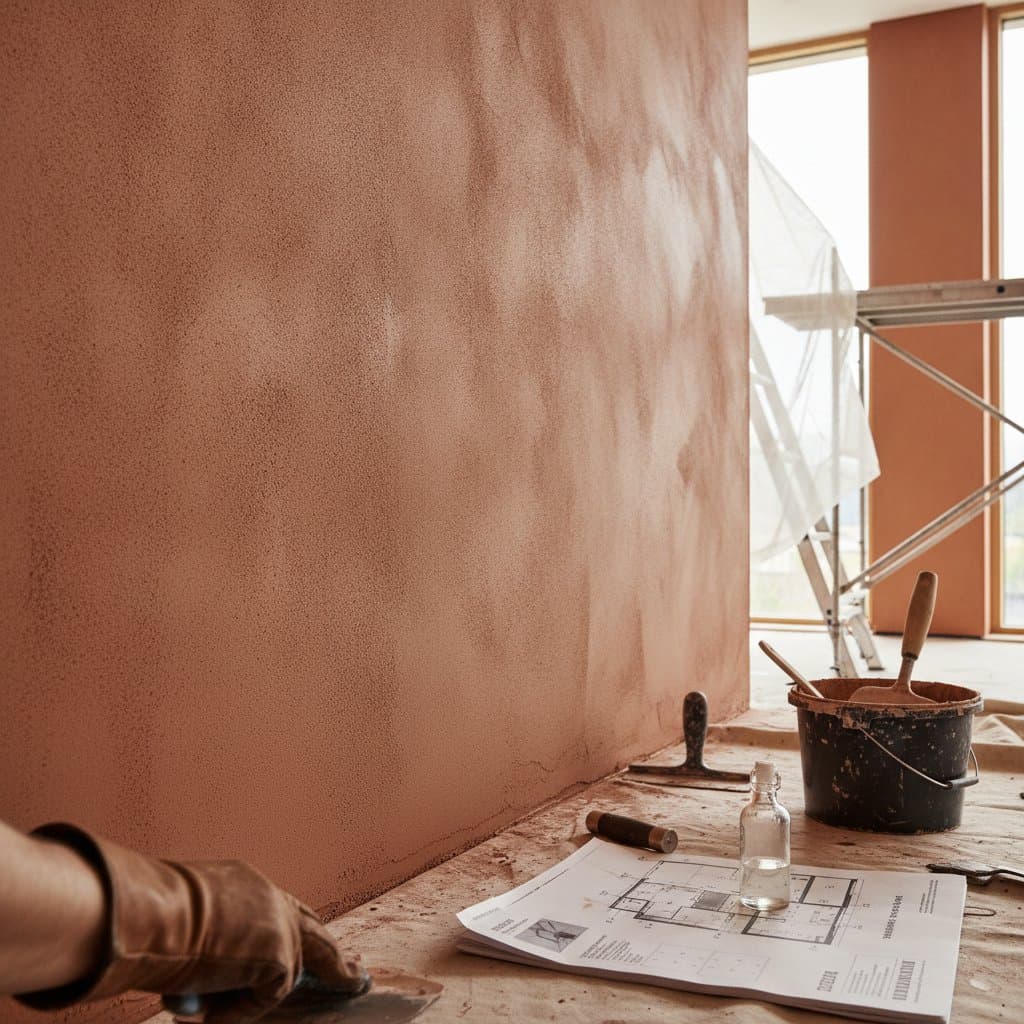
Drywall finishing levels range from 0 to 5, with each level offering progressively smoother results. A Level 4 finish, common in standard residential construction, involves taping seams and applying multiple coats of joint compound. This level suffices for most painted walls, particularly those using eggshell or satin sheens. However, a Level 5 finish requires an additional skim coat of joint compound over the entire wall surface, followed by meticulous sanding to eliminate all imperfections.
This process creates walls that reflect light uniformly and resist showing seams or textures under scrutiny. Such finishes prove essential in high-end residential projects, commercial spaces, and areas subject to bright lighting or photography. The result is a professional appearance that enhances the overall aesthetic of any interior.
Factors Contributing to the Cost Increase
The projected $800 rise stems from several interconnected challenges in the construction sector. These include escalating material expenses, a shortage of qualified labor, and the inherent demands of the finishing process. The following sections detail each contributor.
Rising Material Expenses
Essential materials such as joint compound, primers, and sanding supplies have seen steady price increases due to supply chain disruptions and higher production costs. A Level 5 project consumes significantly more joint compound than a Level 4 application, amplifying the impact of these rises. Contractors report that even modest per-unit increases translate to hundreds of dollars across a full-room job.
Shortage of Skilled Labor
Achieving a Level 5 finish demands precision, experience, and patience from drywall finishers. The pool of professionals capable of delivering this quality remains limited, with many seeking opportunities in larger commercial developments. As demand outpaces supply, contractors must offer higher wages to attract and retain talent, which directly elevates project bids.
Extended Labor Requirements
The Level 5 process involves multiple applications of joint compound, each requiring complete drying before sanding and inspection. This iterative approach often doubles the labor hours compared to lower-level finishes. Additional time goes toward quality checks to prevent issues like uneven drying or dust accumulation, further extending timelines and costs.
Demands of Surface Preparation and Environmental Management
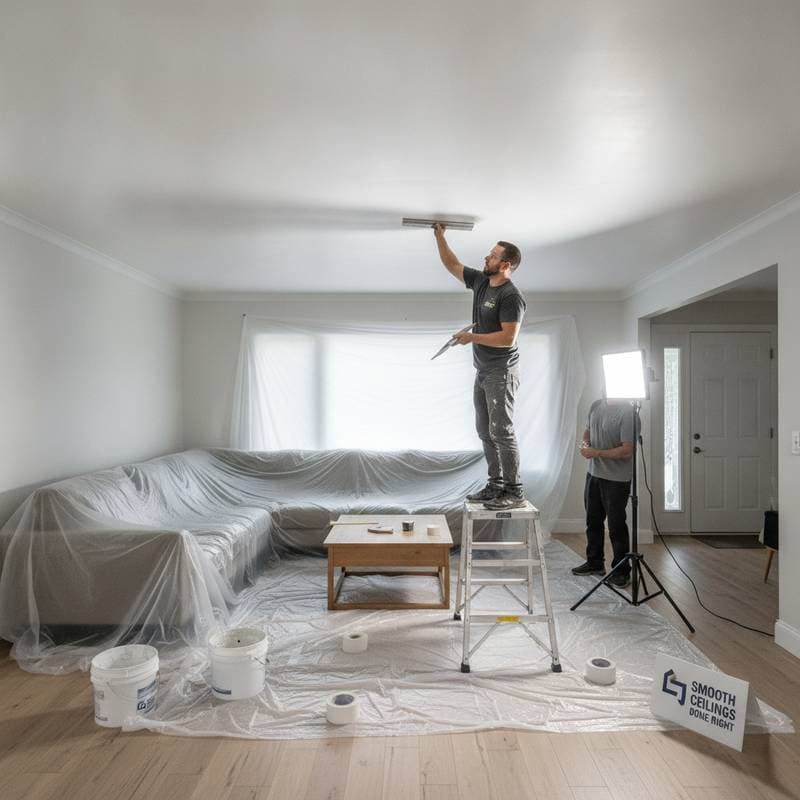
Optimal conditions for Level 5 work include controlled temperature, humidity, and airflow to ensure even drying and sanding. Crews frequently isolate work areas, install air filtration systems, and use specialized lighting to detect flaws. These preparatory measures, while necessary for superior results, add substantial setup and cleanup expenses.
Benefits of Investing in a Level 5 Finish
The premium for a Level 5 finish delivers tangible advantages in both appearance and functionality. Smooth surfaces distribute light evenly, creating an illusion of expanded space and a refined atmosphere. This quality suits modern designs, open-concept layouts, and minimalist styles where any irregularity could detract from the intended effect.
In professional settings such as photography studios or art galleries, Level 5 walls ensure consistent visual quality under varied lighting. For residential applications, the finish supports high-sheen paints without revealing imperfections, maintaining a polished look over time. The investment enhances property value and buyer appeal during resale.
Strategies for Budgeting Level 5 Finishes
Incorporating Level 5 elements does not require exceeding financial limits. Consider these tiered approaches to prioritize quality where it matters most.
Approach for Limited Budgets
Focus Level 5 finishing on high-impact areas, such as primary living spaces or entertainment rooms. Apply standard Level 4 finishes to less visible zones like bedrooms and corridors. This selective strategy achieves a luxurious feel in key areas while controlling overall expenses.
Approach for Moderate Budgets
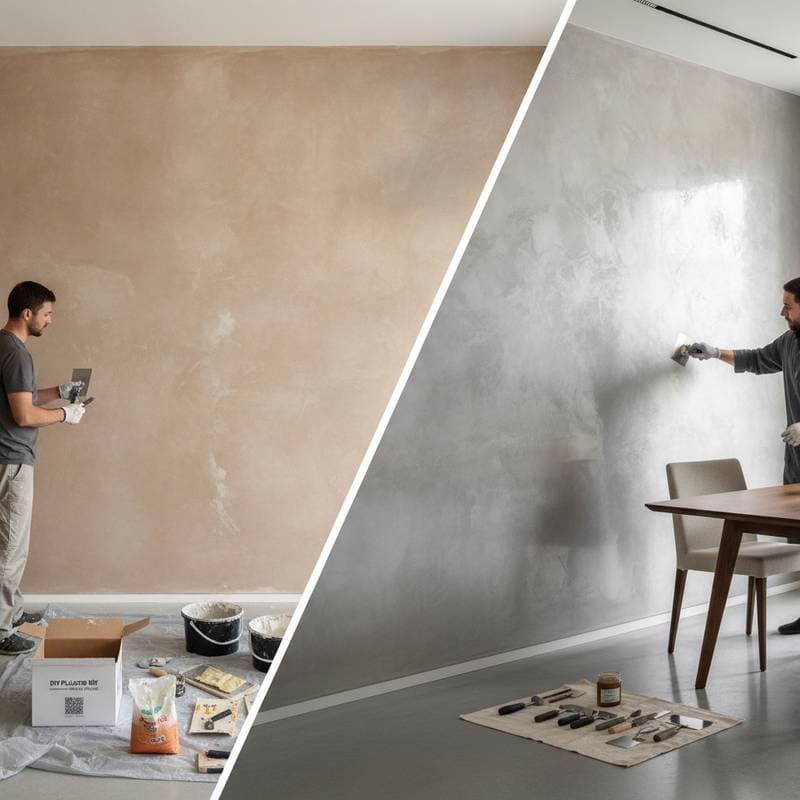
Integrate professional services with targeted homeowner involvement. For instance, complete initial sanding or priming independently, then hire experts for the final skim coat and polishing. Such collaboration reduces professional labor hours and can lower costs by several hundred dollars.
Approach for Ample Budgets
Opt for comprehensive Level 5 treatment throughout, paired with specialized primers and paints optimized for smooth surfaces. This full commitment yields durable, seamless walls that withstand years of use. The long-term aesthetic and maintenance benefits justify the upfront expenditure.
Professional Techniques for Optimal Results
Experienced contractors employ specific methods to streamline Level 5 projects and minimize errors. The following practices, drawn from residential and production environments, ensure efficiency and quality.
-
Select Appropriate Primers
Apply a primer formulated for Level 5 surfaces to balance absorption rates between joint compound and drywall. This step prevents uneven paint adhesion, which could manifest as glossy or matte variations. -
Evaluate with Strategic Lighting
During preparation, use low-angle lighting to scan walls for subtle defects like scratches or depressions. Addressing these early avoids extensive corrections after subsequent coats. -
Manage Dust and Ventilation
Implement filtered ventilation systems or negative air pressure units to prevent dust from contaminating wet compound. In occupied homes, this also maintains a clean environment for residents. -
Conduct Paint Trials
Test selected paints and sheens on small sections before full application. Higher-gloss options accentuate flaws, whereas lower sheens conceal them; align choices with room lighting and design intent. -
Perform Progressive Inspections
Examine and sand each compound layer before applying the next. This methodical progression eliminates risks of waves or inconsistencies that emerge only post-painting.
Addressing Homeowner Concerns About Pricing
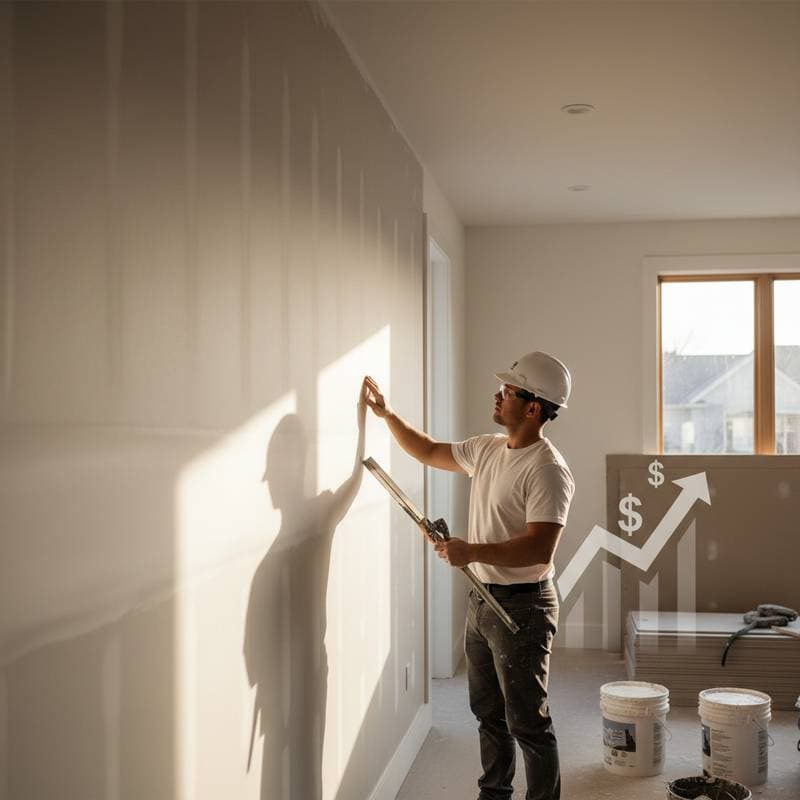
Updated quotes reflecting the $800 increase often surprise clients, yet these adjustments mirror genuine industry shifts. Contractors pass on costs associated with materials, extended timelines, and specialized skills without excessive markups. Dedication to perfection, such as refining a wall under precise lighting, underscores the value of professional expertise.
Preparing for Your Project
For upcoming builds or renovations, initiate discussions with contractors about Level 5 pricing, material selections, and environmental protocols. Request detailed breakdowns to anticipate expenses accurately. A hybrid model, applying Level 5 to ceilings and accent walls while using Level 4 elsewhere, balances luxury and affordability.
Enduring Advantages of Level 5 Finishes
Beyond initial appeal, Level 5 surfaces simplify upkeep by repelling dirt and facilitating seamless touch-ups. Paint maintains uniformity longer, reducing the frequency of full repaints. For long-term homeowners, this translates to cost savings and sustained visual excellence. During sales, pristine walls convey meticulous care, potentially accelerating transactions and boosting offers.