Venetian Plaster’s Revival in 2026: Weighing DIY Against Professional Installation
Venetian plaster emerges as a key trend in 2026 interior design. This finish, historically featured in opulent European estates, now graces everyday homes seeking layered depth and refined appeal. Its polished, stone-resembling surface turns standard walls into focal points of artistry. Homeowners often face the decision: pursue this project independently or engage skilled experts?
This resource outlines the essentials of Venetian plaster, including application methods, expense breakdowns, and influencing variables. It also provides strategies for selecting the optimal path, enabling informed planning that yields desired results without hidden pitfalls.
Essentials of Venetian Plaster
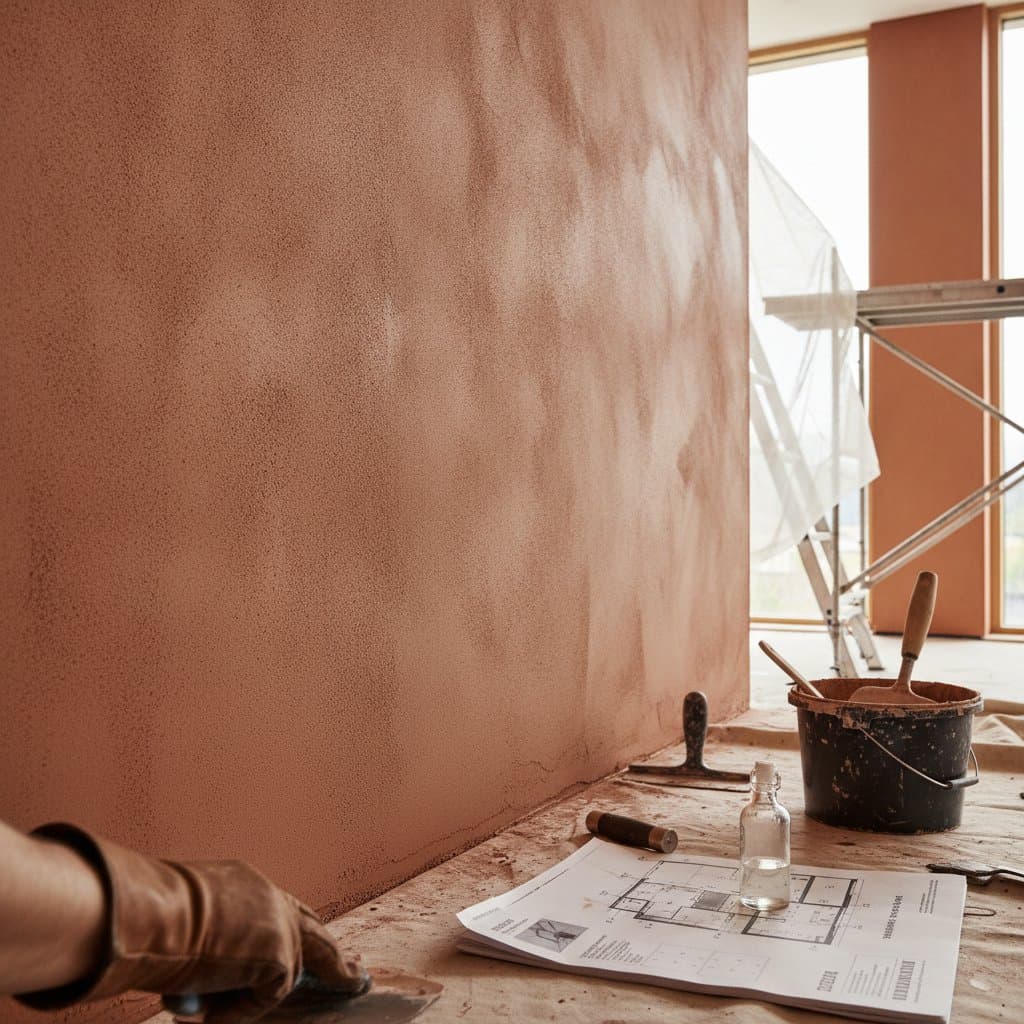
Venetian plaster consists of lime putty combined with marble dust. Artisans apply it in successive thin layers, then burnish each for a luminous effect akin to natural stone. Finishes vary from subtle matte tones to high-gloss elegance, tailored by application methods. The material offers longevity, moisture permeability, and inherent mold resistance, ideal for spaces like living areas, bathrooms, and feature walls.
Application demands more than standard painting. Precise layering ensures uniformity, while burnishing creates seamless integration. This blend of artistry and precision appeals to those valuing handmade quality in home enhancements.
Detailed Cost Analysis
Typical Price Ranges
- Basic application: $8 to $12 per square foot
- Standard application: $13 to $18 per square foot
- Premium application: $19 to $30 per square foot
Core Components of Pricing
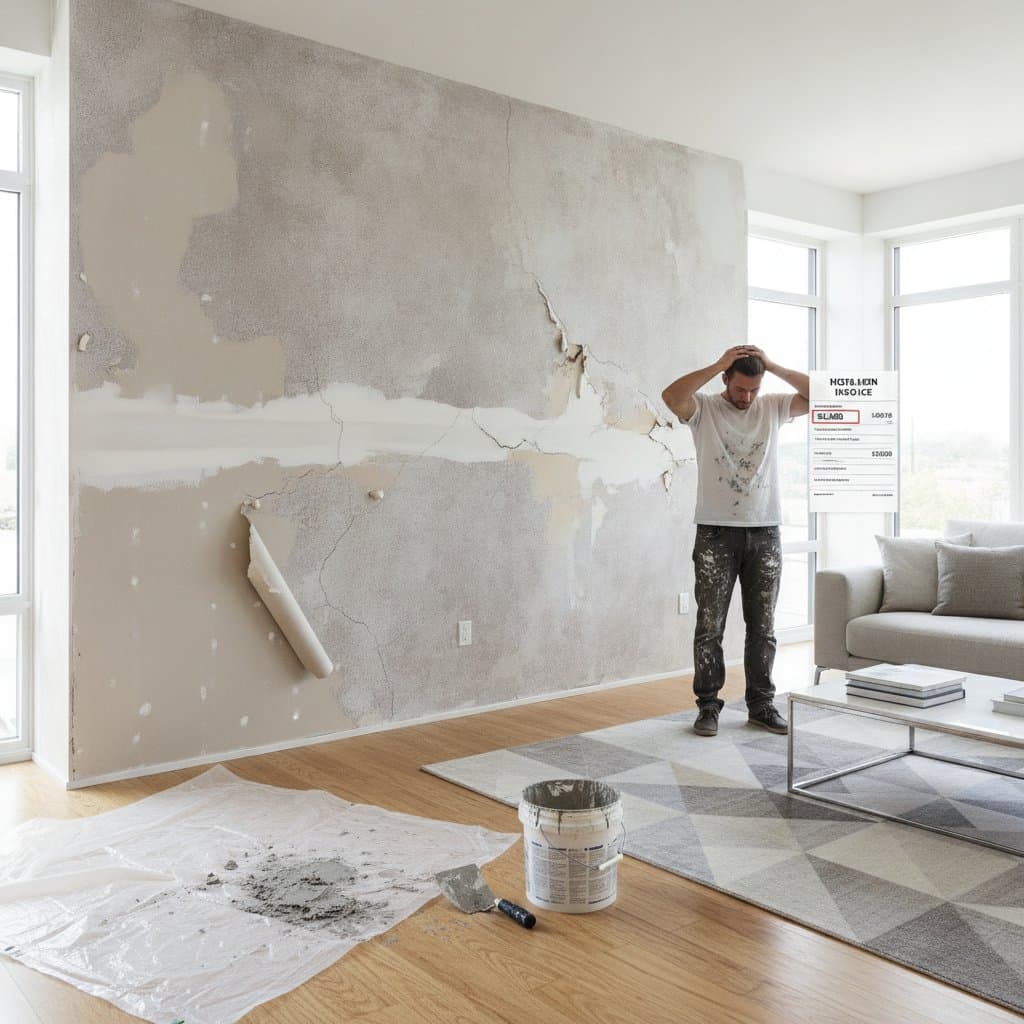
- Preparation of surfaces, including repairs
- Procurement of lime-based plaster and color pigments
- Layered application with hand-polishing
- Final cleanup and refinements
Additional Expenses
- Specialized effects like metallic sheens or custom hues
- Intricate geometries or elevated ceilings
- Additives for moisture resistance in wet zones
- Bespoke pigment mixing or design elements
Key Influences on Total Expenses
| Factor | Impact on Cost | Specific Instances |
|---|---|---|
| Surface Condition | Elevates preparation expenses | Repairs for cracks, leveling uneven drywall, or removing old paint |
| Finish Style | Extends labor duration | High-gloss or intricate marble simulations |
| Project Scale | Scales material needs | Expansive rooms versus targeted accent sections |
| Local Labor Market | Adjusts per-hour rates | Higher fees in metropolitan areas compared to countryside locations |
| Installer Expertise | Affects outcome quality and fees | Seasoned specialists command premiums for superior execution |
Elements Shaping Price Variations
Labor constitutes the primary cost driver, given the time-intensive nature and required proficiency. A simple finish may involve two layers, whereas elaborate versions demand four or additional passes, each burnished manually. Achieving rich color variations incurs further charges through pigment integration and trial applications.
For self-directed projects, materials run $2 to $4 per square foot, though essential tools and trial surfaces inflate this figure. Experts typically produce even results with minimal material loss, justifying their rates through efficiency and precision.
Project Duration Overview
Professionals complete a modest accent wall in one to two days, accounting for interlayer drying. A complete room spans three to five days, influenced by preparatory demands and finish intricacy. Independent efforts often extend beyond these estimates, as learners apply coats deliberately, accommodate drying intervals, and address errors. Allow ample time, as haste risks imperfections like streaks or uneven luster.
Deciding Between Self-Installation and Expert Services
Scenarios for Successful DIY
Individuals with prior wall finishing experience and precise control can manage compact Venetian plaster tasks. Consider starting with accent panels, alcoves, or compact washrooms. Beginner-friendly kits supply premixed compounds and colorants, simplifying initial steps.
Mastery develops gradually. Apply the base layer for structure, add a second for dimension, and conclude with burnishing for radiance. Maintain uniform pressure and strokes throughout. Practice on scrap panels to perfect motions prior to wall commitment.
Cases Favoring Professional Involvement
Opt for experts on expansive rooms, overhead surfaces, or durable high-use zones. They manage drying schedules, ensure layer uniformity, and blend colors seamlessly. In heritage properties, professionals adeptly restore or harmonize with existing surfaces. Their background guarantees consistent gloss, accurate tones, and resilience against routine contact.
Selecting a Reliable Contractor
Technique defines Venetian plaster success, so prioritize contractors with demonstrated specialization.
Selection Criteria
- Review Work Samples: Examine images of comparable projects to gauge finish quality.
- Validate Qualifications: Ensure possession of licenses, coverage, and decorative plaster certifications.
- Obtain Comprehensive Bids: Evaluate breakdowns covering labor, supplies, and prep work.
- Inquire on Materials: Insist on premium lime formulations over imitation options for enduring performance.
- Contact References: Discuss timelines, site tidiness, and satisfaction with completed jobs.
Vital Contract Provisions
A formal document must specify:
- Project boundaries and targeted areas
- Layer count and desired finish
- Staged payment aligned with milestones
- Obligations for site restoration and adjustments
- Guarantees for workmanship and products
Project Preparation Steps
Homeowners contribute to efficiency by readying the area in advance.
Pre-Work Preparations
- Relocate furnishings and shield others with protective sheeting.
- Dismantle fixtures like artwork and outlets.
- Verify or integrate necessary surface fixes into the service plan.
- Test color swatches in ambient and illuminated conditions for accuracy.
Ongoing Oversight
- Maintain airflow while preventing rapid-drying currents.
- Observe daily advancements to refine texture and shine inputs.
- Refrain from surface contact until polishing concludes.
Post-Work Care
- Permit full curing before maintenance or adornment.
- Clean with gentle soap solutions.
- Steer clear of abrasives that compromise the patina.
Balancing Costs and Quality for Lasting Results
Evaluate your skill level, project scope, and budget to determine the best approach. DIY suits modest experiments where savings matter, yet professionals deliver reliability for ambitious transformations. Either path, when executed thoughtfully, installs enduring elegance that enhances your living spaces for years.
Frequently Asked Questions
What Determines Venetian Plaster Expenses?
Expenses hinge on surface readiness, finish complexity, area dimensions, and provider proficiency. A subdued matte application costs less than a lustrous stone imitation. Additional preparatory tasks like filling voids or smoothing contribute to the overall sum.
How Much Time Does Installation Require?
Experts wrap a compact room in three to five days, encompassing layering and curing phases. Broader or nuanced endeavors extend accordingly. Self-managed timelines lengthen due to deliberate drying between applications.
Can Venetian Plaster Withstand Bathroom or Kitchen Conditions?
It performs well when sealed appropriately. The lime composition permits vapor passage and deters mold growth, but humid environments benefit from wax or barrier coatings. Specialists select apt sealers for sustained protection.
Should You Engage a Handyman or Specialized Contractor?
Handymen suit minor fixes, but full-scale Venetian work necessitates dedicated expertise. Choose licensed decorators familiar with lime compounds for comprehensive or tailored applications.
What Occurs During the Application Sequence?
The process unfolds over sessions: initial priming, followed by progressive thin layers and polishing. Texture and gloss evolve visibly. Concluding efforts focus on final burnishing and site clearing.
Which Issues Might Arise, and How to Address Them?
Inconsistencies in tone, lackluster areas, or tool imprints stem from uneven handling. Expert involvement minimizes risks. For slight flaws, targeted buffing or overlay resolves concerns without wholesale rework.