TSP Banned: What Painters Use for Prep in 2025
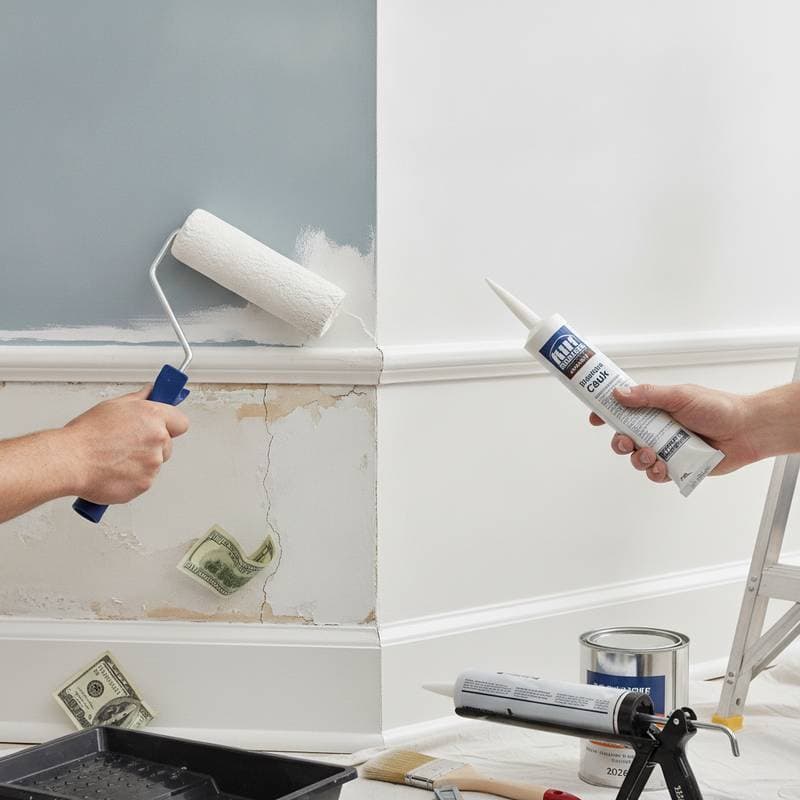
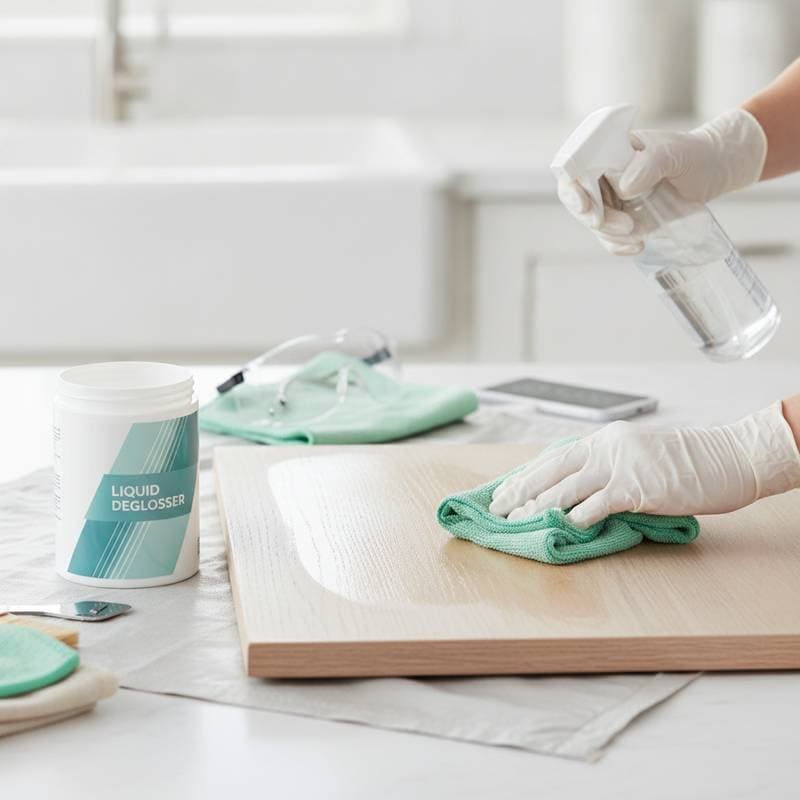
Surface preparation forms the foundation of any durable paint job. For many years, painters depended on trisodium phosphate, known as TSP, to remove grease and grime from surfaces, ensuring strong paint adhesion. Environmental concerns and regulatory updates now limit TSP and its chemical alternatives. Homeowners and professionals alike must explore new preparation techniques to achieve high-quality results while adhering to these standards.
The Evolving Standards for Paint Preparation Cleaners
The phase-out of TSP reflects broader efforts to promote safer, environmentally friendly products. Phosphate-based cleaners contribute to water pollution, prompting stricter regulations on their sale and disposal. Even phosphate-free substitutes face scrutiny due to similar chemical risks. This transition encourages the adoption of biodegradable, plant-derived cleaners that deliver effective cleaning with minimal ecological harm.
These changes extend beyond selecting products. Painters need to adjust their cleaning processes, materials, and budgets accordingly. For homeowners embarking on painting projects, grasping these developments avoids delays and supports optimal paint adhesion and finish longevity.
Average Cost Ranges for Updated Paint Preparation Methods
Cleaning surfaces prior to painting generally ranges from $0.40 to $1.25 per square foot, influenced by materials and labor. Overall project expenses vary by scale:
- Small room (100–150 sq. ft.): $60–$150
- Medium room (200–300 sq. ft.): $100–$300
- Large area (400–600 sq. ft.): $250–$600
These estimates cover labor, cleaning solutions, tools, and waste management. Regional differences and whether the task involves professionals or DIY efforts affect final pricing.
Detailed Cost Breakdown per Square Foot
| Category | Basic Range | Standard Range | Premium Range | Key Differences |
|---|---|---|---|---|
| Materials | $0.10 - $0.25 | $0.20 - $0.45 | $0.40 - $0.70 | Cleaner type and environmental safety |
| Labor | $0.20 - $0.50 | $0.40 - $0.70 | $0.60 - $1.00 | Time and method of application |
| Preparation | $0.05 - $0.20 | $0.10 - $0.25 | $0.20 - $0.35 | Includes masking, rinsing, and drying |
| Disposal | $0.05 - $0.15 | $0.10 - $0.20 | $0.15 - $0.25 | Proper handling of cleaning residue |
Key Factors Influencing Costs of Modern Paint Preparation
-
Cleaner Type: TSP previously cost less than $10 per gallon. Sustainable options, like citrus or enzyme-based formulas, often double that price. Although they minimize environmental damage, these cleaners might demand greater quantities or additional applications for comparable effectiveness.
-
Surface Condition: Walls with heavy soiling, smoke residue, or kitchen grease extend cleaning duration. Such scenarios necessitate several passes, elevating labor expenses by 20 to 30 percent.
-
Material Compatibility: Certain cleaners prove too abrasive for wood, plaster, or fine finishes. Selecting appropriate solutions prevents damage yet incurs higher costs for specialized formulations.
-
Labor Productivity: Experts employing industrial sprayers or steam units finish tasks more quickly, lowering per-hour rates. Home-based approaches consume more time and potentially extra supplies.
-
Local Regulations: Area-specific rules on phosphates or solvents dictate product availability. In restricted zones, compliant alternatives command premiums from scarce stock.
Side-by-Side Comparison of Preparation Techniques
| Method | Cost per Sq. Ft. | Environmental Impact | Cleaning Power | Typical Use |
|---|---|---|---|---|
| TSP (traditional) | $0.30 - $0.60 | High phosphate runoff | Strong | Heavy-duty cleaning |
| Phosphate-free substitute | $0.40 - $0.80 | Moderate | Good | General interior prep |
| Biodegradable plant-based | $0.60 - $1.20 | Low | Mild to strong | Eco-conscious projects |
| Steam cleaning | $0.80 - $1.50 | None | Excellent | Sensitive or large surfaces |
While innovative methods carry higher initial costs, they eliminate fines for environmental violations, mitigate health hazards, and simplify waste disposal. These advantages frequently justify the added investment over the project's lifespan.
Long-Term Benefits of Compliant Preparation Practices
Thorough surface cleaning ensures superior paint adhesion and longevity. Environmentally approved cleaners help prevent issues like peeling, bubbling, or fading. Investing in quality preparation cuts future repainting needs and enhances indoor air quality. Sustainable choices also streamline post-cleanup and reduce exposure to hazardous materials.
In properties aimed at resale, eco-friendly prep appeals to discerning buyers. Markets emphasizing green building practices increasingly favor homes treated with non-toxic methods.
Practical Tips to Control Preparation Expenses
- Opt for concentrated eco-cleaners to lower costs per application.
- Start with mild soap for initial dirt removal, conserving specialized products.
- Clean in manageable sections to avoid product evaporation and waste.
- Handle basic wall washing as a DIY task, reserving complex areas for professionals.
- Check dilution guidelines carefully; proper mixing extends coverage and efficiency.
Budgeting Effectively for Your Painting Project
Allocate 10 to 15 percent of the overall painting budget to surface preparation under current guidelines. Factor in a modest reserve for testing products, as performance varies by surface type. Consulting professionals aids in choosing the ideal mix for walls, trim, or exteriors.
Document specifics such as product brands, mixing ratios, and drying periods. These records facilitate ongoing maintenance and promote uniformity in multi-room or multi-coat applications.
Frequently Asked Questions
What is the typical cost for paint preparation following TSP restrictions?
Expect $0.40 to $1.25 per square foot, based on surface state, chosen products, and labor. Sustainable cleaners exceed TSP prices but simplify safe handling and disposal.
Which elements most affect paint preparation expenses?
Cleaner selection, surface dirt levels, and worker efficiency play the primary roles. Textured or contaminated areas demand extended effort, while advanced biodegradable options raise material outlays.
In what ways can costs be reduced while upholding standards?
Select concentrated solutions, conduct preliminary light cleaning, and shop during promotional periods. Adhering to mixing directions prevents overuse and excess spending.
Is professional help preferable to DIY for preparation?
Homeowners manage small-scale or minor cleaning effectively. Experts excel in exteriors, grease-intensive zones, or time-sensitive jobs, leveraging tools for superior outcomes.
How should one account for potential extra expenses?
Incorporate a 10 to 15 percent margin in the painting budget for unforeseen cleaning rounds or product adjustments. Post-cleaning repairs might also arise.
When does initiating paint preparation yield the best savings?
Schedule during off-peak seasons for reduced labor rates. Favorable dry conditions accelerate drying, enhancing efficiency and curbing interruptions.