Achieve Smooth Walls: Replace Texture with an $800 Skim Coat
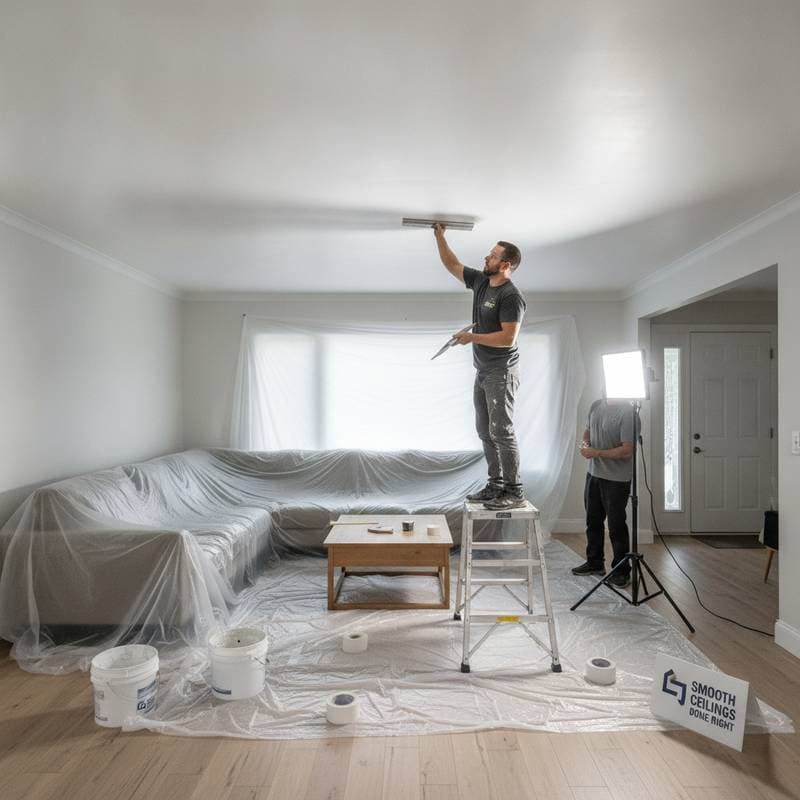
Transforming textured walls into sleek, smooth surfaces enhances the interior of any home. Homeowners increasingly choose skim coating for its affordability and ability to deliver a contemporary, polished appearance. This method applies a thin layer of joint compound over existing textures, followed by sanding to create a paint-ready finish. For a typical project, expect to invest approximately $800, with variations based on room dimensions, surface state, and texture complexity.
Knowledge of cost drivers empowers homeowners to budget wisely, select suitable options, and decide between hiring experts or tackling the task independently.
Average Cost Ranges by Project Size
- Small room (up to 150 sq. ft.): $400 - $700
- Medium room (150 to 300 sq. ft.): $700 - $1,000
- Large room (over 300 sq. ft.): $1,000 - $1,600
These figures cover materials, labor, and basic preparation. Extensive texture removal or structural repairs will increase expenses.
Cost Breakdown per Square Foot
Skim coating generally ranges from $1.50 to $3.50 per square foot, encompassing:
- Materials: $0.50 - $1.00 per square foot
- Labor: $1.00 - $2.00 per square foot
- Preparation and cleanup: $0.25 - $0.50 per square foot
- Additional finishing or priming: $0.25 - $0.75 per square foot
Professional services in this range produce a surface primed for painting, accommodating both everyday and upscale wall treatments.
Factors Affecting Skim Coat Costs
Each home and wall condition introduces distinct considerations. Several elements determine the overall expense of converting textured walls to a smooth skim coat.
1. Wall Condition
Cracks, dents, or irregular drywall demand patching prior to application. Such repairs may add $100 to $300 per room, scaled to the extent of damage.
2. Texture Type
Dense textures like popcorn or knockdown demand greater effort for coverage or removal. Subtle orange peel patterns require minimal materials and sanding, potentially lowering costs by 10 to 20 percent.
3. Number of Coats
Two to three layers typically ensure an impeccable smoothness. Extra applications extend labor and material needs, contributing an additional $0.50 to $1.00 per square foot.
4. Ceiling Height and Accessibility
Elevated ceilings or hard-to-reach areas, such as stairwells, necessitate scaffolding or extended equipment use. This extends timelines and can elevate costs by 15 to 25 percent.
5. Regional Labor Rates
Variations in local wages influence totals. High-demand urban settings command premium rates for experienced applicators, exceeding those in suburban or rural locations.
Detailed Cost Analysis by Finish Quality
| Finish Quality | Basic Range | Standard Range | Premium Range | Key Differences |
|---|---|---|---|---|
| Surface Prep and Skim Coat | $1.50 - $2.00 | $2.00 - $3.00 | $3.00 - $3.50 | Basic features minimal sanding; premium includes comprehensive repairs and polished leveling |
| Material Quality | $0.50 - $0.75 | $0.75 - $1.00 | $1.00 - $1.25 | Superior compounds yield refined textures with reduced visible flaws |
| Primer and Paint Ready Finish | $0.25 - $0.50 | $0.50 - $0.75 | $0.75 - $1.00 | Advanced sealers and primers in premium options enhance adhesion and longevity |
These variations highlight distinctions in visual appeal and endurance. Premium applications provide superior flatness and demand less upkeep over the years.
Cost Breakdown for a Medium Room
For a 250 sq. ft. standard room, anticipate $700 to $1,000 overall.
- Basic skim coat and labor: $500 - $700
- Surface preparation and repairs: $100 - $200
- Finishing and primer: $100 - $150
Assumptions include reachable walls with average texture and absence of significant defects. Dense textures or high ceilings push expenses toward the upper limit.
Value and Return on Investment
Smooth walls impart a contemporary aesthetic that attracts potential buyers and tenants. This investment yields benefits through enhanced visuals, simplified future painting, and broader design versatility. A quality skim coat endures for years with routine care, particularly when combined with durable paints.
In terms of worth, smooth surfaces refine the ambiance and support diverse styling choices. The incremental cost between basic and premium levels often amounts to mere hundreds, yet it markedly boosts property value and allure.
Money-Saving Strategies for Skim Coating
Homeowners can implement targeted measures to trim expenses while upholding standards:
- Perform initial cleaning and minor preparation, such as shifting furniture, removing outlet plates, and dusting surfaces, to shorten professional labor.
- Bundle wall and ceiling treatments into a single scope; contractors frequently discount rates for expanded undertakings.
- Book projects in quieter periods, when specialists maintain greater availability and may adjust pricing favorably.
- Select intermediate-grade materials that deliver balanced performance without extravagant costs.
- Obtain bids from several trusted providers to foster competition and detailed, upfront quotations.
Professional vs DIY Considerations
Skim coating appears simple, yet mastering a seamless outcome calls for expertise and precision. Independent efforts may cut labor fees but risk inconsistencies for novices. Experts provide proven methods, appropriate equipment, and rapid execution, while controlling dust and streamlining post-work restoration.
Planning Your Budget
Follow these steps to establish a solid financial plan:
- Secure at least three detailed estimates from qualified contractors.
- Confirm inclusions, like debris removal, priming, or damage fixes.
- Allocate reserves for incidental enhancements or subsequent coatings.
- Weigh finish levels against your vision for the area's enduring use.
Frequently Asked Questions
1. What is the average cost for skim coating walls?
Most projects for a standard room total around $800, with broader spans from $400 to $1,600 influenced by scale, texture, and condition. Rates derive from $1.50 to $3.50 per square foot.
2. What factors have the biggest impact on skim coat costs?
Wall state, texture variety, and coat quantity exert the strongest effects. Reachability and area-specific wages contribute as well. Substantial textures and impairments amplify materials and effort.
3. How can I save money on my skim coat project without sacrificing quality?
Manage preliminary tasks like surface wiping and fixture relocation personally. Group rooms into one agreement to decrease unit pricing. Opt for reliable mid-tier products that secure even finishes affordably.
4. Should I hire professionals or attempt this as a DIY project?
Self-application suits minor zones for those versed in compounds. For comprehensive or prominent areas, specialists guarantee uniform excellence. They also mitigate mess and accelerate completion.
5. How do I budget for unexpected costs in a skim coat project?
Incorporate a 10 to 15 percent contingency into estimates for potential fixes, surplus layers, or refinements. Early detection during assessment averts escalated outlays.
6. When is the best time to start a skim coat project for the lowest costs?
Off-season timing leverages surplus contractor capacity for reduced fees. As an interior task, it accommodates any calendar month, though advance reservations lock in optimal terms.