Limewash vs. Clay Paint: Leading Eco-Texture Trends for 2026
Homeowners increasingly seek natural finishes that add texture, depth, and sustainability to interiors. Limewash and clay paints stand out as breathable, organic options superior to synthetic paints. These materials not only color walls but also enhance light interaction, improve air quality, and foster serene, tactile spaces. Grasping their distinctions in cost, application, and benefits helps select the ideal choice for personal style and environmental priorities.
Cost Overview
Limewash and clay paints qualify as premium, artisan coatings. Prices fluctuate with material quality, preparation needs, and labor. Although more costly than latex paints, they yield natural elegance and extended durability that warrant the expense.
Average Costs by Project Size
- Small room (100–150 sq. ft.): $300–$700
- Medium room (200–300 sq. ft.): $700–$1,400
- Large room (400–500 sq. ft.): $1,400–$2,500
Cost Breakdown per Square Foot
| Component | Limewash | Clay Paint |
|---|---|---|
| Materials | $1.50–$3.50 | $2.00–$4.00 |
| Labor | $1.50–$3.00 | $1.50–$3.00 |
| Preparation | $0.50–$1.00 | $0.50–$1.25 |
| Total | $3.50–$7.50 | $4.00–$8.25 |
Estimates cover cleaning, basecoats if needed, two to three finish coats, and texturing. Custom colors or sealers add $1.00–$2.00 per square foot.
Key Factors Influencing Costs
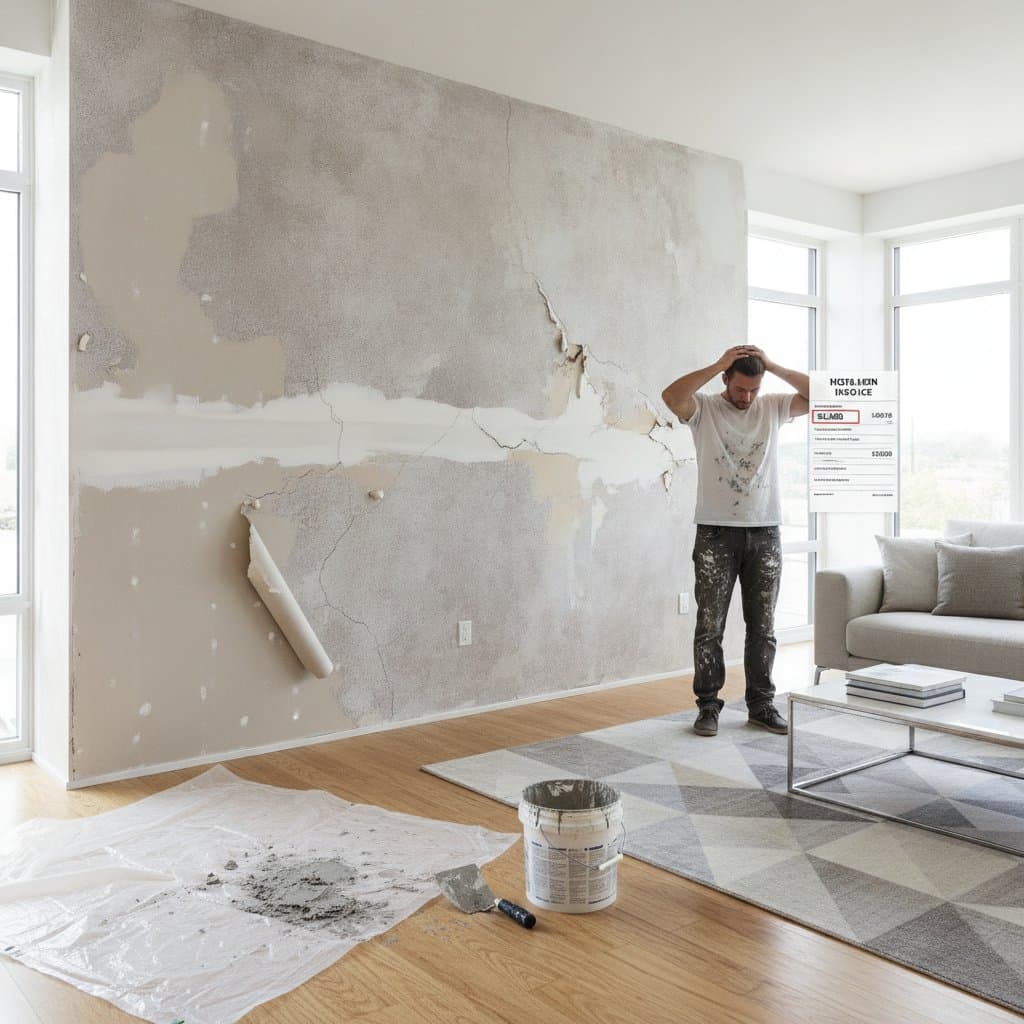
Surface condition plays a major role; walls needing repairs or sanding demand extra labor. Both finishes require matte, clean surfaces for uniform results, and inadequate prep risks unevenness or failure, raising future costs.
Application methods vary: limewash bonds via a mineral base with thin, brushed layers, while clay paint allows brushing, rolling, or troweling, with textures increasing effort. High-quality limewash uses aged lime putty, and premium clay features rich minerals; sourced materials elevate prices but enhance outcomes.
Skilled professionals ensure success, as limewash involves chemical reactions and clay demands crack prevention. Regional factors like humidity affect drying and coats; limewash suits humid areas with its antibacterial traits, potentially saving on maintenance.
Cost Ranges by Finish
| Finish Type | Basic Range | Standard Range | Premium Range | Key Differences |
|---|---|---|---|---|
| Limewash | $3.50–$5.00 | $5.00–$6.50 | $6.50–$8.00 | Basic: pre-tinted; standard: custom blends; premium: layering and sealers |
| Clay Paint | $4.00–$5.50 | $5.50–$7.00 | $7.00–$8.25 | Basic: flat tones; standard: light texture; premium: sculpted blends |
Comparing Limewash and Clay Paint
Composition and Properties
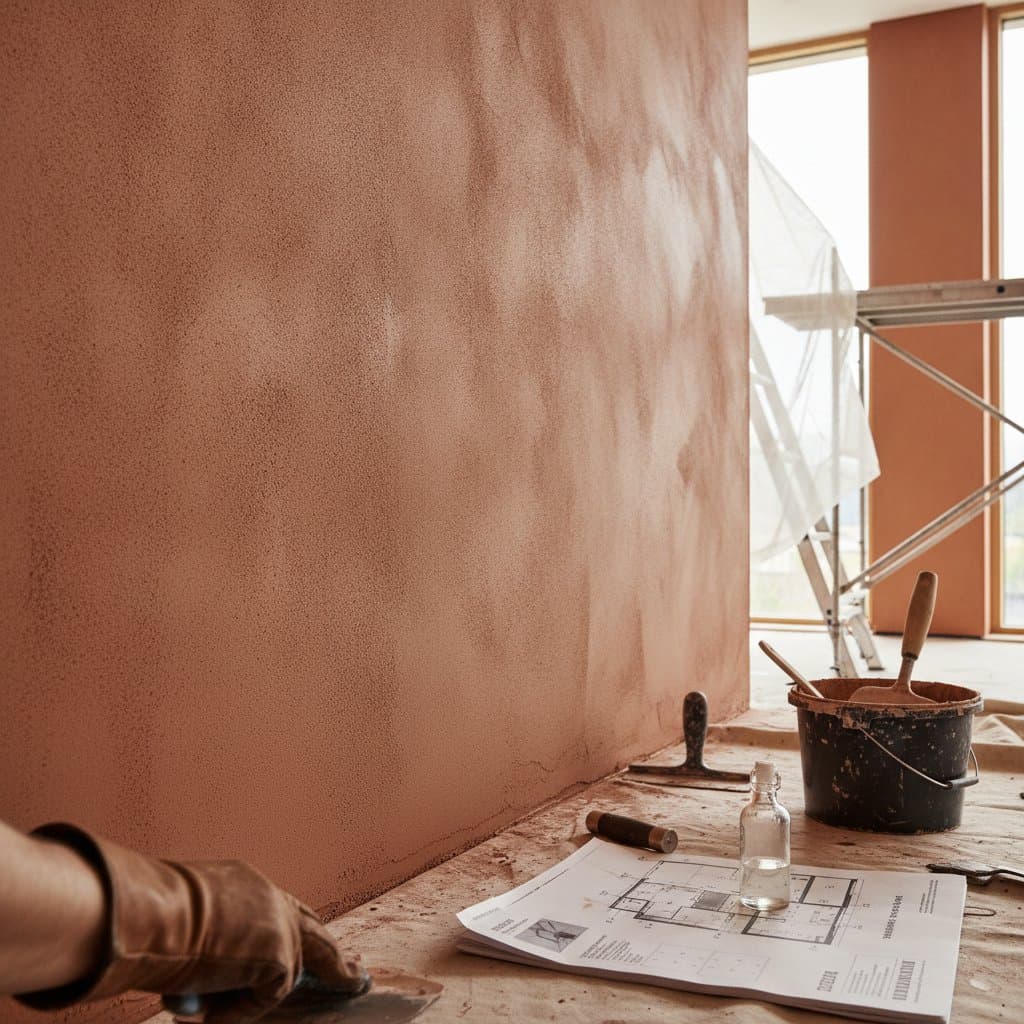
Limewash derives from slaked lime, water, and pigments, creating a breathable, antibacterial bond on mineral surfaces. Clay paint blends natural clays, minerals, and binders for a velvet texture that manages humidity.
Both promote air quality by allowing moisture escape, curbing mold. Limewash thrives on plaster or masonry in older homes; clay paint adapts to drywall.
Durability and Care
Limewash strengthens via carbonation, lasting 15–20 years with minimal upkeep. Clay paint, softer in traffic zones, endures 10–15 years and refreshes easily without removal.
Aesthetics and Application
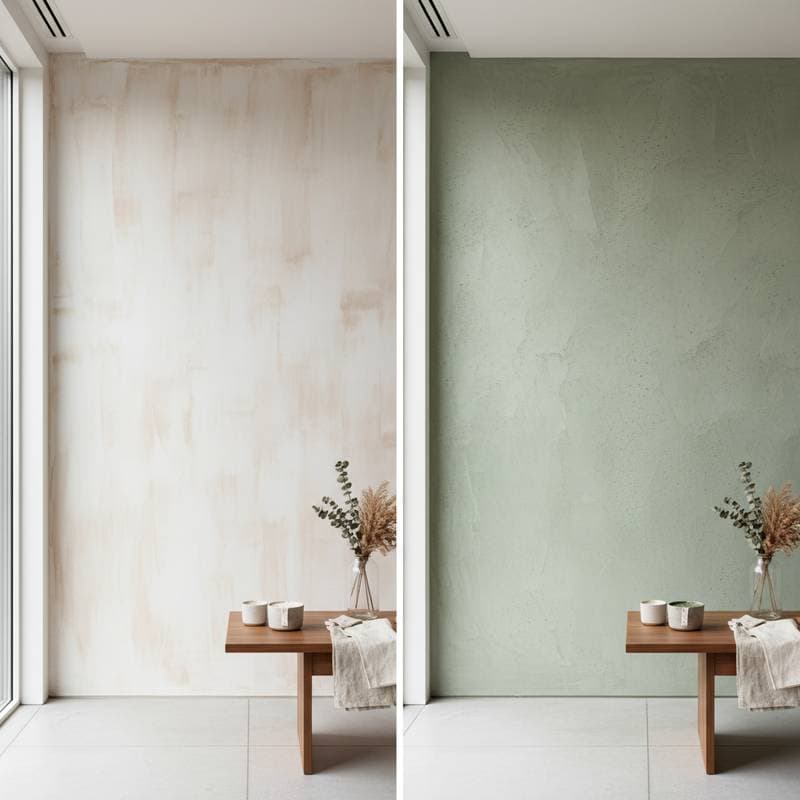
Limewash yields chalky, luminous variations for subtle depth. Clay paint delivers warm, tactile earthiness in deeper hues. Limewash suits skilled applicators on compatible surfaces; clay paint forgives beginners yet shines with pro texturing.
Value Comparison
| Feature | Limewash | Clay Paint |
|---|---|---|
| Longevity | 15–20 years | 10–15 years |
| Breathability | Excellent | Excellent |
| Eco-Impact | Carbon-neutral curing | Low-energy production |
| Maintenance | Low | Moderate |
| Texture | Subtle, luminous | Warm, earthy |
Limewash offers superior longevity; clay paint provides versatile colors. Selection hinges on texture needs, surfaces, and upkeep willingness.
Strategies to Reduce Expenses
- Prepare surfaces independently by cleaning and sanding to cut labor.
- Select pale shades for fewer coats and lower material use.
- Mix DIY base layers with pro finishing for textured areas.
- Purchase bulk materials for volume discounts on large jobs.
- Time projects for off-season rates when painters have availability.
Budgeting for Your Project
Accurate wall measurements form the basis; multiply by per-square-foot rates for materials. Allocate 10–15 percent extra for surprises like repairs.
Seek itemized quotes detailing labor, materials, and prep to spot savings opportunities.
Sample Budget for 350 sq. ft. Limewash
| Category | Estimated Cost |
|---|---|
| Materials | $1,000–$1,400 |
| Labor | $700–$1,000 |
| Prep/Primer | $200–$350 |
| Total | $1,900–$2,750 |
Adjust for condition, texture, and quality; simpler finishes keep costs down.
Professional Application vs. DIY
Professionals deliver uniform results, precise colors, and ideal prep. Clay paint eases DIY with latex-like application, though mixing matters. Limewash challenges novices due to substrate needs and timing.
Cost Breakdown
| Approach | Limewash | Clay Paint |
|---|---|---|
| DIY Materials | $1.50–$3.00 | $2.00–$3.50 |
| Professional | $3.50–$7.50 | $4.00–$8.25 |
DIY cuts costs significantly but requires practice; pros suit high-visibility rooms.
Aesthetic and Quality Benefits
Limewash fights fungi naturally, suits masonry, ages with patina, and brightens softly. Clay paint regulates moisture, spans rich palettes, fits drywall, and varies from smooth to sculpted.
These finishes craft authentic, responsive walls that elevate interiors.
Upkeep and Endurance
Dust limewash gently or wipe with damp cloths; refresh with diluted layers over time. Patch clay paint seamlessly in spots. Maintain humidity balance and skip abrasives to extend life.
Current Design Directions
Trends highlight organic textures, wellness, and nature ties via muted, tactile elements. Limewash enhances minimalist or Mediterranean schemes with airy patterns. Clay paint warms rustic, modern, or bohemian settings, grounding light-filled rooms.
Steps to Launch Your Finish Project
Assess walls, style goals, and care preferences first. Consult painters versed in mineral coatings. Test swatches on-site in natural light for true tone and feel. Calculate quantities minding pigment variations.
These enduring, eco-conscious options transform walls into vibrant, healthy features for sustainable homes.
Common Questions
What costs should I expect for limewash or clay paint?
Professional limewash runs $3.50–$7.50 per square foot; clay paint $4.00–$8.25. Totals vary by texture, prep, and details.
What drives expenses in these finishes?
Prep, techniques, coats, and material quality lead; custom work boosts both labor and supplies.
How to lower costs?
Self-prep, light colors, off-season timing, bulk buys, and hybrid DIY-pro approaches help.
DIY or hire out?
Clay paint favors DIY for its ease; limewash benefits from pros for technical demands.
Handling extra costs?
Budget 10–15 percent buffer; use detailed quotes to monitor.
Optimal project timing?
Choose mild weather for curing; off-peak seasons yield deals.