Is $800 Level 5 Drywall Worth the Smooth Finish Upgrade?
A perfectly smooth wall can make a room feel refined and contemporary, but achieving that flawless surface often requires a premium finish known as Level 5 drywall. Many homeowners hesitate when they see a quote for around $800 or more, wondering whether the investment truly pays off. Understanding what goes into Level 5 finishing, how costs are structured, and when it delivers the most value can help you make an informed decision.
Level 5 Drywall Cost Overview
A Level 5 drywall finish typically ranges from $2.50 to $4.50 per square foot, depending on materials, labor, and surface complexity. For an average-sized room, homeowners usually spend $700 to $900, which aligns with the typical $800 estimate often quoted by contractors for a professional finish.
This pricing includes the full taping and mudding process, multiple coats of joint compound, sanding, and a final skim coat that eliminates even the slightest texture. The result is a surface ready for high-end paint or lighting that highlights every detail.
Average Cost Ranges by Project Size
- Small Room (10x10 feet): $500 - $700
- Medium Room (12x15 feet): $700 - $900
- Large Room (16x20 feet): $1,000 - $1,400
Cost Breakdown per Square Foot
| Cost Component | Range per Square Foot | Description |
|---|---|---|
| Materials | $0.75 - $1.25 | Joint compound, primer, and skim coat materials |
| Labor | $1.50 - $2.75 | Skilled finishing, sanding, and polishing |
| Preparation | $0.25 - $0.50 | Surface cleaning, taping setup, and masking |
| Additional Factors | $0.25 - $0.75 | Repairs, difficult access, or specialty finishes |
These numbers reflect full professional service, including the expertise required to produce a seamless surface that hides joints and imperfections completely.
Factors Affecting Level 5 Drywall Costs
Several variables influence whether your $800 project estimate is realistic or if you might pay more. Understanding these cost drivers helps set accurate expectations before the first coat of compound goes on.
1. Room Size and Surface Area
Larger walls require more material and labor. A single 4x8 drywall sheet covers 32 square feet, so even a small increase in wall height or ceiling area can significantly impact total cost. Measure your walls precisely to get an accurate quote.
2. Existing Wall Conditions
If the drywall already shows cracks, dents, or uneven joints, additional preparation will raise expenses. A rough or poorly taped surface might need extra layers of compound before the final skim coat, adding hours of skilled labor. Inspect your walls beforehand and note any issues for the contractor.
3. Finish Quality Goals
A Level 5 finish is already the highest standard, but some homeowners request extra sanding or polishing to achieve a mirror-smooth surface under specific lighting. These refinements can add 10 to 20 percent to overall costs. Specify your lighting setup during consultations to avoid surprises.
4. Accessibility and Room Layout
Vaulted ceilings, stairwell walls, or tight corners make application more challenging. Labor time increases when professionals must use scaffolding or specialty tools to reach difficult areas. Walk through the space with your contractor to highlight access challenges.
5. Regional Labor Rates
Labor costs vary by location. Urban areas or regions with limited drywall specialists often charge higher hourly rates. In contrast, smaller markets may offer lower pricing if competition is higher. Research local rates through contractor associations or online forums.
6. Timing and Market Demand
Busy seasons for contractors can influence quotes, particularly when high demand limits availability. Scheduling work during slower months may help secure better pricing. Aim for winter or early spring bookings in most regions to negotiate lower rates.
Detailed Cost Analysis by Finish Category
| Finish Type | Basic Range | Standard Range | Premium Range | Key Differences |
|---|---|---|---|---|
| Level 3 Finish | $1.50 - $2.25 | $2.00 - $2.75 | $2.50 - $3.25 | Suitable for textured walls, minor imperfections visible |
| Level 4 Finish | $2.00 - $3.25 | $2.75 - $3.75 | $3.00 - $4.00 | Standard smooth surface for most homes |
| Level 5 Finish | $2.50 - $4.00 | $3.00 - $4.25 | $3.50 - $4.50 | Full skim coat for flawless, light-reflective surfaces |
A Level 5 finish commands a premium because it requires multiple layers of compound, expert sanding, and precise application under controlled lighting conditions to achieve perfect flatness. This level ensures no shadows or seams appear, even in demanding environments.
Understanding the Level 5 Process
A key reason the price sits around $800 or more per room is the meticulous process required. Here is what that includes:
-
Initial Taping and Mudding: Joints between drywall panels are taped, then covered with multiple layers of joint compound. This step secures the seams and builds a base for smoothness.
-
Feathering and Sanding: Each coat is feathered wider than the last, then sanded smooth to eliminate ridges. Professionals use fine-grit sanders to avoid damaging the surface.
-
Final Skim Coat: A thin layer of compound is spread across the entire surface, filling microscopic imperfections that would otherwise show through paint. This coat is applied with wide trowels for even coverage.
-
Priming and Inspection: Once dry, the surface is primed and inspected under direct lighting to ensure a uniform, shadow-free appearance. Any minor flaws are addressed immediately.
Each step demands precision and patience, which is why the labor portion of the cost is often higher than the materials themselves. Expect the full process to take 3 to 5 days for a standard room.
Value and ROI Considerations
Spending $800 for a Level 5 finish may seem steep compared to a less refined Level 4 finish, but the investment can deliver long-term value in several ways.
1. Enhanced Aesthetic Appeal
Smooth, even walls reflect light beautifully and provide a clean canvas for paint or wallpaper. High-end homes and modern interiors often rely on this finish to achieve a sophisticated, seamless look. It transforms ordinary spaces into elegant ones.
2. Better Paint Results
Premium finishes amplify imperfections if the underlying drywall is uneven. The Level 5 skim coat minimizes visible seams, ensuring paint appears uniform across the entire surface. Choose paints that complement the finish for maximum impact.
3. Long-Term Durability
The extra compound layers strengthen the drywall surface, reducing the chance of cracking or denting over time. Repairs are also easier since the surface is already smooth and consistent. This resilience holds up well in high-traffic areas.
4. Improved Resale Appeal
Buyers notice quality wall finishes, especially in spaces with strong lighting or open layouts. A flawless finish can subtly increase perceived property value and make interiors more marketable. Highlight this upgrade in listing descriptions.
5. Reduced Maintenance Over Time
Smoother walls resist dirt buildup and are easier to clean without scuffing. Over the years, this can offset part of the initial cost. Regular dusting keeps the surface looking pristine longer.
Cost Comparison: Level 4 vs. Level 5
| Feature | Level 4 | Level 5 |
|---|---|---|
| Number of compound coats | 3 | 4 or more including skim coat |
| Smoothness | Good | Perfectly smooth |
| Best for | Moderate lighting or textured paint | Bright lighting or glossy paint |
| Cost per square foot | $2.00 - $3.50 | $2.50 - $4.50 |
| Average room cost | $600 - $750 | $700 - $900 |
| Ideal use | Standard rooms | High-visibility areas and luxury interiors |
If your walls will be painted with a matte finish and have minimal direct lighting, Level 4 is often sufficient. For rooms with accent lighting, large windows, or glossy paint, Level 5 provides a noticeably better outcome. Test lighting conditions in the space to decide.
Money-Saving Strategies
While Level 5 drywall finishing is a premium service, several approaches can reduce cost without sacrificing quality.
1. Request Partial Upgrades
Consider using Level 5 only on feature walls or ceilings exposed to direct light. Standard finishes can be used on other walls to balance cost and quality. This targeted approach saves 20 to 30 percent on larger projects.
2. Handle Basic Preparation Yourself
Homeowners who clean surfaces, remove outlet covers, and handle minor patching before professionals arrive can save on labor fees. Focus on tasks like vacuuming dust and protecting floors. Leave complex taping to experts.
3. Schedule During Off-Peak Periods
Drywall contractors often offer better rates during slower months when demand is lower. Planning ahead can secure more favorable quotes. Contact multiple pros early to lock in dates.
4. Compare Multiple Estimates
Get at least three quotes from reputable contractors who specialize in high-level finishes. Pricing transparency helps identify fair market rates. Ask for breakdowns to compare apples to apples.
5. Select Durable Paint Finishes
A high-quality primer and paint protect the finish, extending its lifespan and reducing the need for touch-ups later. Opt for low-VOC options that adhere well to skim-coated surfaces.
Planning Your Budget
When budgeting for a Level 5 drywall finish, factor in both direct and indirect costs. A practical approach involves:
-
Estimating Total Wall Area: Multiply the height by the width of each wall to calculate square footage. Include ceilings if they will receive the same finish. Use online calculators for quick estimates.
-
Adding a Contingency Buffer: Set aside an extra 10 to 15 percent for unexpected repairs or material adjustments. This covers surprises like hidden damage.
-
Evaluating Lighting Plans: Stronger lighting may reveal imperfections, so budget for the finish level that suits your design. Mock up lighting to assess needs.
-
Considering Long-Term ROI: Smooth finishes reduce repainting frequency, saving money over years of maintenance. Calculate savings based on your home's lifespan.
-
Balancing Quality and Cost: Choose premium finishes for visible rooms and standard finishes for less-used spaces. Prioritize based on daily use.
Professional vs. DIY Considerations
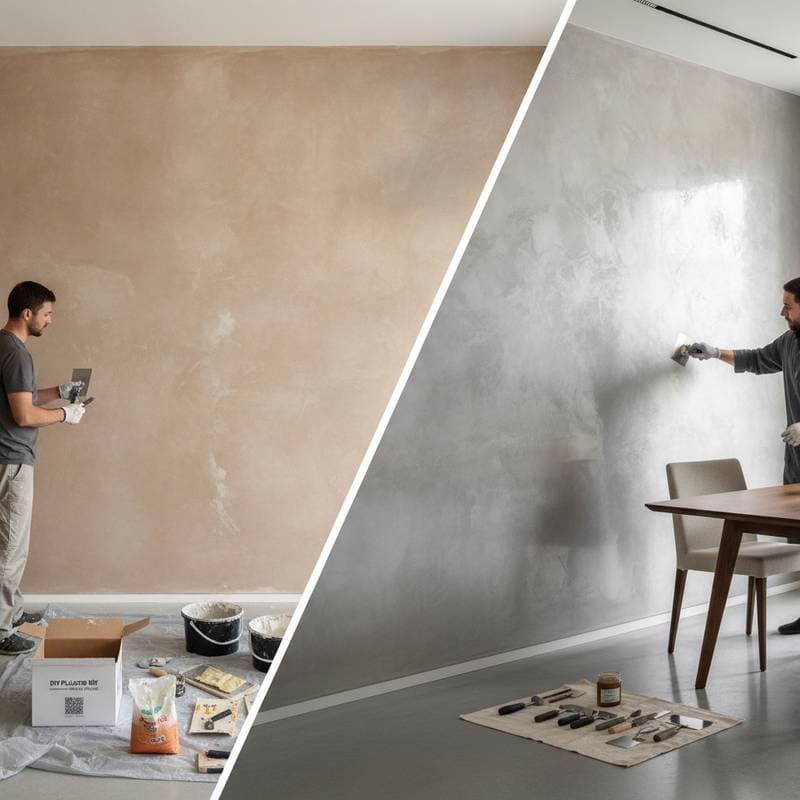
Some homeowners wonder if they can achieve Level 5 results without hiring professionals. While technically possible, the process demands advanced skill and specialized tools.
DIY Advantages
- Lower direct labor costs
- Control over timing and materials
- Opportunity to learn finishing techniques
Practice on small areas first to build skills.
DIY Challenges
- Requires multiple layers of precise compound application
- Time-intensive, often taking several days
- High risk of surface imperfections under lighting
- Difficult sanding and cleanup without professional equipment
Hiring professionals ensures consistency across large surfaces and saves time. The expertise of experienced finishers often justifies the extra cost, particularly for visible areas or resale preparation. Weigh your skill level against the project's scale.
Getting Started with Your Project
Before committing to the $800 upgrade, evaluate your design goals and the environment of each room. If your home features large windows, accent lighting, or glossy paint, Level 5 finishing will produce a noticeable improvement in smoothness and elegance. For rooms with softer lighting or textured finishes, a Level 4 surface might deliver enough value at a lower cost.
Discuss your expectations with a qualified drywall contractor, review samples of previous work, and confirm what each cost estimate includes. Clear communication ensures the final result matches your vision without financial surprises. Start by sketching your room layout and noting key features.
Frequently Asked Questions
What is the average cost for Level 5 drywall finishing?
Most homeowners spend between $2.50 and $4.50 per square foot, or about $700 to $900 per room, depending on labor rates and room conditions. This includes all compound layers, sanding, and a complete skim coat for a flawless surface. Adjust for your specific square footage.
When is Level 5 drywall worth the extra cost?
Level 5 shines in rooms with bright lighting, glossy paints, or modern designs where seams could distract. It adds value for resale in high-end markets. Skip it for low-light areas with matte finishes to save money.
How long does a Level 5 finish take to complete?
Expect 3 to 5 days for a standard room, including drying time between coats. Larger or complex spaces may take a week. Factor in weather, as humidity affects drying.
Can I do Level 5 drywall myself?
It is possible with practice, but results often fall short without pro tools. Rent sanders and buy quality compound to improve chances. For best outcomes, hire specialists.
What makes Level 5 different from Level 4?
Level 5 adds a full skim coat for ultimate smoothness, ideal for light reflection. Level 4 suffices for most homes but may show faint lines under scrutiny. Choose based on your room's lighting.
When is the best time to start a drywall finishing project for the lowest costs?
Contractors often offer better rates during slower seasons or between major renovation cycles. Booking early and allowing flexible scheduling can help secure lower bids while maintaining high-quality workmanship. Target off-peak months like January or February.