Understanding the Dopamine Decor Trend and Its Impact on Home Values
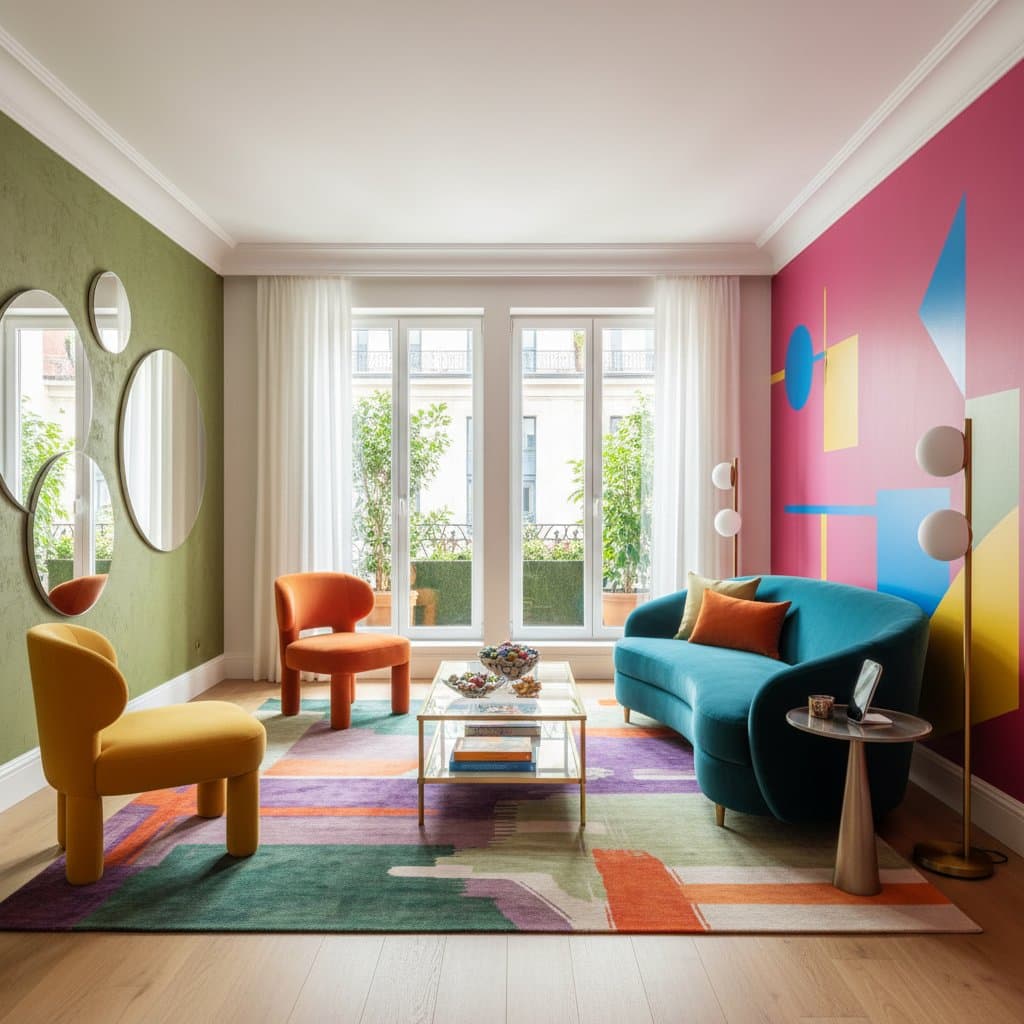
Home design increasingly prioritizes emotional well-being alongside visual appeal. Dopamine decor emphasizes bold colors, lively patterns, and personal touches that trigger positive feelings. This style transforms ordinary rooms into energizing retreats, fostering a sense of happiness and vitality.
Beyond immediate enjoyment, these vibrant updates influence market perceptions. Potential buyers gravitate toward properties that exude freshness and personality. Real estate experts project that well-executed dopamine decor could add up to $9,000 to a home's value by 2026, driven by demand for uplifting, modern interiors. This guide details the elements, costs, and strategies to achieve such gains while creating spaces that resonate on a personal level.
Key Factors Influencing Dopamine Decor Project Costs
Implementing dopamine decor involves several variables that determine overall expenses. Understanding these helps in budgeting effectively and selecting options that align with financial goals.
1. Paint Quality and Finish Selection
High-quality paints ensure bold colors maintain their intensity over time. Opt for brands with high pigment density, which provide superior coverage and resistance to fading. These formulations often include low-VOC options for healthier indoor environments. In contrast, budget paints might require three or more coats, elevating material and labor costs by 20 to 30 percent.
2. Design Complexity and Color Layering
Simple applications, such as a single bold hue across walls, keep expenses lower. Intricate designs like ombre effects or stenciled patterns demand skilled application, adding precision work. For instance, a basic color refresh in a standard bedroom might total $1,200, whereas incorporating layered accents or murals could increase that figure by $500 to $1,000 per room.
3. Surface Preparation Requirements
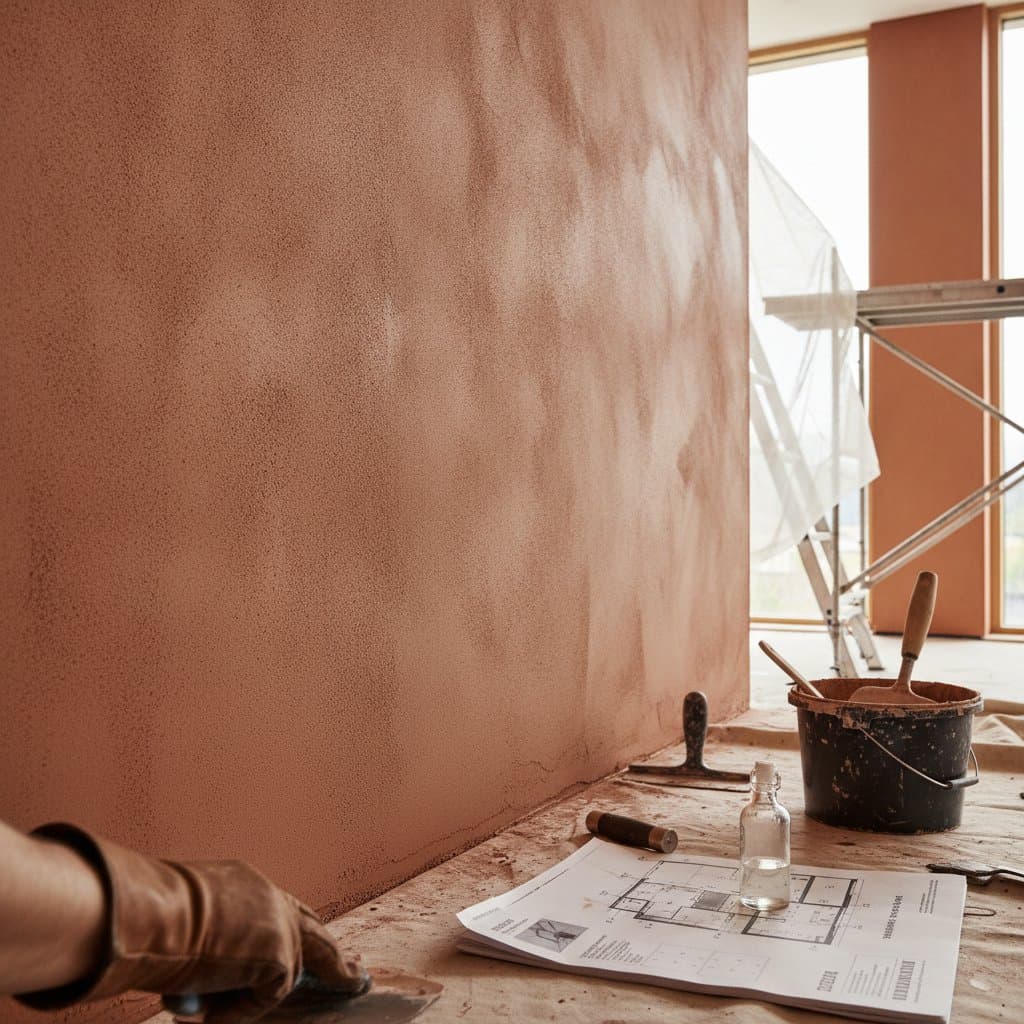
Proper prep work forms the foundation for flawless results. In homes with textured or aged walls, tasks like scraping loose paint, filling cracks, and applying primer become essential. This step typically costs $1.50 to $2.50 per square foot but prevents issues like peeling that could undermine the vibrant look. Skipping it risks uneven absorption of bright pigments, leading to patchy appearances.
4. Room Dimensions and Architectural Features
Larger areas naturally incur higher charges due to increased surface coverage. A compact 10x10 bathroom may require $800 in painting alone, while expansive living areas with vaulted ceilings could exceed $4,500. Account for additional elements like trim, doors, and cabinetry, which multiply the scope of work.
5. Professional Expertise Versus Self-Application
Professionals bring tools and techniques for precise edges and uniform finishes, particularly vital with saturated shades. Their fees cover insurance and warranties, justifying the investment for high-stakes projects. DIY efforts suit minor updates, such as refreshing a single accent piece, but demand practice to avoid drips or color mismatches that diminish the intended joy.
The Science Behind Color Choices and Emotional Responses
Dopamine decor draws from psychology, where specific hues stimulate brain responses associated with pleasure. Vibrant oranges and sunny yellows energize social areas, encouraging interaction. Cooler tones like teal or lavender soothe private spaces, promoting relaxation without overwhelming the senses.
Strategic placement amplifies these effects. Position warm colors on walls facing north windows to counteract dim light, making rooms feel brighter. Neutral floors and furnishings ground the palette, allowing bold walls to shine. Homebuyers often cite these dynamic interiors as reasons for premium bids, as they signal a thoughtful, lived-in quality that stands out in listings.
Practical Strategies to Minimize Expenses
Achieving a dopamine-inspired refresh does not require excessive spending. Targeted approaches maximize visual punch while controlling budgets.
- Prioritize high-visibility zones: Refresh the entryway or dining area first, where colors create lasting first impressions for guests and buyers.
- Employ accent techniques: Select one focal wall per room for intense color, pairing it with crisp whites or grays to extend the design's reach without full coverage.
- Handle accessible tasks in-house: Paint small items like bookshelves or frames using sample pots to test shades before committing to larger areas.
- Mix product tiers wisely: Reserve premium paints for statement surfaces and use reliable mid-range options for ceilings or less-noticed spots.
- Time projects strategically: Schedule during winter or early spring, when contractors face lighter workloads and offer 10 to 20 percent discounts on services.
Selecting Colors That Enhance Long-Term Appeal
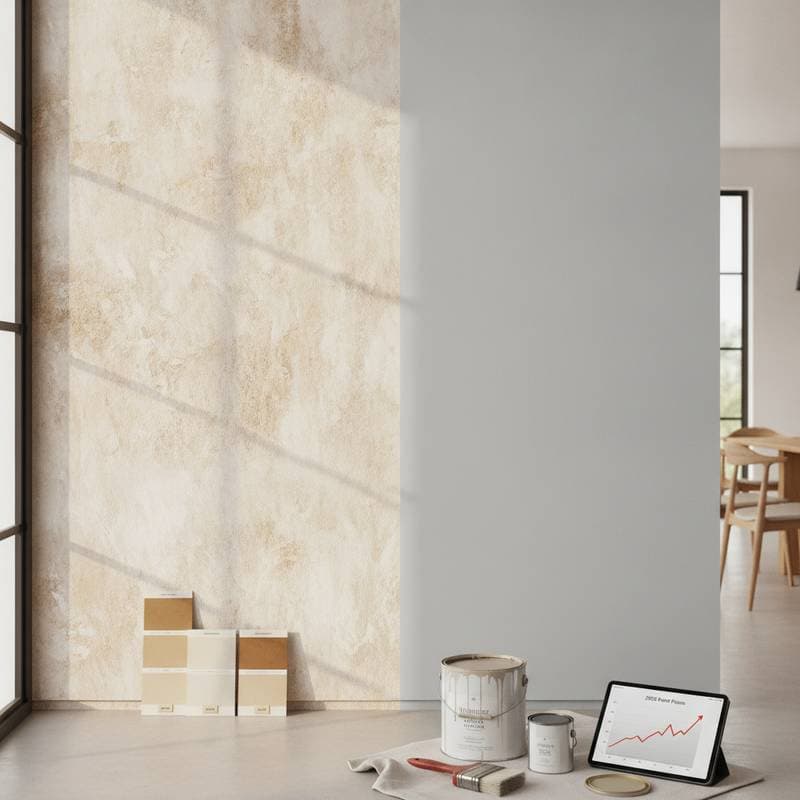
Personal taste guides color selection, yet timeless balance ensures enduring value. Test samples in natural and artificial light to observe shifts throughout the day. Combine high-saturation accents with organic materials, such as woven rugs or potted plants, to soften intensity and add depth.
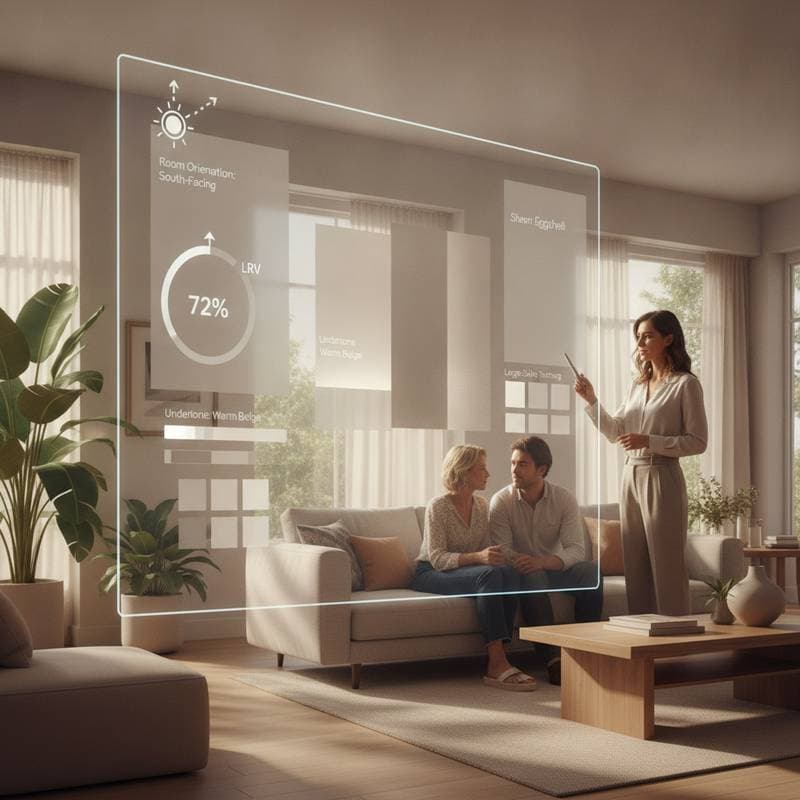
Consult swatch books or digital tools to visualize combinations. For family homes, blend playful pops with versatile neutrals to accommodate evolving needs. This thoughtful curation not only boosts immediate mood but also positions the property favorably in competitive markets.
Frequently Asked Questions
What Does a Typical Dopamine Decor Project Cost?
Projects for two to three rooms generally range from $3,000 to $9,000, encompassing materials, labor, and minor accents. Extensive overhauls with bespoke elements like custom murals may surpass $15,000, influenced by home size and detail level.
Which Elements Most Affect Project Expenses?
Paint grade, prep extent, color variety, and space scale drive costs significantly. Adding consultations or specialty finishes further elevates totals. Streamlined designs with fewer hues prove more economical without sacrificing vibrancy.
How Can Costs Be Reduced While Preserving Impact?
Opt for partial wall treatments over complete repaints, select cost-effective paints for background areas, and perform simple DIY elements like trim updates. Off-season timing secures better pricing from service providers.
Is Professional Help Essential, or Can DIY Suffice?
Experts excel in delivering polished outcomes for ambitious scopes, handling prep and application with efficiency. DIY works well for contained efforts, provided one invests time in techniques to match pro-level precision.
How Should One Prepare for Potential Extra Expenses?
Allocate 10 to 15 percent of the budget as a buffer for surprises like structural fixes or shade adjustments. Obtain detailed estimates from multiple sources to identify and mitigate hidden fees upfront.
When Should One Initiate a Dopamine Decor Update for Optimal Savings?
Target periods of low demand, such as late fall, for reduced rates. Early planning allows securing appointments and potentially negotiating package deals.
Realizing Value Through Joyful Interiors
Dopamine decor offers more than surface-level changes; it cultivates environments that nurture well-being and financial returns. By integrating bold elements with practical planning, homeowners create spaces that delight daily and command higher market prices. Start with a single room to experience the transformation, building confidence for broader applications that pay dividends in comfort and equity.