Introduction to Sanding Between Coats
Sanding between coats represents a critical yet often overlooked step in painting projects. Statistics indicate that over 60% of DIY enthusiasts fail to achieve professional-level smoothness because they bypass this process. Proper sanding enhances paint adhesion, creates an even texture, and ensures long-term durability, preventing issues such as peeling or uneven sheen.
The reasons for failure vary, but common pitfalls include poor timing, incorrect grit choices, inadequate cleanup, and improper techniques. Addressing these elements transforms ordinary results into exceptional ones. Simple tools and consistent practices make the difference between amateur attempts and polished finishes.
Essential Tools for Effective Sanding
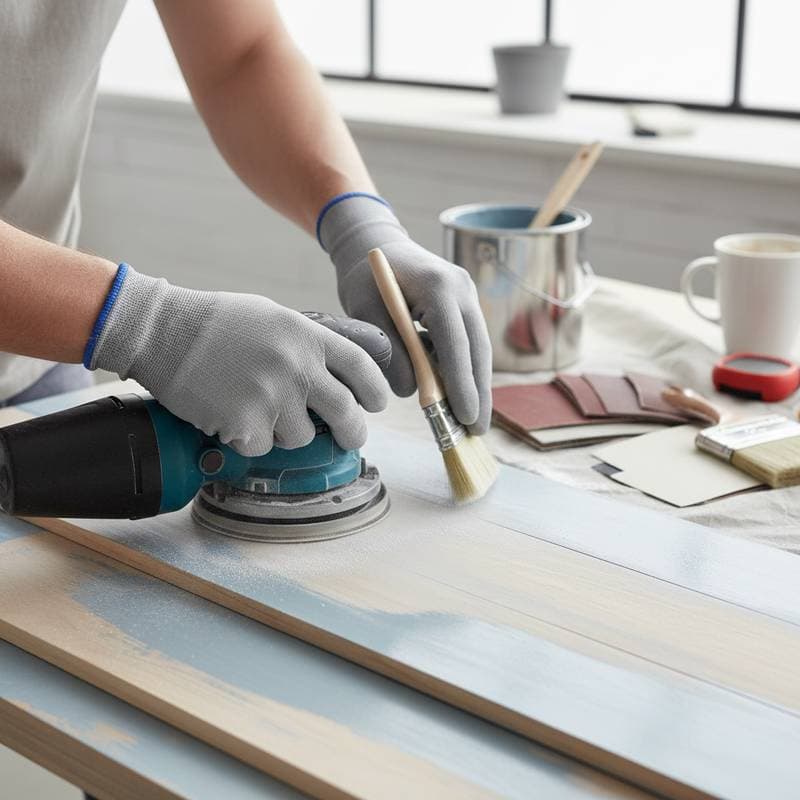
Selecting the right tools simplifies the sanding process and improves outcomes. Sanding screen pads prove ideal for drywall applications between coats; they endure repeated use and rinse easily for reuse.
Other options include sanding sponges for curved or detailed areas and folded sheets of fine sandpaper for precision work. Each tool serves a specific purpose. A folded piece of fine paper, applied with care, can produce a flawless finish in tight spaces.
Step-by-Step Guide to Sanding Between Coats
This refined process draws from extensive experience across diverse projects, including high-pressure television sets and precise residential work.
-
Allow the coat to dry completely. Test the surface with a light touch; it should feel dry and slightly warm, without tackiness. If sandpaper clogs rapidly, extend the drying time.
-
Select appropriate grit. Begin with 220 grit for standard interior paints. Advance to 320 or 400 grit for high-gloss finishes or cabinet enamels.
-
Apply light, even pressure. Move the sandpaper in overlapping strokes. The objective involves smoothing imperfections without removing significant paint.
-
Target problematic areas. Address corners, drips, and roller marks with additional care. Folded sheets or sponges facilitate access to these spots.
-
Perform thorough cleaning. Vacuum debris first, followed by wiping with a tack cloth or damp rag. Inspect under raking light to confirm the absence of dust.
-
Verify surface uniformity. The prepared area appears dull overall, free from shine or patches. Re-sand any glossy sections.
-
Proceed with the next coat. Employ a high-quality brush or roller; the paint applies more evenly after proper sanding.
Tips for Specific Materials
Adapting techniques to the substrate ensures optimal results across surfaces.
Wood
Water-based paints cause wood fibers to raise after the initial coat. Use 320 grit to restore smoothness with a light pass. Sand parallel to the grain to prevent cross-scratches. For stained surfaces, limit sanding to avoid penetrating the color layer.
Drywall
Opt for 220 grit sanding screens, which resist clogging and extend usability. Apply gentle motions over seams and repairs. Excessive pressure risks exposing tape or joint compound. Vacuum meticulously after each coat to prevent dust incorporation.
Metal
Employ ultra-light abrasion with 400 grit or finer paper. The purpose centers on creating a subtle scuff for better adhesion. Clean with a degreaser prior to and following sanding to eliminate residues.
Cabinets
Precision defines cabinet refinishing. Between enamel coats, utilize a 320 grit sanding sponge for a silky texture. Sand flat areas evenly, then feather edges. Inspect under even lighting to detect sheen variations.
Insights from Professional Set Design
Bright lighting in television production amplifies surface flaws, demanding impeccable preparation. These experiences yield practical visual assessment methods.
-
Incorporate side lighting. Direct a lamp or flashlight parallel to the surface; shadows highlight imperfections before painting conceals them.
-
Evaluate by touch. Glide fingertips across the area; a glass-like smoothness signals readiness for the next coat.
-
Sequence tasks strategically. Sand horizontal surfaces last to minimize dust settling on vertical elements.
Such inspections prevent extensive revisions and apply equally to home projects.
Practical Shortcuts for Efficiency
Balancing speed and quality proves essential in everyday scenarios.
-
Dry sanding sponges. These suit rapid scuffing on wall paints, requiring no preparation.
-
Microfiber attachments. Employ them for swift wall dusting before subsequent coats.
-
Workflow optimization. Sand one section while another dries, maintaining project momentum.
-
Grit organization. Mark numbers on sandpaper backs to avoid confusion during application.
Planning integrates efficiency with superior results.
Cost-Effective Strategies for Sanding
Achieving smooth finishes requires thoughtful resource allocation rather than high expenses.
-
Basic approach. Rely on sanding sponges and manual tools, paired with diligent cleaning, to rival professional standards.
-
Moderate investment. Incorporate orbital sanders and dust management systems, suitable for frequent DIY tasks.
-
Advanced setup. Invest in professional sanders with extraction for intricate work like cabinetry or large-scale repaints.
Replace worn materials promptly; fresh sandpaper performs efficiently and reduces overall time.
Pre-Final Coat Inspection
Conduct a brief review before the topcoat application.
-
Angle a light to scan for reflective areas.
-
Detect rough textures or particles by touch.
-
Wipe once more with a clean cloth.
Uniformity confirms preparedness for a seamless final layer.
Resolving Frequent Challenges
Prompt solutions address typical setbacks.
-
Clogged sandpaper. Indicates insufficient drying; extend wait time before resuming.
-
Inconsistent final sheen. Stems from overlooked sanding; lightly abrade and recoat affected zones.
-
Apparent scratches. Result from coarse grit; refine with finer paper and blend edges.
-
Embedded dust. Arises from poor cleanup; re-wipe and apply a thin corrective coat.
Appreciating the Finished Surface
After curing, the even texture reflects diligent preparation. Maintenance simplifies over time, and future repaints benefit from this foundation. Thoughtful steps like sanding elevate designs from ordinary to enduring.