Testing Five Paint Samples: A Strategic Approach to Perfect Color Selection
Selecting the appropriate paint color holds the power to revitalize a home, yet the array of similar shades can prove daunting. Paint samples serve as a vital tool to align expectations with actual results on walls. By applying multiple samples, individuals obtain clear views of tone variations, responses to light, and finish characteristics. This preparatory measure averts expensive errors and fosters enduring contentment with the outcome.
The Importance of Paint Samples
Paint colors seldom match their appearance on small swatches or screens in real environments. Factors such as lighting, surface texture, and adjacent furnishings alter visual perception. Samples enable observation of pigments within the specific space under both natural and artificial illumination. This direct examination provides insights into daily performance that speculation cannot match.
Experts in painting and design employ sampling to eliminate uncertainties. For residents, it functions as a reliable defense against the need for repaints or dissatisfaction from hasty selections. Small test patches disclose nuances in undertones, luster levels, and color depth unavailable from standard color charts.
Determining the Optimal Number of Samples
A single sample offers limited viewpoint. Five samples provide a well-rounded assortment of akin tones alongside divergent choices. Consider a preference for gentle gray: include a cool variant, a warm counterpart, one with blue undertones, another with beige influences, and a neutral mid-range option. Such variety facilitates discernment of fine distinctions and identification of the shade that best integrates with floors, upholstery, and illumination sources.
Restricting to five maintains efficiency without taxing decision-making. Excessive choices may obscure differences, whereas insufficient ones breed doubt. This quantity achieves equilibrium between thorough investigation and concentrated assessment.
Steps for Accurate Sample Application
Proper application yields dependable outcomes. Adhere to these procedures for effective evaluation:
- Clean the wall surface thoroughly and confirm it remains dry and even. Residue or irregularities may warp color views.
- Apply white primer over dark existing colors to neutralize prior influences on sample visibility.
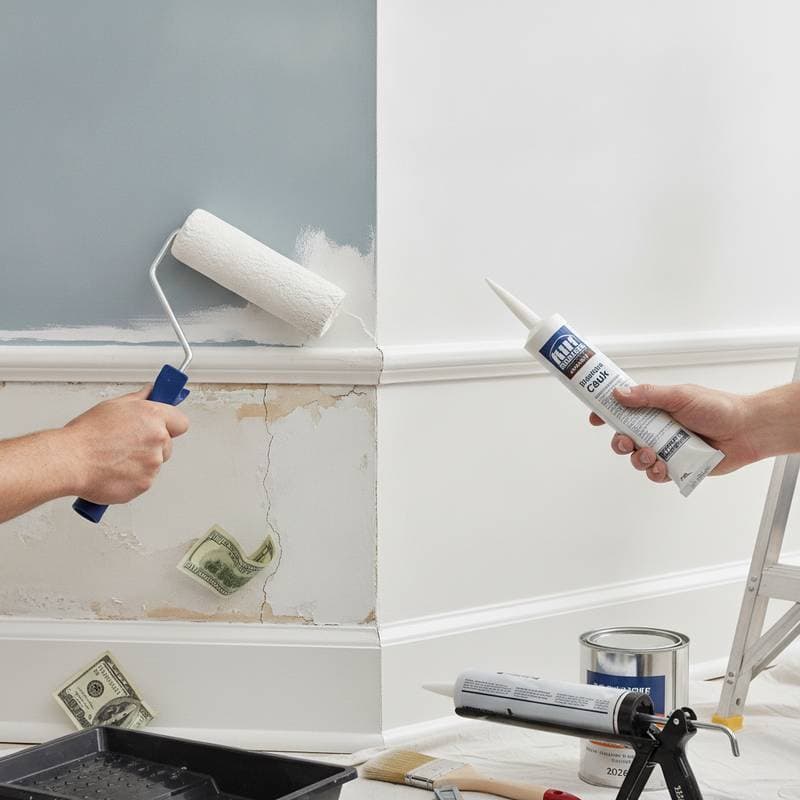
- Coat each sample twice in areas measuring at least one foot by one foot. Position patches adjacent yet separated by narrow spaces.
- Mark each section distinctly for later reference.
- Monitor the samples across multiple days under varying light. Shifts from morning sunlight to afternoon glow or evening lamps can transform perceptions.
Position samples away from edges, moldings, or vividly colored items to prevent reflective distortions. Isolate patches to enable precise side-by-side analysis.
Influences of Lighting and Finish on Color
Illumination significantly shapes paint appearance. Daylight exposes authentic hues, whereas bulbs introduce tonal variations. Incandescent sources accentuate yellow and red elements, and fluorescent ones highlight blue or green aspects. A shade serene by day might turn subdued or stark after dark. Samples reveal these transitions prior to large-scale use.
Finish types further modify results. Flat finishes conceal flaws yet diminish brightness through light absorption. Satin or eggshell variants produce subtle sheens that enhance room luminosity. High-gloss options amplify details and contrasts. Evaluate samples in the desired finish to align with anticipated effects.
Methods for Thorough Evaluation
After drying, assess samples systematically. View from multiple perspectives and ranges. Position nearby elements like fabrics or accessories to gauge interactions. Note emotional responses: certain tones inspire coziness, others vitality or tranquility. Combine visual and instinctive judgments.
For closely competing colors, expand test areas or coat removable boards for relocation. This method permits broader testing against diverse lights and surroundings.
Cost Analysis for Sampling Projects
Typical Expense Categories
- Basic sample testing: $25 to $50
- Comprehensive sampling initiative: $50 to $100
- Advanced sampling with extensive boards: $100 to $200
Standard Inclusions
- Sample pots, typically eight ounces per color
- Tools for application, including brushes and rollers
- Primer to establish neutral bases
- Materials for protection and cleanup, such as tape and drop cloths
Additional Expenses
- Assistance from a professional painter: $50 to $150
- Preparatory work or repairs on surfaces: $30 to $80
- Custom mixes or unique finishes: $20 to $40 per sample
Variables Influencing Total Expenses
| Factor | Impact on Cost | Specific Instances |
|---|---|---|
| Paint brand choice | Elevates material prices | Luxury lines or specialized sheens |
| Wall preparation needs | Extends labor requirements | Rough or flawed surfaces |
| Quantity of samples | Incremental material rise | Additional shades require more supplies |
| Execution approach | Alters labor fees | Professional service versus self-application |
Comparing Professional and Self-Directed Sampling
Homeowners frequently manage sample application independently, suitable for modest undertakings. Professionals, however, deliver expertise on color behavior across surfaces. They ensure uniform coverage, recommend harmonious alternatives, and analyze finish performance in local lighting. For extensive areas or vivid selections, expert involvement justifies the investment.
Self-application reduces expenditures but demands care and accuracy. Irregular layers or incompatible bases produce inaccurate readings. When proceeding alone, execute preparations meticulously and allow full curing periods before final assessments.
Transitioning to the Complete Painting Endeavor
With a confirmed color, document details including brand, sheen, and code for reference. Retain excess paint for maintenance. Coordinate with contractors to match batches precisely, preserving uniformity. These practices secure consistent tones throughout spaces and future repairs.
Samples not only refine choices but also build confidence in the project. This foresight minimizes disruptions and maximizes the transformative potential of fresh paint, yielding a home that reflects personal vision without compromise.
Frequently Asked Questions
How Much Budgeting Is Required for Paint Samples?
Expect allocations from $25 to $100 covering multiple pots and essential materials. Expenses increase with additional colors, larger testing formats, or hired support. Such upfront spending prevents substantial outlays from repainting due to suboptimal selections.
What Duration Is Ideal for Sample Testing?
Examine samples over several days. Light variations from natural to artificial sources alter views. Multi-time assessments uncover subtle undertones absent immediately post-application.
Is Digital Color Simulation Sufficient in Place of Samples?
Digital tools provide ease yet compromise precision. Display settings alter hues inaccurately. Tangible samples capture authentic texture, luster, and environmental interplay.
Does Professional Application of Samples Merit Hiring?
Professionals guarantee consistent coverage and informed critiques. They comprehend surface and light dynamics. Self-application suits simple rooms, but experts enhance accuracy in expansive or intricate settings.
What If Tested Samples Disappoint?
Seek palette variations or minor tone adjustments. Consult painters or advisors for tailored suggestions based on surroundings. Iterative testing often precedes ideal discoveries.
How to Ensure Color Uniformity Post-Selection?
Catalog precise specifications like brand, type, and identifier. Store remnants for corrections. Direct teams to identical formulations, avoiding discrepancies in application or later work.