Introduction to Dustless Sanding Systems
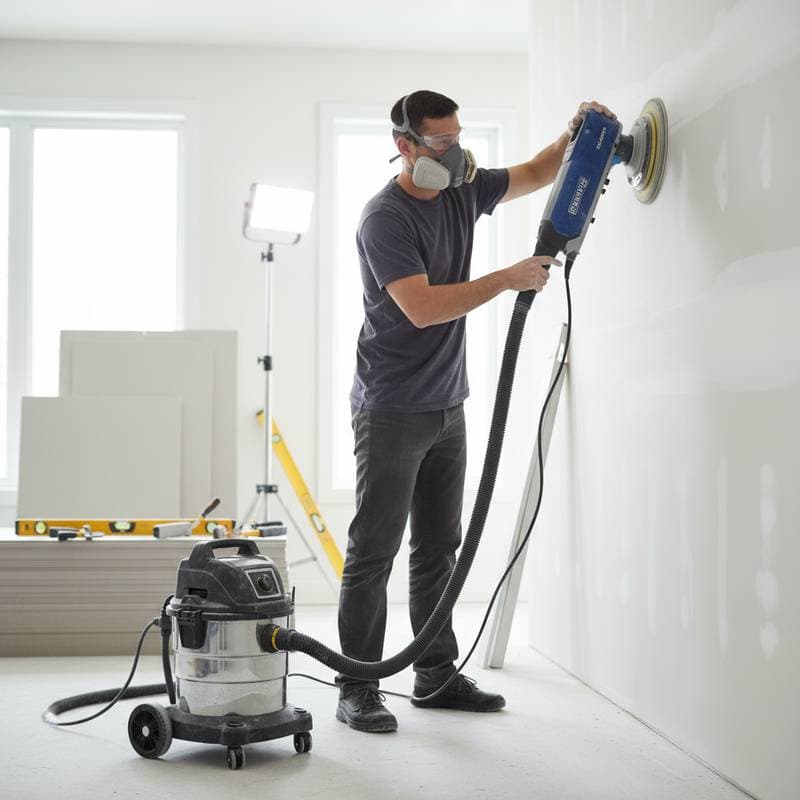
Drywall sanding represents a critical phase in renovation projects, yet traditional approaches generate substantial dust that spreads throughout living spaces. This airborne particulate not only requires extensive cleanup but also poses health risks and delays progress. A dustless sanding system integrates vacuum technology with sanding tools to capture over 90 percent of debris at the source, transforming a chaotic task into a manageable one.
These systems typically include a powerful vacuum, flexible hoses, and specialized sanding heads designed for drywall. For around $800, professionals and homeowners alike access equipment that delivers professional-grade finishes while maintaining cleaner work environments. The initial investment pays dividends through time savings and reduced post-project remediation.
Benefits Compared to Traditional Sanding
Conventional sanding relies on manual tools or basic sanders that expel dust freely into the air. Particles settle on floors, furniture, and HVAC systems, often necessitating days of cleaning after completion. In contrast, dustless systems employ high-efficiency filtration to trap fine particles, preventing their dispersal.
Users report up to 70 percent less cleanup time with these setups. The consistent suction maintains visibility in the work area, allowing for precise control and fewer errors. Additionally, the smoother surfaces achieved reduce the need for multiple touch-ups, enhancing overall project efficiency.
Health considerations further favor dustless options. Fine drywall dust can irritate respiratory systems and eyes, particularly in enclosed spaces. By minimizing exposure, these systems support safer working conditions for extended periods.
Understanding the Costs Involved
The $800 price point positions this system as an accessible entry into professional tools. Complete kits generally encompass a vacuum unit with 5 to 10 horsepower motors, 25 to 50 feet of hose, and interchangeable sanding poles. Variations arise from brand reputation and additional features.
Entry-level models start at $500 but lack robust filtration or durable components. Mid-range options around $800 balance performance and affordability, often including HEPA filters that capture 99.97 percent of particles as small as 0.3 microns. Premium versions surpass $1,200 with variable speed controls and ergonomic designs for heavy use.
Ongoing expenses include replacement discs, filter maintenance, and occasional hose repairs. Sanding discs cost $20 to $50 per pack, while HEPA filters require annual replacement at $50 to $100. Budgeting for these ensures long-term reliability without unexpected outlays.
Factors Influencing Dustless Sanding Expenses
Several elements determine the final cost of a dustless sanding system. Motor strength directly affects suction power; higher horsepower models handle larger jobs but increase the price. Filtration quality, such as HEPA standards, adds to the expense yet provides essential air purification.
Build materials play a role as well. Systems with reinforced hoses and lightweight poles withstand daily use, justifying a higher upfront cost through extended lifespan. Brand choices vary: established manufacturers offer warranties of two to five years, while generics may compromise on durability.
Project scale influences effective costs. For small renovations, a basic $800 unit suffices, but large-scale work benefits from scalable systems with modular attachments. Seasonal promotions or bulk purchases can lower prices by 10 to 20 percent.
Step-by-Step Guide to Using Your System
Preparation sets the foundation for success. Begin by sealing doorways, vents, and outlets with plastic sheeting and painter's tape to contain any escaped particles. Lay drop cloths over floors and remove or cover furniture to protect surfaces.
Attach the sanding head to the pole extension, ensuring a secure fit. Connect the hose to both the sander and vacuum inlet, verifying all seals are tight. Power on the vacuum before starting to establish immediate suction.
Sand in systematic passes. Initiate with 80 to 120 grit discs to level joints and remove ridges. Progress to 150 to 220 grit for smoothing, applying light pressure to avoid gouging the surface. Work from ceiling to floor, overlapping strokes for even coverage.
Monitor the vacuum's performance throughout. Empty the collection canister when it fills to half capacity to preserve airflow. Pause periodically to inspect the drywall for uniformity, adjusting grit as needed.
Maintenance Tips for Longevity
Proper care extends the life of your dustless sanding system. After each use, detach and rinse filters under water, allowing them to dry fully before reinstallation. Wipe down the hose and sanding head to remove residue buildup.
Store the unit in a cool, dry area away from direct sunlight. Coil hoses loosely to prevent kinking, and hang poles vertically. Conduct monthly inspections for wear on moving parts, replacing damaged components promptly.
Regular vacuum maintenance involves checking the motor brush and belt tension. Lubricate connections sparingly with manufacturer-recommended oil. These practices minimize downtime and maintain peak efficiency over years of service.
Frequently Asked Questions
What is the average cost for a dustless drywall sanding system?
Most systems range from $700 to $900 for a complete setup including a vacuum, hose, and sanding head. Entry-level models cost less, while contractor-grade systems with HEPA filtration and stronger suction can exceed $1,000.
What factors have the biggest impact on dustless sanding costs?
Key influences include motor power, filtration type, and build quality. HEPA filters and high-horsepower vacuums elevate prices but improve performance. Durable materials and brand warranties also contribute to higher costs for reliable long-term use.
How does a dustless system improve sanding efficiency?
It captures dust at the source, reducing airborne particles by up to 95 percent. This visibility enhancement allows faster, more accurate work. Cleanup drops significantly, often from hours to minutes per room.
Is a dustless sanding system suitable for DIY homeowners?
Yes, these systems simplify tasks for non-professionals. User-friendly designs with adjustable poles reach high areas easily. The dust reduction makes projects less intimidating, though basic sanding knowledge helps achieve optimal results.
What maintenance is required for the system?
Clean filters after every job and empty the canister regularly. Store in a dry place and inspect hoses for damage. Annual filter replacements ensure consistent suction and air quality.
When is the best time to invest in a dustless sanding system for lowest costs?
Seek deals during off-peak seasons like winter or end-of-year sales. Online retailers often discount tools in spring for renovation prep. Compare prices across multiple vendors to secure the best value on a $800 model.
Maximizing Returns on Your Investment
Integrating a dustless sanding system into your toolkit elevates renovation quality and speed. Homeowners complete projects faster, while professionals handle more jobs annually. The reduction in dust-related hassles translates to less stress and superior outcomes.
Consider pairing the system with quality joint compound and primers for seamless results. Track usage to justify the purchase through time and material savings. Over multiple projects, the $800 outlay proves a strategic choice for efficient, professional finishes.