Sanding Between Coats: Avoid This $800 DIY Blunder
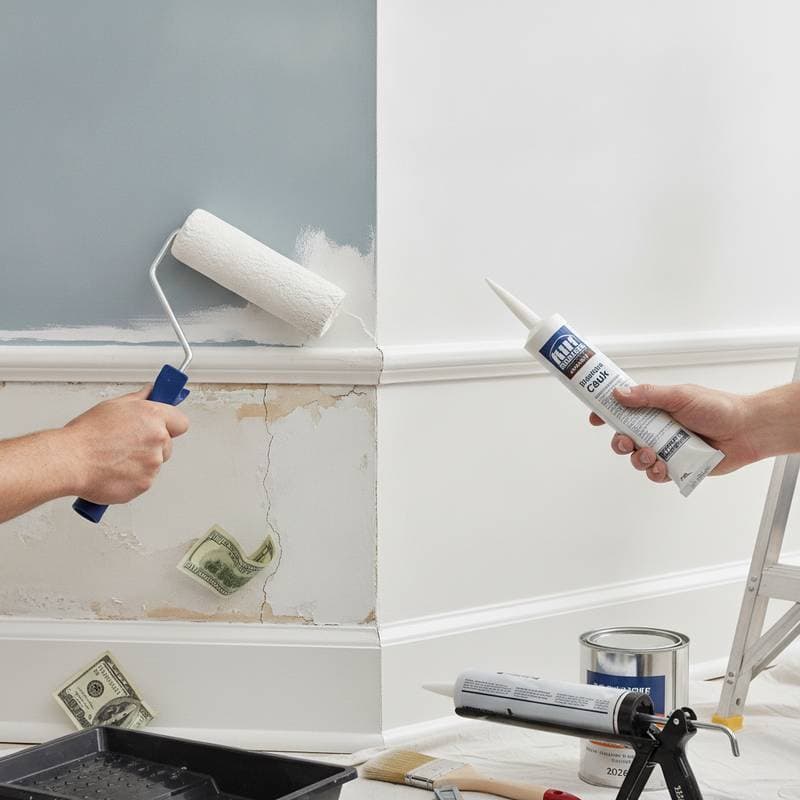
Painting a room or refinishing wood furniture transforms a space with striking results. However, minor errors during the process often lead to significant rework expenses. Homeowners frequently overlook the importance of sanding between coats, a step that ensures a professional appearance and prevents peeling, rough, or uneven surfaces. Neglecting this practice can result in repair costs exceeding $800, as entire surfaces may require stripping and repainting.
This guide explores the reasons sanding between coats proves essential, examines the financial implications of errors, and offers expert techniques for flawless results. Readers gain insights into cost breakdowns, budgeting strategies, and methods to achieve durable finishes without unnecessary expenses.
Why Sanding Between Coats Matters
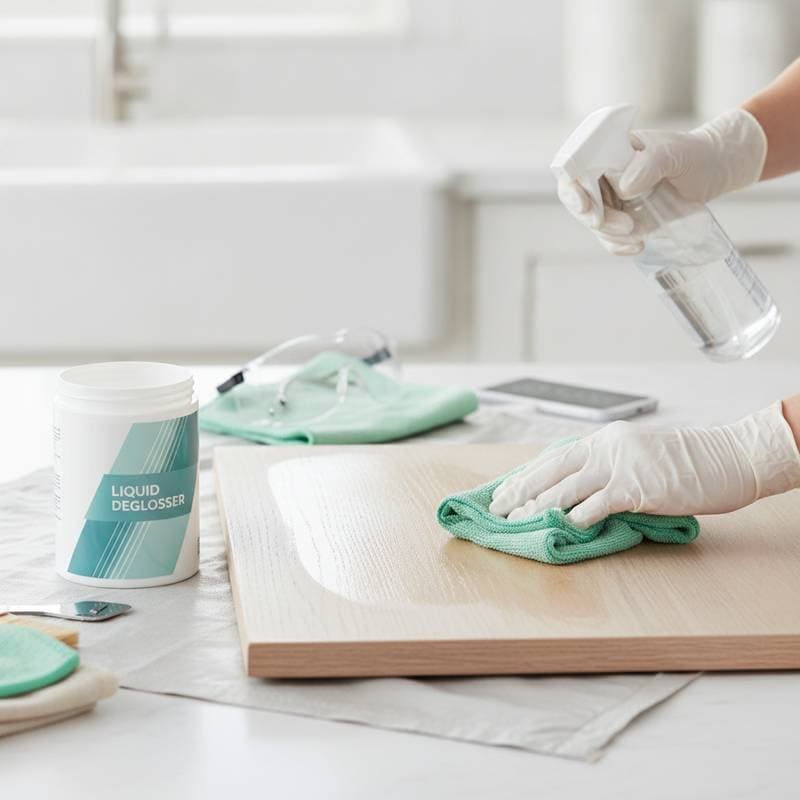
Sanding between coats goes beyond mere smoothing; it establishes a mechanical bond for superior adhesion of subsequent layers. Each pass removes gloss and minor imperfections, allowing the next coat to grip the surface effectively. Without sanding, fresh paint or finish rests on a glossy base, increasing the risk of peeling or chipping over time.
Key benefits include enhanced adhesion, minimized imperfections, smoother textures, and greater durability against cracking or peeling. Professionals emphasize that this step contributes to a finish resembling high-end craftsmanship. Overlooking it leaves visible brush strokes, inconsistent sheen, or fragile layers that fail under normal use, transforming a simple project into a major undertaking.
Detailed Cost Analysis by Project Category
Understanding potential expenses helps in planning and avoiding pitfalls. The following table outlines repair costs when sanding errors necessitate full rework, categorized by project type. These figures account for labor, materials, and surface preparation in typical residential settings.
| Project Type | Basic Range | Standard Range | Premium Range | Key Differences |
|---|---|---|---|---|
| Wall repainting | $300 - $600 | $600 - $1,200 | $1,200 - $2,000 | Depends on wall texture, coat count, and paint quality |
| Cabinet refinishing | $800 - $1,500 | $1,500 - $2,500 | $2,500 - $4,000 | Encompasses sanding, priming, and multiple finish layers |
| Furniture refinishing | $200 - $600 | $600 - $1,000 | $1,000 - $1,800 | Influenced by wood species, intricacy, and protective coatings |
| Exterior surfaces | $1,500 - $3,000 | $3,000 - $5,000 | $5,000 - $8,000 | Heightened by weather exposure, extensive prep, and sanding demands |
Proper sanding increases project costs by only 10 to 15 percent. In contrast, errors can escalate expenses twofold or more through required stripping and reapplication.
Value and ROI Considerations
Proper sanding extends the lifespan of paint or finish, yielding substantial returns on investment. Surfaces treated with care resist wear longer, minimizing the frequency of touch-ups or full repaints. This approach enhances aesthetic appeal, which proves valuable for home resale or personal satisfaction.
Additional advantages encompass prolonged durability, elevated property value through superior finishes, and reduced ongoing maintenance. Experts note that preparation, including sanding, accounts for approximately half the worth of a premium paint job. Allocating resources to this phase upfront averts larger outlays for corrections down the line.
Planning Your Budget
Effective budgeting safeguards against unforeseen costs and promotes high-quality outcomes. Follow these structured steps to estimate expenses accurately for any painting or refinishing endeavor.
Step 1: Define Project Scope
Assess the areas requiring sanding between coats, such as walls, trim, or cabinetry. Each demands specific tools and techniques; for instance, flat walls need broad strokes, while detailed trim requires precision.
Step 2: Estimate Material Costs
Account for sandpaper in varying grits, tack cloths for dust removal, and safety equipment like masks. Budget $30 to $80 for supplies in a standard room, prioritizing fine-grit options (220 to 320) for between-coat work.
Step 3: Add Labor or Time
Obtain itemized quotes from professionals that specify sanding as a distinct task. For DIY efforts, calculate hours needed—typically 1 to 2 per coat—and factor in rework risks if techniques falter.
Step 4: Include a Contingency Buffer
Reserve 10 to 15 percent of the total budget for surprises, such as additional sanding for stubborn imperfections or extra paint.
Step 5: Compare Quality Options
Evaluate paints and finishes; premium products often demand fewer coats and lighter sanding, offsetting initial costs with long-term savings.
Implementing Professional Techniques
Success in home improvement hinges on informed choices balancing expense, effort, and excellence. Sanding between coats serves as a pivotal element in securing sleek, resilient surfaces free from costly revisions.
Confident DIYers can employ a grit progression from 220 to 400, wiping surfaces with tack cloths after each pass, and examining under bright light for uniformity. Larger or intricate tasks benefit from expert intervention, ensuring precision without defect risks. Ultimately, decisions align with skill levels, available tools, and timelines; investing in quality preparation or assistance forestalls $800 setbacks.
Frequently Asked Questions
1. What is the average cost of sanding between coats for a typical home painting project?
Sanding between coats for a standard room repaint adds $50 to $150 to overall expenses. Errors leading to rework, including stripping, priming, and repainting, can inflate costs to $400 through $800.
2. What factors influence sanding costs the most?
Surface material, finish type, coat quantity, and pre-existing condition exert the greatest influence. Glossy or irregular areas demand extended effort, while compromised surfaces require comprehensive sanding prior to repainting. Regional labor rates and project intricacy further affect pricing.
3. How can I save money on sanding between coats without compromising quality?
Select durable sandpaper, handle initial light sanding personally before professional involvement, and sustain a dust-free environment. Opting for high-coverage paints reduces coat numbers and associated sanding.
4. When is the best time to schedule painting that involves sanding between coats?
Choose mild, dry weather to facilitate even drying and prevent moisture entrapment. Off-season periods often yield discounted contractor rates due to lower demand.