Limewash Paint's 340% Surge: The Trend Exploding Now
Limewash paint experiences a massive resurgence, extending beyond mere mentions in design publications. This finish registers a 340 percent increase in popularity on design platforms and social media channels. The appearance delivers softness, natural qualities, and substantial depth. It evokes the essence of a centuries-old European villa combined with a contemporary minimalist aesthetic.
Several factors contribute to the appeal of limewash in the current market. It combines elevated style, environmental sustainability, and distinctive texture. The finish accommodates various budgets, from individuals preparing their own mixtures to professionals selecting custom artisan formulations for high-end installations. The following sections explore the reasons this subtle, chalky application emerges as the predominant trend in painting.
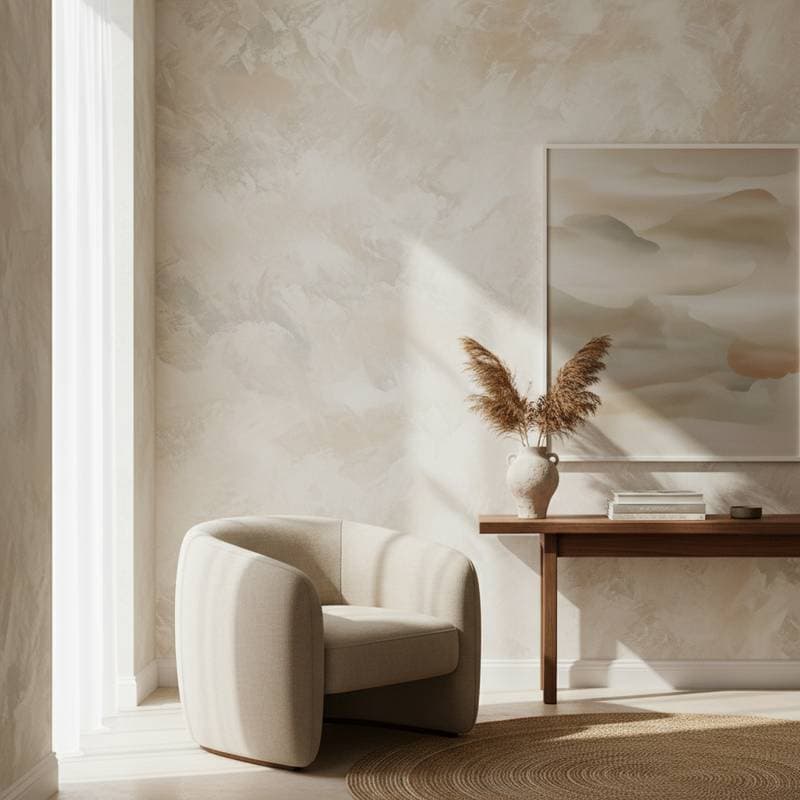
The Look: Soft, Cloudy, and Totally Custom
Each application of limewash produces a unique finish. This variability enhances the enjoyment of the process. The texture arises from the layering and brushing techniques employed.
Key characteristics define the aesthetic:
- Matte Finish: The surface lacks gloss and absorbs light softly, yielding a calming, velvety quality.
- Subtle Movement: Color tones vary, forming a dreamy, clouded effect.
- Depth and Warmth: Even in light shades, the mineral composition imparts richness.
Options range from rustic presentations with evident brush strokes to refined versions achieved through even blending. The finish integrates seamlessly with modern, farmhouse, coastal, or bohemian interiors. Professionals have applied it in urban lofts, where the texture tempers harsh industrial elements.
Materials That Play Well with Limewash
Limewash enhances its visual impact when paired with natural materials. These combinations elevate the overall design.
Recommended pairings include:
- Wood: Elements such as aged oak, walnut, or reclaimed timber introduce warmth.
- Stone: Surfaces like marble, travertine, or slate provide structural contrast to the softness.
- Metal: Accents in brushed brass or matte black offer striking differentiation.
- Textiles: Fabrics including linen, wool, and cotton reinforce the organic character.
In professional settings, such as television production, limewash serves as a backdrop alongside wood and glass elements. This pairing conveys richness while remaining accessible. In residential applications, it fosters a layered, curated atmosphere without appearing contrived.
Color Stories That Shine
Limewash colors possess inherent subtlety and depth. They avoid uniformity and monotony. Current popular palettes encompass:
- Bare Neutrals: Shades of bone, sand, and warm gray establish serene environments.
- Soft Earth: Tones like clay, ochre, and subdued green deliver grounded warmth.
- Deep Romance: Colors such as charcoal, indigo, and plum introduce intensity without reflective sheen.
The mineral pigments in limewash evolve slightly during drying. Professionals recommend testing samples directly on the intended surface, allowing full curing, and observing under various lighting conditions. These shifts contribute to the distinctive allure.
Quick Transformations for Instant Wow
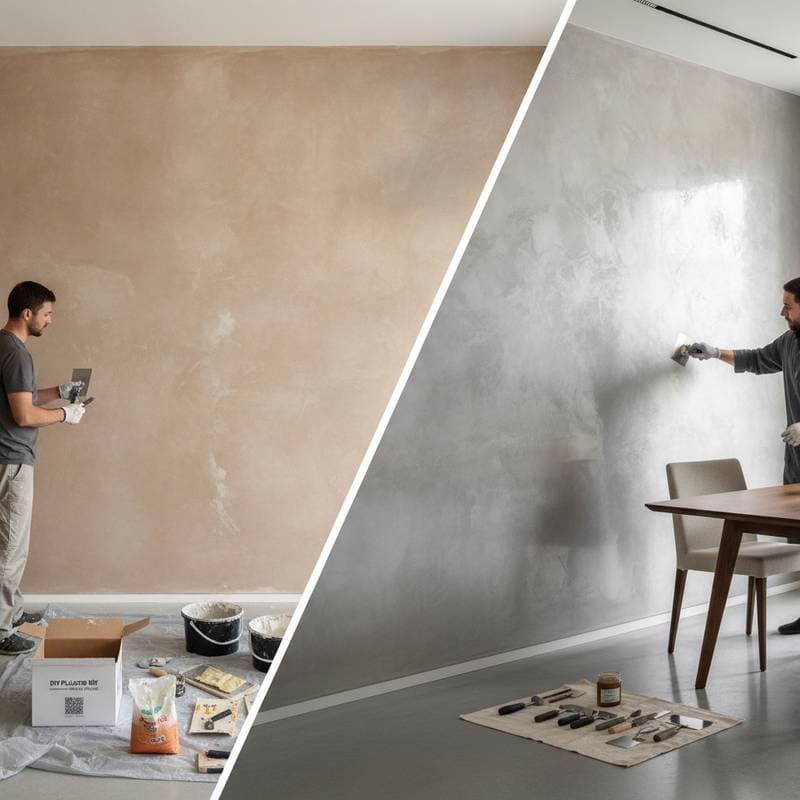
Individuals seeking rapid enhancements can implement straightforward techniques derived from professional set design practices. These methods adapt effectively to home environments.
Effective approaches include:
- Accent Wall Upgrade: Apply limewash to a single prominent wall to alter the room's ambiance immediately.
- Fireplace Refresh: Coat brick surfaces with limewash to achieve a contemporary rustic appearance.
- Cabinet Glow-Up: Use lime paint on cabinet doors or furniture for a textured, vintage effect.
- Ceiling Drama: Install a light limewash on ceilings to diffuse illumination and highlight architectural features.
Such projects yield significant aesthetic improvements with limited expense and disruption. They suit tenants or those undertaking weekend renovations.
Pro Tips for Success
Testing constitutes an essential preliminary step. Apply color samples to the specific surface, as limewash interacts uniquely with different substrates.
Additional recommendations involve:
- Employ natural bristle brushes rather than rollers to achieve the characteristic texture.
- Maintain a damp edge during application to prevent visible seams.
- Safeguard floors and trim meticulously, given that drying limewash releases fine particles.
When engaging professionals, inquire about their expertise with mineral-based finishes. This verifies appropriate surface preparation, application methods, and curing durations for longevity.
Embracing the Lasting Appeal
After installation, limewash walls often prompt inquiries from visitors regarding the surface treatment. The finish captivates through understated elegance and inherent texture, appearing effortlessly aged.
With time, the material matures gracefully. Subtle variations intensify, edges soften, and the space acquires a sense of permanence.
Limewash bridges historical techniques with present-day applications. It conveys craftsmanship while adapting to diverse contemporary settings.
Walls become narrative elements under limewash, revealing stories through visible texture. Individuals can initiate this transformation by selecting tools and materials, allowing the finish to infuse spaces with vitality, permeability, and character.