Is Venetian Plaster Worth the $8,000 Premium Over Drywall?
Venetian plaster stands out as a signature element in upscale interiors, prized for its velvety texture, subtle dimensionality, and light-reflecting surface. Many homeowners contemplating this finish wonder if the substantial additional expense over conventional drywall justifies the investment. The determination hinges on financial constraints, aesthetic preferences, and future plans for the space. By examining the underlying costs, application methods, and enduring benefits, individuals can arrive at an informed choice regarding this sophisticated wall treatment.
Understanding Venetian Plaster Application
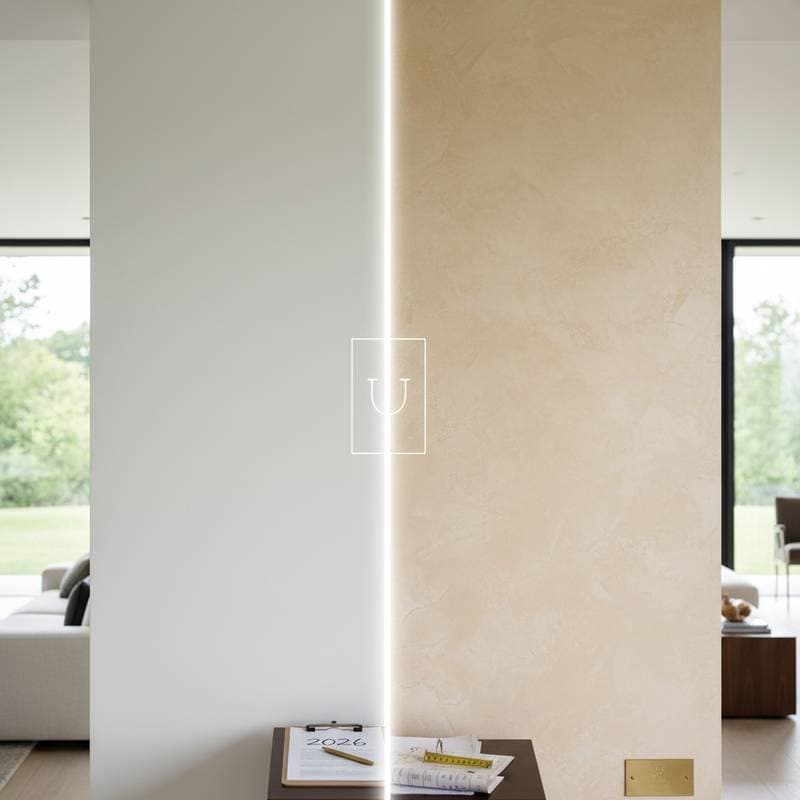
Venetian plaster consists of a blend of slaked lime putty and fine marble dust, formulated to mimic aged stone or polished marble. Artisans apply it in successive thin layers, using flexible trowels to compress and burnish each coat for a seamless, radiant effect. Finishes vary from a subtle, eggshell matte to a mirror-like sheen, depending on the number of layers and polishing intensity.
In comparison, drywall preparation emphasizes a level base for subsequent painting. This includes securing gypsum panels, applying joint compound to seams, sanding for smoothness, and priming the surface. Although drywall accommodates various paints and textures, it lacks the inherent depth and artisanal quality of Venetian plaster.
Detailed Cost Analysis
Typical Pricing Overview
- Standard Venetian plaster installation: $12,000 to $16,000 for an average residential interior
- Conventional drywall with painting: $4,000 to $8,000 for equivalent coverage
- Advanced Venetian plaster variations: $18,000 to $25,000, incorporating bespoke hues, enhanced gloss, or intricate patterns
Core Components of Expenses
Venetian plaster projects encompass thorough substrate preparation, layered application of the plaster mixture, integration of color pigments, meticulous hand-troweling, burnishing for luster, and a final wax sealant for preservation.
Drywall work covers panel mounting or patching, seam taping and mudding, extensive sanding, primer application, and at least two layers of finish paint.
Additional Charges
- Structural fixes or texture corrections prior to plastering
- Tailored color formulations and premium marble aggregates
- Specialized moisture-barrier treatments for humid zones like bathrooms
- Extra fees for elevated surfaces or challenging access points
Key Influences on Total Expenditure
| Factor | Influence Level | Specific Instances |
|---|---|---|
| Substrate Prep | Medium | Patching cracks or smoothing legacy surfaces |
| Material Grade | High | Authentic European lime versus domestic synthetics |
| Design Intricacy | High | Layered effects with metallic infusions |
| Area Dimensions | Medium | Expanded footage or irregular geometries extend labor |
| Artisan Proficiency | High | Master craftsmen command rates for precision |
Reasons for the Elevated Price Tag
The bulk of the cost disparity stems from intensive manual labor. Venetian plaster application calls for expert handling of tools and timing, with each layer requiring full curing before proceeding. Such projects often extend two to three days beyond drywall timelines. Materials contribute further, as natural lime, pulverized marble, and organic tints exceed the affordability of standard compounds and paints.
Durability further offsets initial outlay. Well-maintained Venetian plaster endures for generations with minimal intervention, unlike drywall finishes that demand periodic repainting to combat wear and fading.
Variables That Adjust Pricing
Geographic location and service provider play pivotal roles in final figures. Metropolitan regions with elevated wages reflect higher totals. Opting for synthetic plaster formulations can reduce expenses by 20 to 30 percent, though this compromises breathability and authentic patina.
Desired surface qualities influence budgets as well. Simpler lime washes align with entry-level pricing, whereas marble-emulating polishes necessitate additional passes and refined techniques, elevating charges accordingly.
Project Duration Insights
Venetian plaster endeavors demand extended schedules due to interlayer drying periods.
Standard Schedules:
- Drywall setup and finishing: 3 to 5 days for a standard room
- Venetian plaster execution: 7 to 10 days for comparable areas
Prep work and sealing add further days. Ambient conditions, including humidity, impact lime plaster carbonation rates, potentially prolonging completion.
Professional Installation Versus Self-Application
Required Expertise
Mastering Venetian plaster involves honed craftsmanship and intuitive artistry. Novices frequently encounter inconsistencies in thickness or reflectivity, resulting from improper trowel angles or pressure.
Drywall tasks suit those with basic handyman skills. Corrections prove simpler, supplies remain budget-friendly, and steps follow a linear progression.
Effort and Equipment Needs
Basic drywall efforts utilize everyday items like putty knives, orbital sanders, and paint applicators. Venetian plaster demands precision instruments such as tempered trowels, sturdy mixers, and safety apparel. Amateurs may invest twice the professional's time to achieve passable outcomes.
Health and Sustainability Considerations
Lime-based plasters offer eco-friendly profiles with low emissions. Their caustic nature, however, requires protective measures against skin or respiratory irritation. Experts ensure safe practices, including adequate airflow during operations.
Deciding on the Ideal Finish
Selections balance visual appeal, endurance, and fiscal realities.
Opt for Venetian plaster when:
- Seeking enduring sophistication with tactile richness.
- Committing to long-term residency to reap maintenance savings.
- Valuing bespoke, eco-conscious craftsmanship.
Select drywall and paint for:
- Versatile, contemporary aesthetics amenable to updates.
- Economical coverage across broad areas.
- Short-term occupancy with anticipated alterations.
A balanced tactic involves applying Venetian plaster selectively to high-impact zones like foyers or feature walls, pairing it with painted drywall elsewhere. This approach concentrates luxury benefits without exhaustive spending.
Selecting and Engaging Contractors
The choice of specialist profoundly affects outcomes and expenses. Engage only those versed in traditional lime techniques.
Evaluation Steps
- Solicit client testimonials and visual examples. Review installations mirroring your vision.
- Confirm credentials and protections. Ensure valid licenses and liability coverage for plaster specialties.
- Obtain detailed bids. Prioritize breakdowns distinguishing supplies from workmanship.
- Inquire on sourcing. Reputable providers disclose origins of premium limes and aggregates from Italy or similar locales.
- Define upkeep and assurances. Seek warranties addressing potential flaws like fissures.
Steer clear of low bids alone; expertise minimizes rework for uniform, resilient results.
Project Readiness Measures
Prior to commencement, vacate the area and coordinate details with the team. Safeguard adjacent elements from particulates and impacts. For lime applications, sustain balanced indoor moisture to facilitate curing.
Anticipate temporary inconveniences from tooling noises and residues. Regular updates on advancements and end-of-day tidying foster smooth collaboration.
Post-installation, permit full hardening before surface interactions. Optional wax layers enhance resilience in active spaces.
Upkeep and Enduring Performance
Venetian plaster thrives with minimal care, preserving its allure over decades. Routine maintenance includes soft brushing to remove dust and occasional damp cloth wiping with neutral solutions. Steer clear of harsh abrasives that might dull the patina.
To revive subdued areas, gently re-burnish with a clean trowel or apply fresh wax sparingly. In moisture-prone settings, annual inspections prevent subtle degradation. Such practices extend the finish's lifespan far beyond conventional paints, often eliminating the need for full renewals.
Realizing Lasting Value
Investing in Venetian plaster elevates living spaces with unmatched character and resilience. Weigh the premium against the joy of a hand-forged ambiance that ages gracefully. For those prioritizing quality over quick fixes, this finish delivers returns through aesthetic satisfaction and practical longevity.
Frequently Asked Questions
Why does Venetian plaster command such a higher price than drywall?
The premium arises from exacting labor and superior components. Hand-applied layers demand skilled timing and tools, prolonging the process. Natural lime, marble dust, and pigments surpass the simplicity and cost of joint compounds and standard paints.
How long does a Venetian plaster installation typically require?
Expect one to two weeks for a moderate room, factoring in prep and curing phases. Drywall equivalents conclude in under seven days. Elaborate designs or expansive layouts may add days.
Is self-applying Venetian plaster feasible for homeowners?
While possible, amateur efforts rarely match expert finesse. Achieving even compression and luster requires practiced intuition. Subpar results often necessitate professional remediation, inflating overall costs.
How can homeowners identify a suitable Venetian plaster contractor?
Prioritize specialists with documented lime expertise. Examine references, inspect prior sites, and verify certifications. Probe specifics on materials, customization, and prep protocols.
What disruptions occur during Venetian plaster work?
Prepare for auditory and particulate disturbances with restricted access. Teams deploy barriers and perform daily cleanups. The surface evolves, gaining depth as it sets over initial days.
What upkeep does Venetian plaster demand?
Employ light dusting and non-abrasive cleaning agents. Refresh luster via targeted polishing or waxing as needed. With consistent care, it withstands decades absent major interventions.