Why Sanding Between Coats Ensures a Flawless Paint Job
Premium paint demands careful application to achieve a smooth, even surface. Without proper preparation, even high-quality products can result in bumps, uneven texture, or premature wear. The key practice that elevates a standard paint job to professional standards involves sanding between coats.
This method removes minor imperfections and creates an ideal bonding surface for subsequent layers. Professionals rely on it to ensure durability and visual appeal. Readers can apply these principles regardless of experience level to protect their efforts and materials.
Benefits of Sanding for Paint Durability
Investing in quality paint requires steps that maximize its performance. Sanding between coats enhances mechanical bonding, where each layer adheres firmly to the previous one. A glossy or debris-laden surface hinders this process, leading to peeling or chipping over time.
Light abrasion creates microscopic texture, or tooth, that allows new paint to grip effectively. This results in a finish resistant to daily wear, such as scratches from furniture or fading from sunlight. Surfaces treated this way maintain their appearance for years, reducing the need for frequent repaints.
In high-traffic areas like kitchens or hallways, this preparation proves especially valuable. It minimizes visible damage and preserves the investment in both materials and labor. Consistent application across projects yields reliable, long-term results.
Step-by-Step Guide to Sanding Between Coats
Effective sanding requires attention to timing, tools, and technique. Follow this sequence for optimal outcomes on wood, drywall, or previously painted surfaces.
-
Allow full drying time. Consult the paint manufacturer's guidelines, typically 2 to 4 hours for latex paints. Test by touching an inconspicuous area; the surface should feel firm and non-tacky.
-
Select appropriate sandpaper grit. Begin with 220-grit for most interior paints to avoid damaging the underlying layer. Progress to 320-grit for finer finishes on trim or cabinets.
-
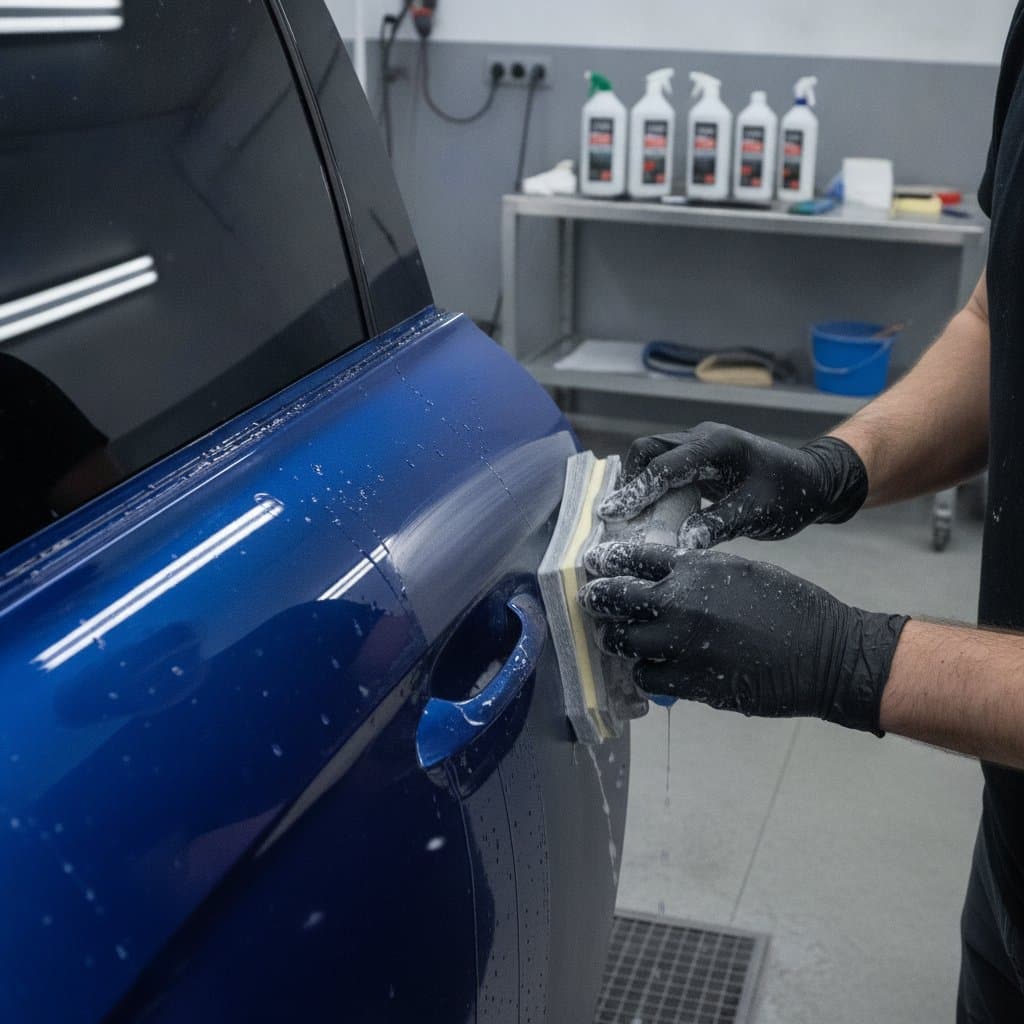
Apply even, light pressure. Use a sanding block or sponge to prevent uneven wear. Sand in circular motions for flat areas and along the grain for wood to maintain surface integrity.
-
Remove all dust particles. Vacuum the area first, then wipe with a tack cloth or damp microfiber towel. Ensure no residue remains, as it can embed in the next coat and create defects.
-
Examine the surface closely. Use angled lighting, such as a flashlight, to check for uniformity. The sanded area should appear matte and consistent before proceeding.
This process takes minimal time but significantly improves the final outcome. Repeat for each coat, adjusting grit as needed for the project's demands.
Pitfalls to Avoid During Sanding
Common errors can compromise the entire paint job. Awareness of these issues helps maintain quality from start to finish.
-
Neglecting thorough cleaning. Leftover dust acts as a contaminant, forming raised bumps under fresh paint. Always combine vacuuming with wiping for complete removal.
-
Choosing incorrect sandpaper grit. Coarse grits, like 120, risk gouging the surface, while overly fine ones, below 220, may not provide sufficient adhesion. Match grit to the paint type and surface.
-
Applying excessive force. Heavy pressure can thin the coat or expose primer, creating visible lines. Maintain a feather-light touch to level without removal.
-
Sanding before complete dryness. Wet paint smears easily, leading to patchy adhesion. Patience here prevents rework and ensures structural integrity.
-
Overlooking detailed areas. Edges, corners, and crevices demand careful attention to promote even bonding. Use folded sandpaper or small tools for precision.
By sidestepping these mistakes, painters achieve a seamless, resilient finish. Regular checks during the process reinforce best practices.
Advanced Techniques for Professional Results
Professionals in demanding environments, such as film sets or commercial spaces, employ refined methods to perfect surfaces. These approaches adapt well to home projects seeking superior quality.
Test the finish under varied lighting conditions after sanding. Rake a light across the surface at a low angle to reveal subtle imperfections like holidays or orange peel texture. Address any issues with targeted re-sanding before coating.
For accelerated workflows, opt for sanding sponges over traditional paper. They conform to irregular shapes and minimize dust. In multi-coat applications, perform an initial 220-grit pass after primer drying, followed by 320-grit before the topcoat. This layered preparation builds a robust foundation.
In humid climates, extend drying intervals slightly to account for slower evaporation. For oil-based paints, which cure harder, use 280-grit to balance smoothness and grip. These adjustments tailor the technique to environmental factors.
Essential Tools and Preparation Tips
Equipping properly streamlines the sanding process and enhances safety. Gather 220- and 320-grit sandpaper sheets, a flexible sanding block, tack cloths, and a shop vacuum with a brush attachment.
-
Pre-sand with vacuum assistance. This captures particles at the source, preventing airborne spread.
-
Secure sandpaper evenly. Wrapping it around a foam or rubber block distributes force uniformly, reducing hand fatigue.
-
Organize grits by stage. Designate colors or containers for primer, base, and topcoat sanding to prevent cross-contamination.
-
Protect respiratory health. A fitted dust mask filters fine particles, especially during extended sessions.
-
Verify evenness with reflections. Hold a light source to observe straight, uniform lines across the surface, indicating balanced abrasion.
These habits elevate efficiency and precision. Invest in quality tools for repeated use across projects.
Maintaining Your Finished Surface
A well-sanded paint job simplifies ongoing care. The smooth texture repels dirt and fingerprints, allowing quick cleaning with mild soap and water. Vibrancy persists longer, with colors resisting dulling from UV exposure or abrasion.
Touch-ups become infrequent due to strong interlayer bonds. Minor scuffs blend seamlessly upon repainting, preserving the original aesthetic. This durability extends to high-use zones, where surfaces endure without showing wear.
Incorporate sanding into every painting endeavor to honor the materials and effort invested. The result is a refined, enduring finish that enhances any space.