Why Light Reflectance Value Will Transform Home Lighting in 2026
Homeowners often select paint colors based on hue and finish alone, yet one essential element shapes the perceived brightness of a space. That element is Light Reflectance Value, or LRV. By grasping LRV, individuals can design interiors that distribute light effectively, fostering comfort and efficiency during renovations or updates.
Understanding Light Reflectance Value
Light Reflectance Value quantifies the percentage of light a paint color reflects, ranging from 0 to 100. A score of 0 indicates pure black, which absorbs all light, whereas 100 signifies pure white, reflecting all light. Typical paint shades occupy the middle ground of this spectrum.
This metric allows precise predictions of color behavior under varying illumination. High-LRV paints brighten rooms and promote an expansive feel, while low-LRV options cultivate intimacy or drama. Designers rely on LRV to align colors with specific lighting scenarios.
The Role of LRV in Room Illumination
Surfaces throughout a room influence light diffusion. High-LRV walls bounce light back into the space, diminishing reliance on overhead fixtures and supporting energy savings. Darker walls, by contrast, retain light, yielding a compact, enclosed vibe.
Natural light amplifies LRV's importance. Dimly lit areas gain vitality from elevated reflectance levels. Sun-drenched rooms, however, benefit from moderate LRV to temper intensity and avoid overwhelming glare. Strategic selection harmonizes light with structural elements and decor.
Integrating LRV into Paint Choices
Paint swatches may look alike in store lighting but diverge on walls. Consider two grays: one at LRV 65 radiates openness, the other at 35 casts subtle shadows, despite shared undertones. Such variances dictate spatial perception.
Experts match LRV across connected areas for seamless transitions. Aligning reflectance in adjacent rooms preserves light continuity. Layering high and medium LRV shades delineates functional zones while avoiding stark divides.
Project Cost Breakdown
Average Cost Ranges
- Basic painting project: $2,000 - $3,000
- Standard project: $3,000 - $5,000
- Premium project: $5,000 - $8,000
What's Included
- Labor for surface preparation and painting
- Primer and two coats of high-quality paint
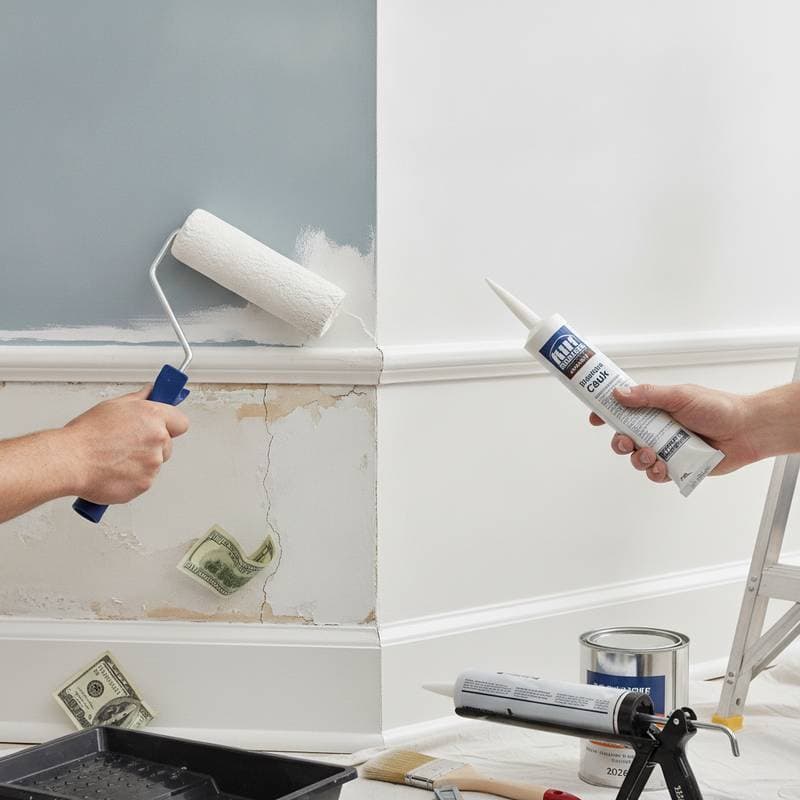
- Minor wall repairs and caulking
- Cleanup and finish inspection
What Costs Extra
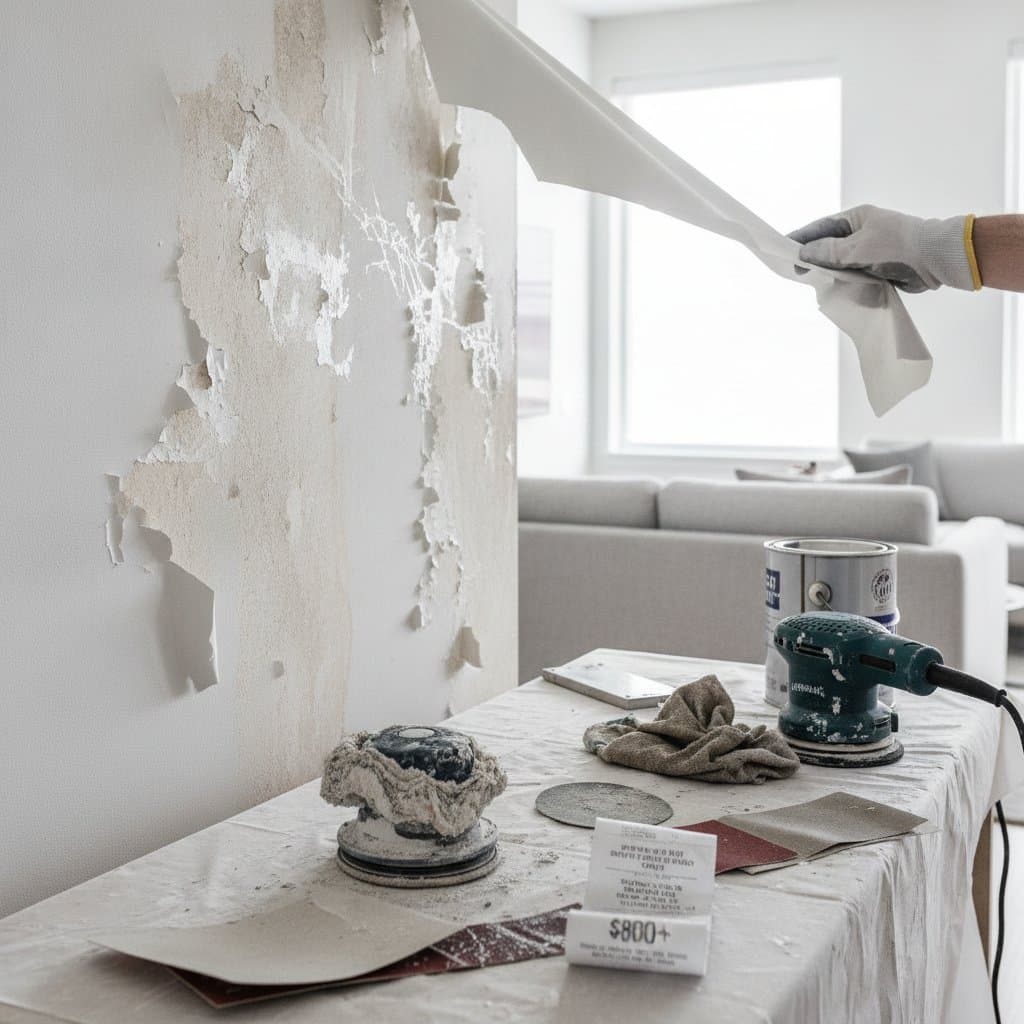
- Extensive drywall repair or texture removal
- Specialty finishes such as matte or metallic coatings
- Color consultation services for LRV optimization
- Ceiling or trim painting beyond the main wall areas
Factors That Affect Final Cost
| Factor | Cost Impact | Examples |
|---|---|---|
| Paint quality | Moderate | High-performance reflective paints cost more but last longer |
| Room size | High | Larger spaces require more materials and labor |
| Surface condition | Moderate | Damaged walls need patching and sanding |
| Lighting layout | Low | Adjustments may be needed to balance brightness |
Variables Impacting LRV Effectiveness
Multiple elements alter how LRV manifests post-application:
- Lighting type: Warm-toned bulbs mellow high-LRV vibrancy, whereas cool bulbs amplify it.
- Room orientation: North-facing interiors, often cooler, require elevated LRV to offset scant sunlight.
- Finish selection: Glossy sheens redirect more light than matte ones, elevating a shade's practical reflectance.
- Surface texture: Flat walls distribute light uniformly; rough textures diffuse it, dimming overall brightness.
Account for these dynamics to forecast real-world outcomes beyond sample cards.
Applying LRV Across Room Types
Tailor LRV to each area's demands:
- Living rooms: Opt for mid- to high-LRV shades to foster relaxation and spaciousness.
- Bedrooms: Mid-range values blend illumination with soothing warmth.
- Kitchens and bathrooms: Elevated LRV enhances hygiene views and task lighting.
- Basements or hallways: Superior reflectance counters low natural light.
Consistent LRV application ensures cohesive aesthetics without uniformity.
Weighing Professional and DIY Options
LRV-guided painting suits DIY for straightforward surfaces with light prep. Complex or expansive projects, however, demand professional expertise for precision. Pros assess illumination, advise on reflectance bands, and ensure even application.
DIY Approach
- Gather essentials like rollers, brushes, and tape.
- Focus on even coats, vital for pale, high-LRV paints.
- Cuts labor expenses but extends timelines and risks inconsistencies.
Professional Approach
- Includes tailored LRV consultations.
- Covers thorough prep and uniform finishes.
- Accelerates completion with minimal errors.
Painters familiar with brand-specific LRV calculations provide reliable guidance.
Steps for Project Planning
Apply test patches on several walls and monitor them across daylight hours. This reveals illumination shifts. Gauge current room luminance to adjust LRV upward or downward from existing schemes.
Coordinate walls with trim and ceilings for synergy. Ceilings exceeding wall LRV by 10-20 points lift perceived height. Trim slightly brighter than walls outlines without clashing.
Budget for supplies and services alike. Durable, fade-resistant paints with reliable LRV justify upfront costs through enduring performance.
Achieving Optimal Results with LRV
Integrate LRV into decisions to elevate home ambiance. This approach not only refines aesthetics but also optimizes light use for daily living. Consult resources from paint makers and observe samples in context to select confidently.
Frequently Asked Questions
How Does LRV Affect Paint Budget?
Paints boasting high LRV sometimes demand extra layers for opacity, raising supply expenses marginally. Enhanced light diffusion, however, often offsets fixture investments, stabilizing total outlay.
How Long Does an LRV-Focused Painting Project Take?
Interior repaints typically span three to five days, influenced by scale, prep, and cure times. Skilled teams expedite via tools and know-how.
Should Small Rooms Use High or Low LRV?
Elevated LRV suits compact areas, expanding visual scale through reflection. Mid-values offer coziness sans constriction for those seeking intimacy.
Where Can Accurate LRV Data Be Found?
Manufacturers detail LRV on charts and digital listings. Prioritize figures over visuals, as displays and lights skew judgments.
What LRV Topics to Cover with a Painter?
Discuss interactions between selected LRV, current lights, and sheens. Experts propose tweaks in tone or gloss for targeted brightness.
What LRV Errors Do Homeowners Commonly Make?
Selections without site testing under actual lights prevail. Overlooking furnishings or floors that alter light perception compounds issues. Sample extensively in situ prior to full commitment.