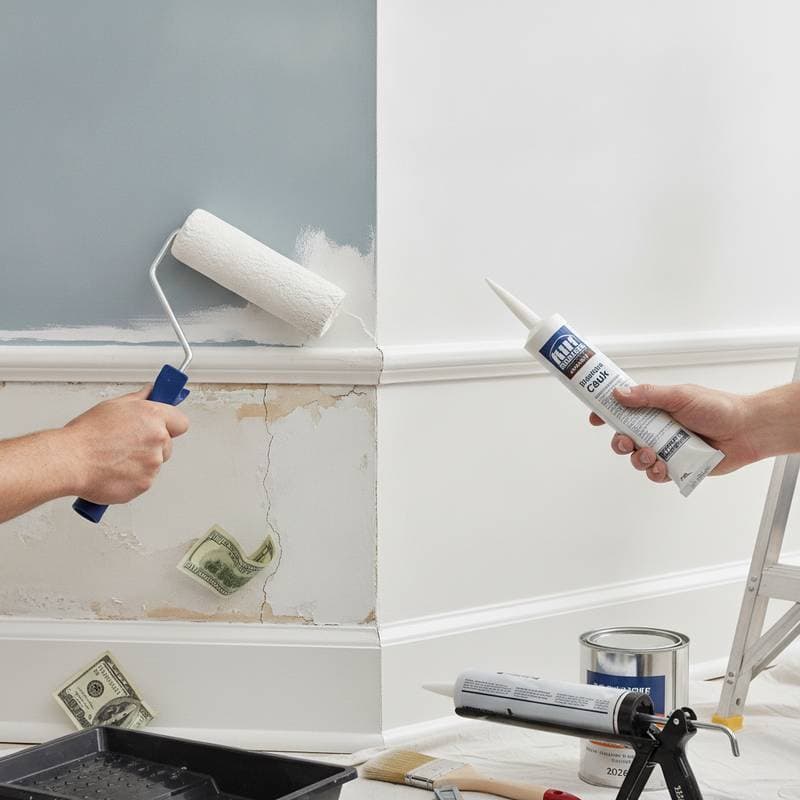
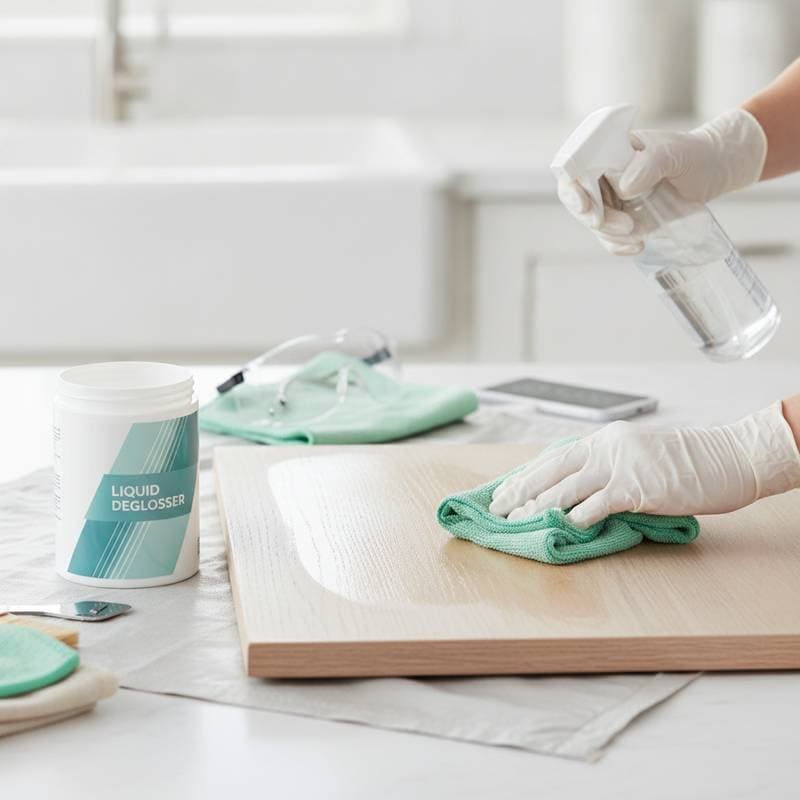
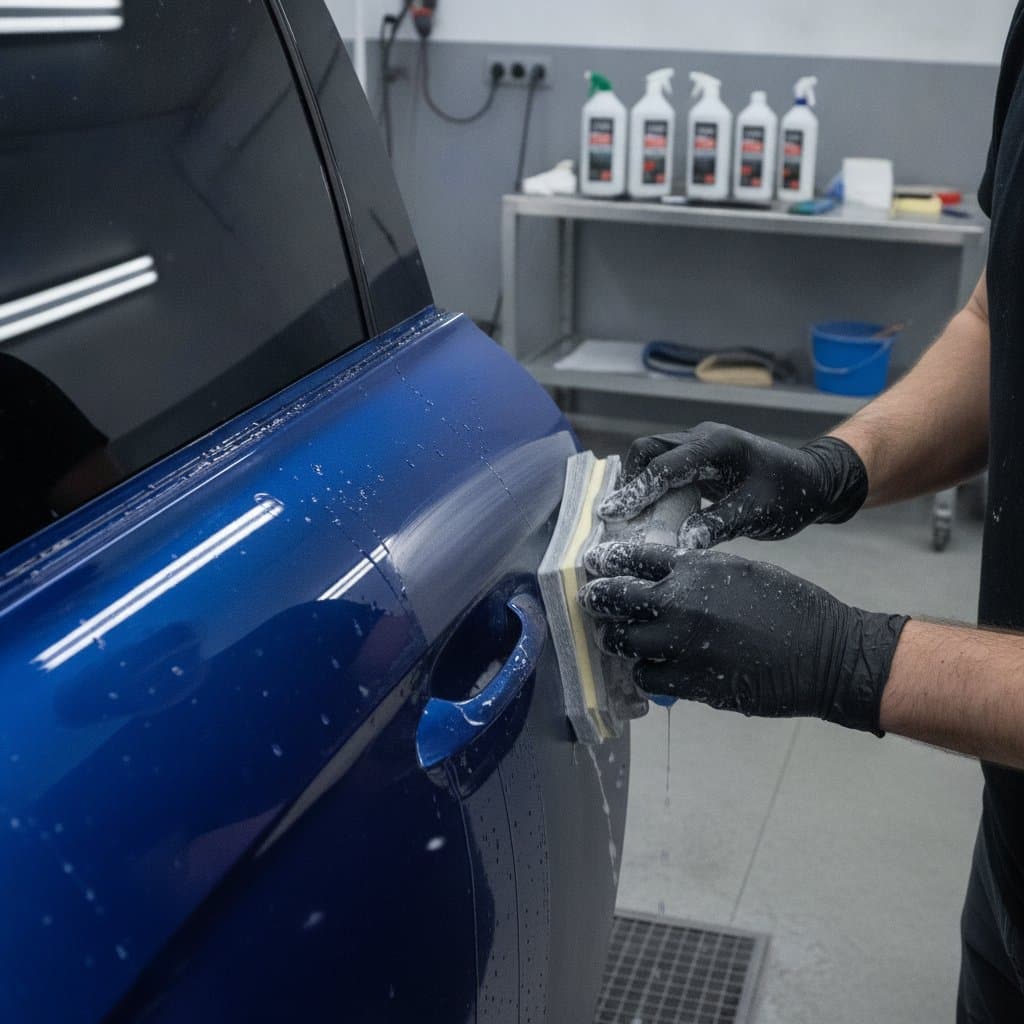
The $500 Mistake: Skipping Sanding Between Coats
A flawless paint finish demands attention from the initial preparation through the final application. Sanding between coats stands as one of the most frequently overlooked steps in the process. Homeowners often view it as an unnecessary effort, yet this omission creates visible flaws and necessitates expensive corrections. Issues such as bubbling paint, weak adhesion, and irregular textures emerge, compelling repaints that drain budgets. Grasping the role of sanding in maintaining quality and controlling expenses helps avoid this common pitfall.
Why Sanding Between Coats Matters
Every layer of paint or primer introduces subtle surface flaws. Dust, brush strokes, and minor ridges form as the coating dries. Light sanding eliminates these elements, providing a uniform foundation for subsequent applications. Without this step, fresh paint bonds inconsistently to the prior layer. The result includes textural variations and reduced durability, where paint lifts or flakes well ahead of schedule. This vulnerability shortens the lifespan of the entire job.
The Hidden Costs of Skipping Sanding
Neglecting sanding accelerates surface degradation, requiring full stripping and repainting far earlier than anticipated. For a typical interior room, such a redo ranges from $400 to $700, factoring in materials and professional labor. Even minor fixes demand new supplies like paint, primer, and abrasives, totaling $50 to $100. Hiring experts to address adhesion failures adds service fees of $300 to $500. A brief time-saving measure transforms into a substantial financial burden.
Cost Breakdown of Proper Surface Preparation
| Task | Material Cost | Labor Cost | Purpose |
|---|---|---|---|
| Light Sanding Between Coats | $10 - $30 | $50 - $100 | Smooths surface and promotes adhesion |
| Dust Removal and Cleaning | $5 - $15 | $25 - $50 | Removes debris that affects finish |
| Repainting Due to Poor Adhesion | $50 - $150 | $300 - $500 | Corrects peeling or uneven surfaces |
Upfront investment in sanding yields smoother results, deeper color saturation, and extended wear. These benefits outweigh the immediate outlay.
Factors That Influence Sanding Costs
Surface characteristics play a key role in effort required. Glossy or irregular areas demand intensive work, elevating labor expenses. Textured drywall or aged wood surfaces extend preparation time significantly.
Paint formulations also affect the process. Thick or high-gloss varieties amplify flaws, necessitating precise sanding for even coverage.
The quantity of coats influences total time. Additional layers multiply sanding opportunities, though omission heightens failure risks across the project.
Long-Term Value of Proper Sanding
Regular sanding bolsters resilience against wear. Prepared surfaces withstand impacts and abrasions, prolonging the paint's effectiveness. The enhanced smoothness elevates aesthetic quality to professional levels, satisfying homeowners for years.
Planning Your Budget
Budget-conscious painters should reserve 5 to 10 percent of overall expenses for preparation tasks. This allocation covers abrasives, cleaning supplies, and pre-coat assessments. Such foresight ensures efficiency and minimizes surprises.
Frequently Asked Questions
1. How much does sanding between coats add to a painting project?
Expect $60 to $130 extra in labor and materials for standard rooms, varying by surface state and paint variety.
2. What happens if you skip sanding between coats?
Omission leads to inadequate bonding, inconsistent gloss, and early flaking, triggering repair expenses in the hundreds.
3. Can you sand between coats yourself?
Yes, select fine-grit sandpaper and apply gentle pressure. Excessive abrasion risks harming underlying layers and inflating fixes.
4. How can you reduce sanding costs?
Prime surfaces meticulously prior to starting, employ reliable tools, and clear dust promptly after each coat.
5. Is sanding necessary for every coat?
Primer coats may skip it, but finish layers benefit greatly from sanding to secure superior smoothness and strength.
6. When should sanding occur during painting?
Perform it after full drying of each coat, then apply the next layer to optimize bonding and surface integrity.