The $800 Painting Mistake That Professionals Always Avoid
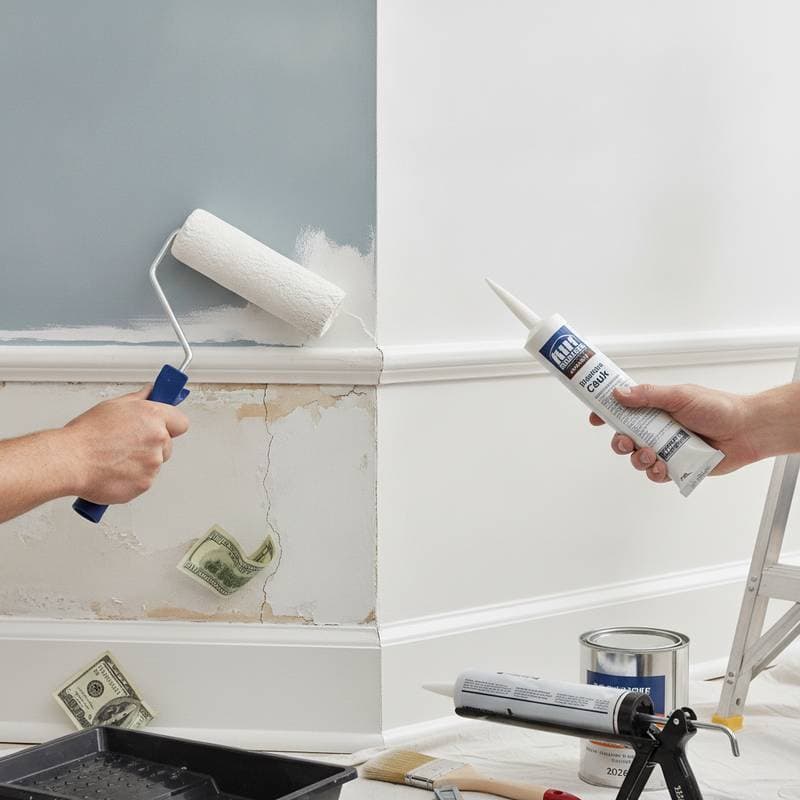
A freshly painted wall delivers a smooth, consistent, and professional appearance. However, many homeowners discover rough patches, uneven sheen, or subtle ridges even after using premium paint. This issue frequently stems from one overlooked step: sanding between coats. Neglecting this process transforms a simple paint job into an $800 correction project that requires professional intervention. Grasping the importance of sanding and executing it properly safeguards your investment and preserves your walls.
Why Sanding Between Coats Is Essential
Sanding between coats refines the surface to promote even bonding for the subsequent layer. As paint dries, dust particles, lint, or dried droplets accumulate on the surface. These imperfections seal beneath the next coat without removal, leading to visible flaws. Sanding eliminates these irregularities, fostering superior adhesion and a seamless final finish. Professionals view this step as a critical quality control measure rather than an elective task.
For interior walls, cabinets, or trim, omitting sanding results in noticeable defects under angled light. Small bumps and streaks cast shadows, rendering the paint uneven. In the long term, inadequate adhesion prompts peeling or chipping, necessitating earlier repainting than anticipated.
Project Cost Breakdown
Average Cost Ranges
- Basic repainting: $400 to $800 for a single room
- Standard project: $1,200 to $2,500 for multiple rooms or accent trim
- Premium finish: $3,000 to $5,000 for detailed woodwork or cabinetry
What Is Included
- Labor for surface preparation and painting
- Materials such as primer, paint, and sanding supplies
- Cleanup and minor wall repairs
What Costs Extra
- Full surface refinishing for peeling or damaged paint
- Upgraded paint brands or specialty finishes
- Additional coats required for color changes
Factors That Affect Final Cost
| Factor | Cost Impact | Examples |
|---|---|---|
| Surface condition | Moderate to high | Rough walls, previous peeling paint |
| Paint quality | Moderate | Premium low-VOC paints cost more |
| Prep time | High | Extra sanding and cleaning before coating |
| Room complexity | Moderate | Trim, built-ins, or detailed moldings |
Neglecting sanding can inflate costs by hundreds if rework becomes necessary due to poor adhesion or visible imperfections.
The Hidden Cost of Skipping Sanding
Without sanding between coats, the top layer fails to bond effectively. This deficiency eventually causes cracking or peeling, particularly in humid settings. Professionals impose additional fees to remedy these problems, which entail scraping, re-sanding, priming, and repainting. That $800 premium typically accounts for labor to address an issue preventable with a brief application of fine-grit sandpaper.
Minor imperfections escalate expenses by compromising the renovation's overall aesthetic. Blotchy or uneven paint diminishes the perceived quality of the entire project. For those preparing to sell or rent property, such inconsistencies can hinder market appeal. Proper sanding upholds professional standards, protecting your financial outlay.
How Professionals Sand Between Coats
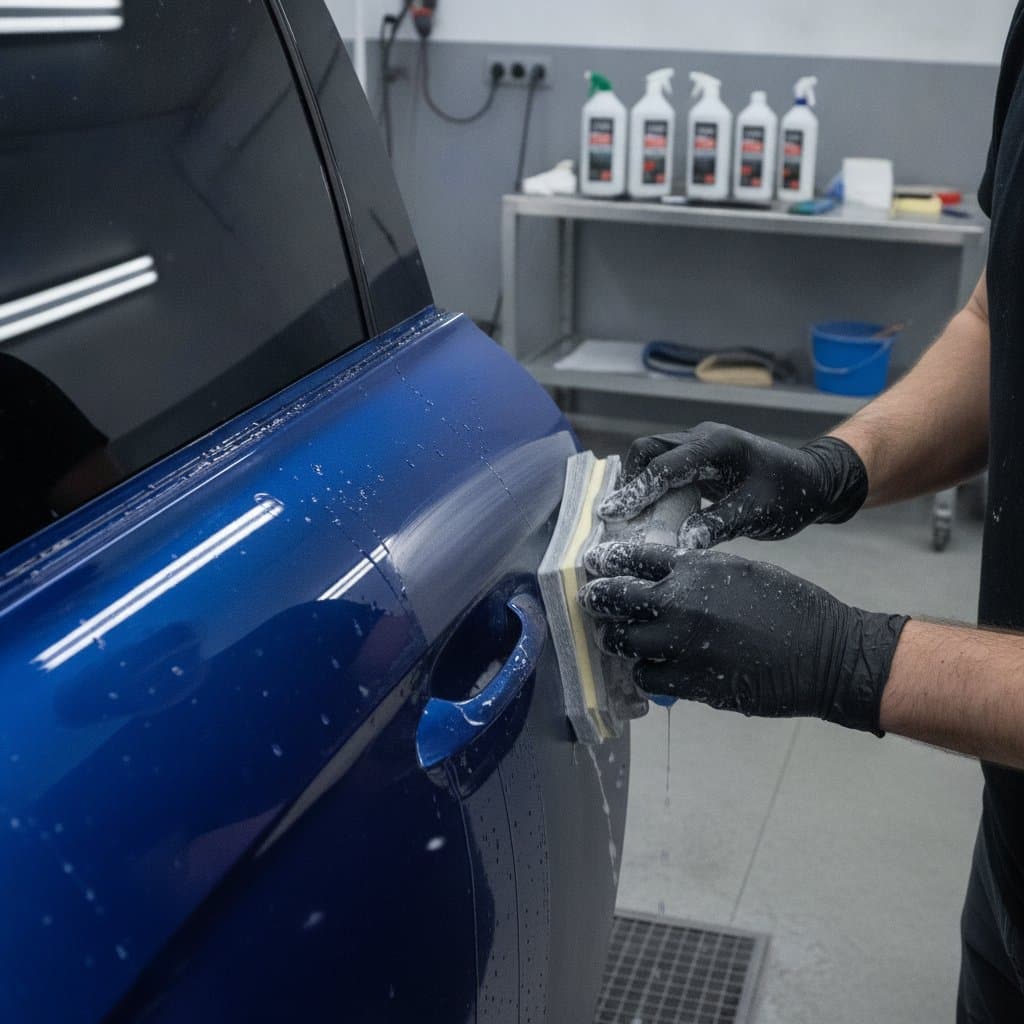
Seasoned painters adhere to a methodical approach that combines efficiency and accuracy. They permit each coat to dry fully prior to sanding. Upon drying, they apply light sanding with fine-grit paper, typically 220 to 320 grit. The objective remains to dull the sheen and clear debris without removing paint. Following sanding, they wipe the surface with a tack cloth or damp rag to eliminate fine dust before the next coat.
Professionals monitor environmental factors closely. Elevated humidity or reduced temperatures influence drying times and texture. They time sanding and recoating only after full curing to prevent surface damage.
When Homeowners Can Manage Sanding Themselves
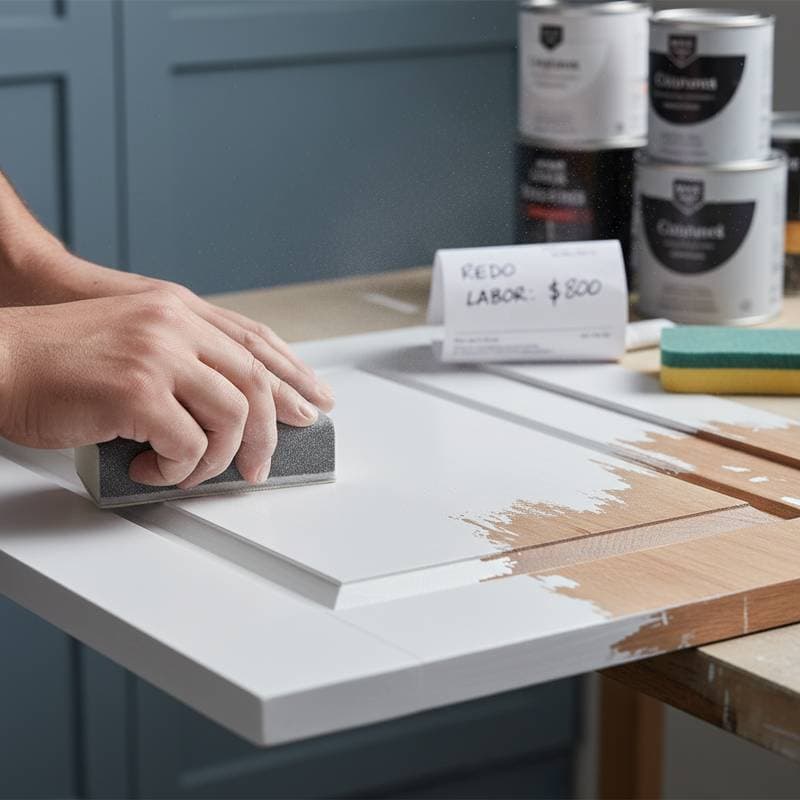
Homeowners tackling a small room or trim project can perform light sanding with precise techniques. Employ a sanding sponge or fine-grit paper to scuff the surface once each coat dries. Refrain from excessive pressure, which generates uneven areas. Thoroughly clean dust afterward using a vacuum with a brush attachment or microfiber cloth.
This DIY method suits straightforward surfaces like walls or ceilings. Intricate zones such as cabinetry, doors, or built-in furniture demand greater expertise for uniformity. Satin or gloss finishes amplify the need for professional intervention, as high-sheen paints expose every imperfection.
When to Hire a Professional
Engaging a professional painter proves wise for expansive areas, decorative finishes, or woodwork projects. Experts possess specialized tools like orbital sanders and dust extractors for rapid, smooth outcomes. They identify and rectify surface defects early, prior to new coats.
Professionals oversee comprehensive preparation, including hole patching, crack repairs, and priming. This meticulous care guarantees that sanding between coats yields the durable, smooth finish expected by homeowners.
Preparing for the Process
Homeowners facilitate efficiency by readying the space beforehand. Remove furniture and protect floors with drop cloths. Note any damaged areas or legacy paint problems. Inquire about the contractor's dust control and cleanup strategies. Transparent dialogue averts timeline or expectation discrepancies.
Sanding and painting span several days based on coat count and surface intricacy. A professional team usually finishes a medium room in two to three days, factoring in drying and sanding intervals. Exercising patience here yields superior, enduring results.
Common Sanding Mistakes to Avoid
- Skipping primer sanding: Primer often raises wood grain or accentuates wall flaws. A light sanding establishes a solid base for smoother topcoats.
- Using the wrong grit: Coarse paper risks surface damage or visible scratches beneath paint. Fine-grit options produce refined textures.
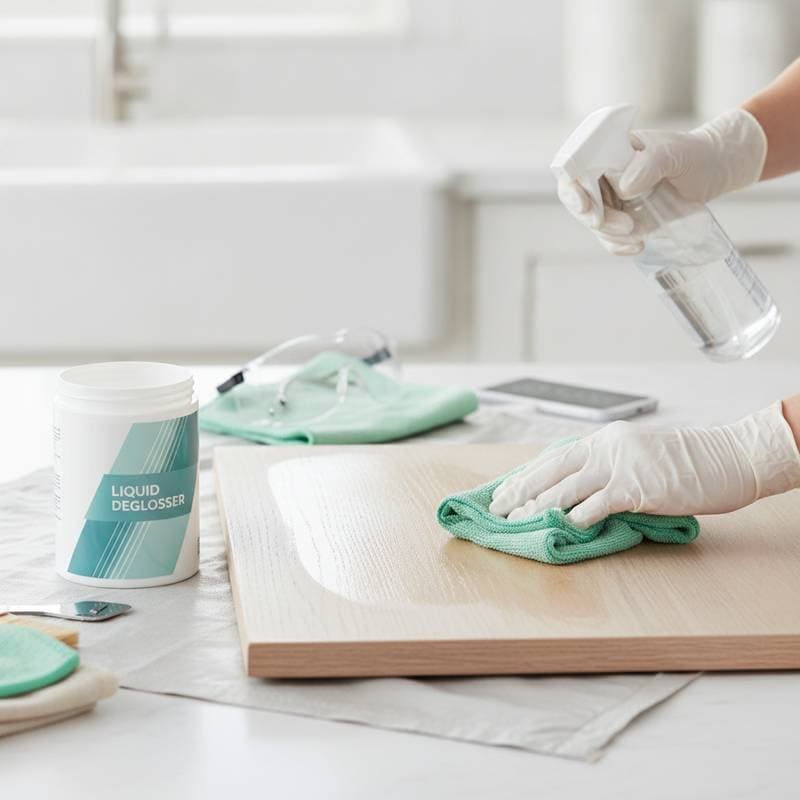
- Neglecting post-sanding cleanup: Residual dust integrates with the next coat, forming bumps.
- Over-sanding: Excessive material removal unveils underlying layers, causing color or sheen inconsistencies.
Steering clear of these errors streamlines the project and minimizes extra expenses.
Ensuring Lasting Results Through Proper Technique
Selecting professionals versed in surface preparation might appear as an upfront expense, yet it yields long-term savings. A smooth, resilient finish endures longer with reduced upkeep needs. Prioritizing sanding between coats spares the aggravation of peeling, uneven surfaces, and avoidable rework.
When evaluating bids, probe contractors on their preparation routines. Dependable painters detail sanding protocols between coats, material selections, and dust mitigation methods. Such insights reflect dedication to excellence over haste.
Frequently Asked Questions
How Much Does Sanding Between Coats Add to the Overall Cost?
Sanding generally contributes $50 to $150 per room in labor and materials, varying by surface size and state. This modest investment forestalls substantially higher repair bills later. Omitting it may inflate a failed job redo by $600 to $800, covering scraping, priming, and repainting.
How Long Does It Take to Sand Between Coats?
Light sanding requires 20 to 40 minutes per coat in a medium-sized room. Professionals perform it post-full drying. Drying duration hinges on paint variety and ventilation. Allowing sufficient time secures a superior final finish.
What Should Homeowners Do After Sanding to Prepare for the Next Coat?
Post-sanding, eliminate all dust via vacuum and tack cloth, then scrutinize the surface under bright light. A smooth, residue-free wall signals readiness for the next application. Overlooking cleanup undermines the sanding benefits.