Why Skipping Drywall Sanding Costs More Later
Drywall sanding represents a critical step in the preparation process for painting interior walls. Homeowners often overlook this task to save time, but such shortcuts lead to significant long-term consequences. This article explores the reasons behind the importance of sanding and the hidden costs associated with skipping it.
Understanding Drywall Sanding
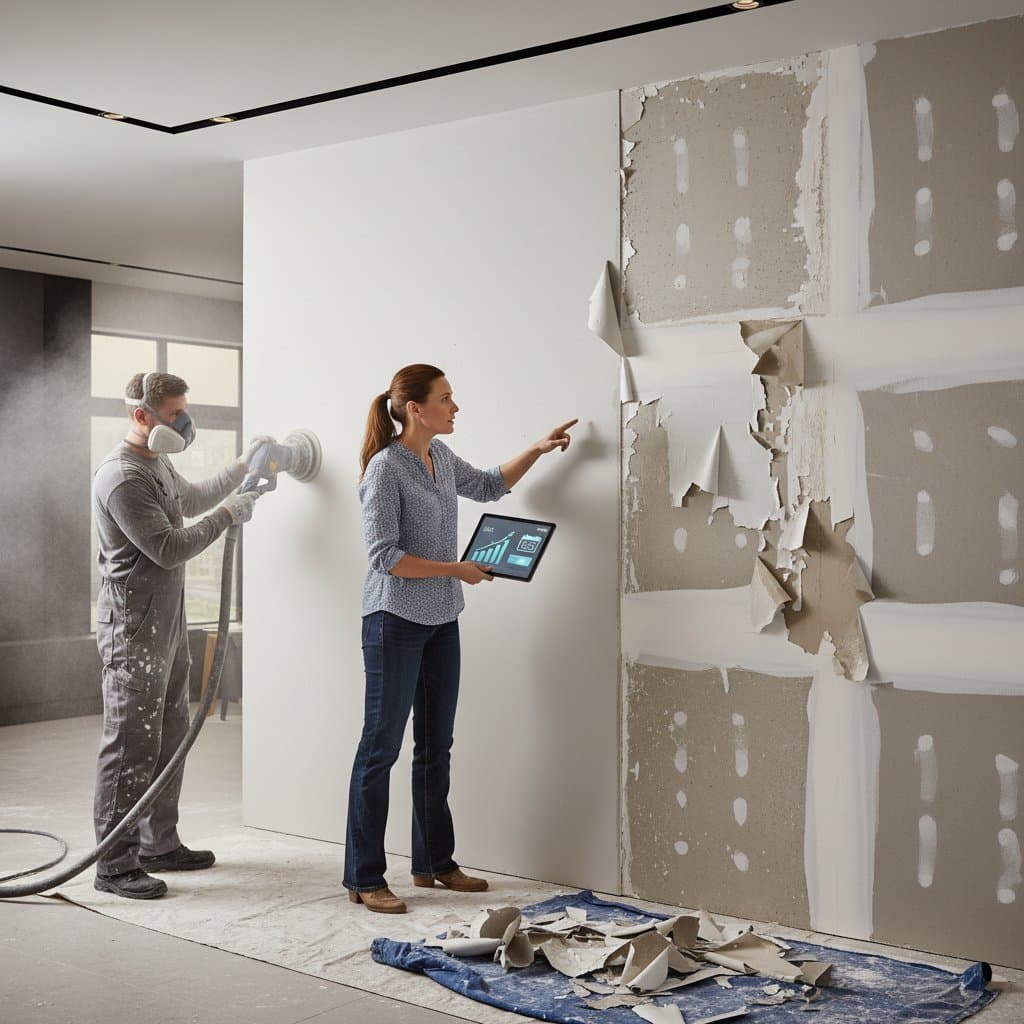
Drywall sanding involves smoothing the surface of newly installed or repaired drywall using abrasive tools. Joint compound, applied to seams and screw holes, dries to a hard finish that requires sanding to eliminate ridges and imperfections. Without this step, walls retain an uneven texture that affects the final appearance.
The process typically uses fine-grit sandpaper or sanding screens attached to poles for reach. Professionals recommend starting with 120-grit paper to remove excess compound, then progressing to 220-grit for a finer finish. This methodical approach ensures a uniform base ready for priming and painting.
Skipping sanding leaves behind rough patches that become visible under paint layers. Even minor inconsistencies can disrupt light reflection, making walls appear bumpy or shadowed in certain lighting conditions.
The Immediate Appeal of Skipping Sanding
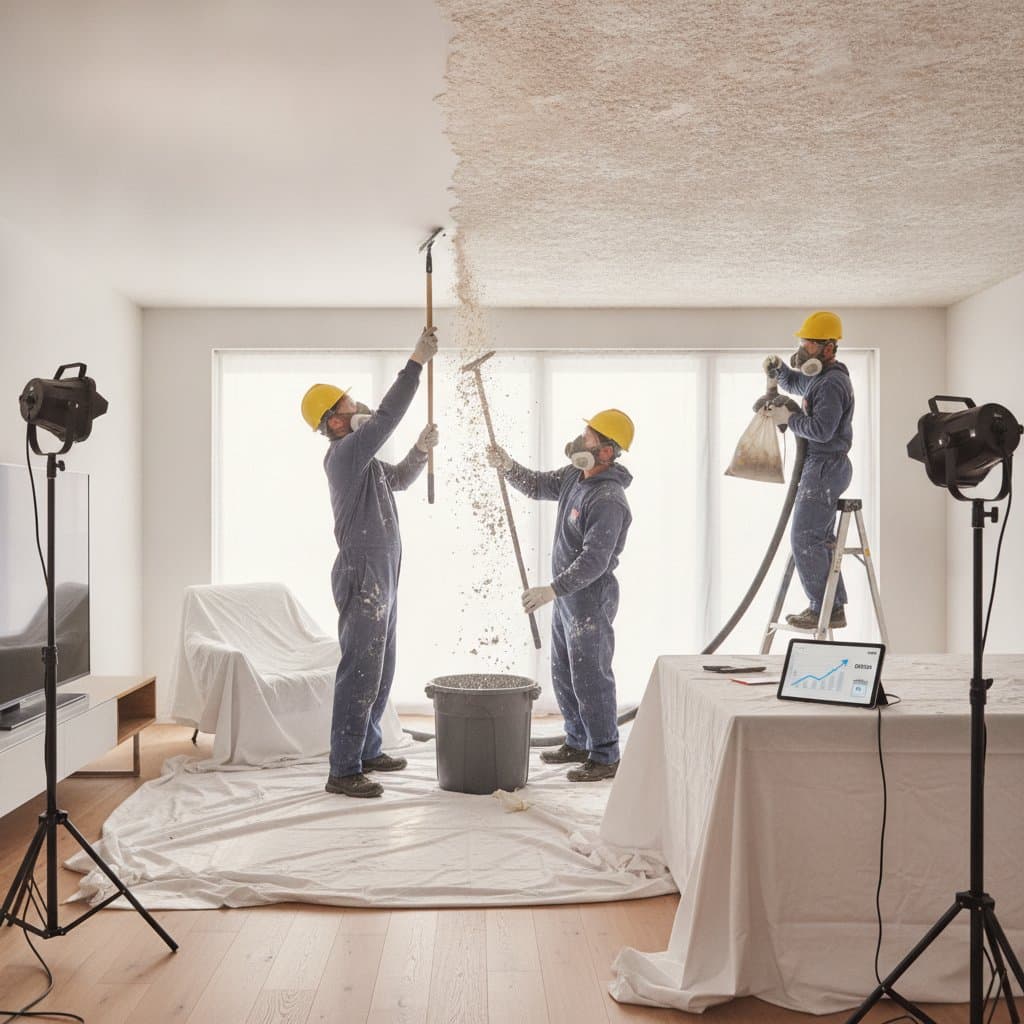
Many homeowners view sanding as labor-intensive and dusty, prompting them to bypass it entirely. The task can take several hours for a standard room, depending on the wall area and number of repairs. Dust control measures, such as plastic sheeting and vacuum attachments, add to the preparation time.
In the short term, avoiding sanding reduces effort and allows quicker progression to painting. However, this decision overlooks the foundational role sanding plays in adhesion and durability. Paint applied over unsanded surfaces fails to bond properly, leading to premature wear.
Long-Term Costs of Uneven Surfaces
Uneven drywall surfaces cause paint to settle inconsistently, creating a stippled or orange-peel texture. Over time, this unevenness exacerbates with humidity fluctuations, causing cracks to form along seams. Repairs then require stripping the existing paint, a process far more expensive than initial sanding.
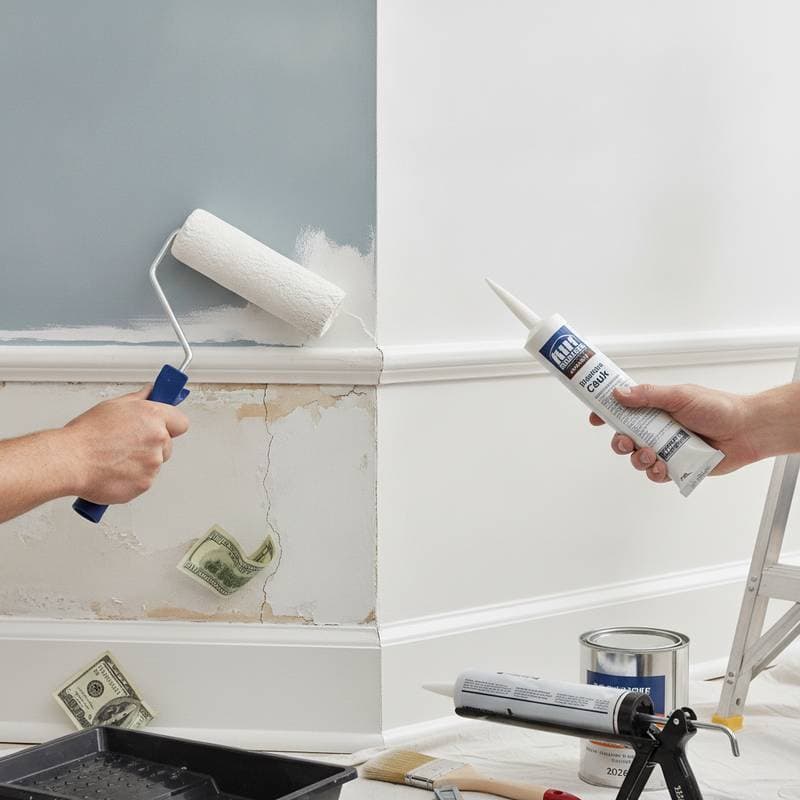
Peeling paint emerges as a common issue when adhesion weakens. The rough base prevents paint from gripping the wall, resulting in flakes that expose the drywall underneath. Homeowners face repeated repainting cycles, with each iteration costing hundreds of dollars in materials and labor.
Structural concerns arise in severe cases. Unsanded joints may hide underlying weaknesses, such as loose tape or improper compound application. Moisture infiltration through these flaws leads to mold growth, necessitating extensive remediation that includes drywall replacement.
Impact on Paint Quality and Finish
A smooth sanded surface allows paint to flow evenly, achieving a professional-grade finish. High-quality paints, with their precise formulations, perform best on prepared walls. Without sanding, even premium products yield subpar results, wasting investment in better materials.
Color consistency suffers on rough surfaces. Paint thickness varies across imperfections, altering shades subtly but noticeably. Achieving uniform coverage demands multiple coats, increasing both time and expense.
Durability decreases as well. Sanded walls resist chipping and scuffing better, extending the lifespan of the paint job. In high-traffic areas like hallways, unsanded walls show wear quickly, prompting earlier touch-ups or full repaints.
Calculating the True Cost of Sanding
Initial sanding costs range from $0.50 to $1.50 per square foot when done professionally, depending on room size and condition. For a 12x12-foot bedroom, this equates to $100 to $200. Tools for DIY sanding, including sandpaper and a pole sander, cost under $50 for basic setups.
In contrast, correcting skipped sanding later involves removal of old paint, which adds $2 to $5 per square foot. Repainting the same bedroom could total $400 to $800, not including potential drywall repairs at $1 to $3 per square foot. The cumulative expense often exceeds the original sanding investment by a factor of three or more.
Time factors compound the financial burden. A rushed paint job without sanding might save four hours initially but lead to eight hours of corrective work months later. Professional services charge $50 to $100 per hour, amplifying the oversight's impact.
Step-by-Step Guide to Proper Drywall Sanding
-
Prepare the area by covering floors and furniture with drop cloths. Turn off HVAC systems to minimize dust spread.
-
Apply joint compound to seams and holes, allowing full drying as per product instructions, usually 24 hours.
-
Start sanding with 120-grit paper, using circular motions to feather edges. Focus on high spots first to avoid over-sanding low areas.
-
Wipe down walls with a damp cloth to remove dust, then inspect under bright light for remaining imperfections.
-
Switch to 220-grit paper for final smoothing, ensuring a satin-like texture suitable for priming.
-
Vacuum thoroughly and apply primer to seal the surface before painting.
Following these steps ensures a flawless base. Homeowners new to the process benefit from practicing on small sections to build confidence.
Professional Insights for Optimal Results
Experienced painters emphasize consistent pressure during sanding to prevent gouges. Variable-speed sanders offer control for delicate areas near corners or ceilings. Dust extraction systems, connected to shop vacuums, keep workspaces clean and reduce health risks from airborne particles.
For textured walls, lighter sanding preserves the design while smoothing transitions. In humid climates, sanding after priming helps seal porous surfaces against moisture. Professionals advise against wet sanding for standard drywall, as it can weaken the paper facing.
Hiring certified contractors guarantees compliance with building codes, especially in older homes with potential asbestos in pre-1980s drywall. Initial consultations often include free assessments to identify sanding needs accurately.
Achieving Lasting Value Through Preparation
Investing time in drywall sanding yields walls that enhance home aesthetics and value. Smooth finishes impress potential buyers and reduce maintenance demands. Homeowners who prioritize this step enjoy vibrant, durable paint jobs that withstand daily use.
By understanding the ripple effects of shortcuts, individuals make informed choices for their projects. Proper preparation transforms routine renovations into enduring improvements, saving resources in the long run.