Why LRV Defines Brighter Paint Trends in 2025
Selecting the appropriate paint color extends beyond personal taste or aesthetic appeal. It requires comprehension of light interaction with surfaces. Professionals depend on Light Reflectance Value, abbreviated as LRV, as a critical metric. Homeowners increasingly pursue brighter, energy-efficient environments, positioning LRV as a pivotal element in contemporary paint choices. Grasping LRV's implications empowers individuals to enhance their home's ambiance, utility, and efficiency.
This guide delineates LRV's definition, its impact on paint brightness, and its role in emerging color trends. It further examines practical application across rooms, integration with lighting scenarios, and strategies for balancing brightness with color depth.
Why LRV Shapes Brighter Paint Trends
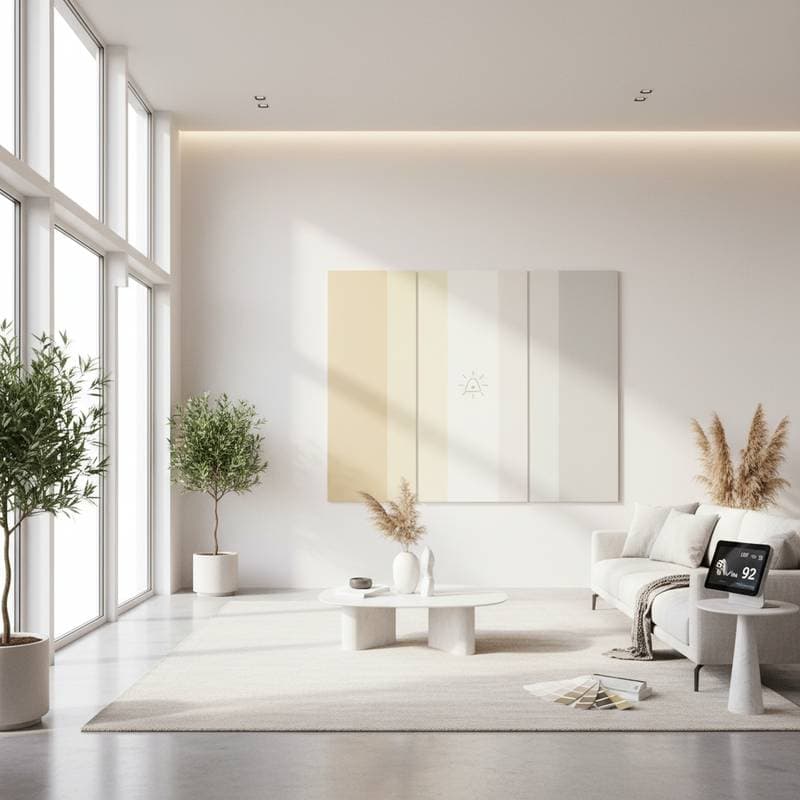
The surge in demand for luminous, spacious interiors elevates LRV's prominence in design discussions. Colors with elevated LRV values expand perceived room dimensions, amplify illumination, and foster welcoming atmospheres. Such qualities prove essential in dwellings with scarce natural light or compact layouts.
Industry experts observe a rising preference for hues that promote expansiveness and serenity. Neutral tones featuring moderate to high LRV, including subtle whites, faint grays, and subdued taupes, lead prevailing selections. These options harmonize light reflection with subtle warmth, enabling residents to cultivate refreshed yet cozy settings.
Selections now transcend mere color categories. Individuals prioritize reflectance metrics aligned with daily routines, illumination profiles, and desires for luminosity.
Factors That Influence LRV in Paint Selection
Multiple variables dictate a paint color's performance post-application. Awareness of these aspects equips homeowners for informed decisions.
Lighting Conditions
Both natural and artificial sources profoundly alter LRV's manifestation. Elevated LRV shades exhibit warmth and vibrancy in daylight yet may convey coolness beneath LED fixtures. To evaluate accurately, apply sample swatches across various walls and monitor variations from morning through evening.
Room Function
Reflectance requirements vary by space purpose. High-LRV selections brighten communal zones like living rooms and kitchens. Moderate-LRV choices suit restful areas such as bedrooms or studies, prioritizing ocular ease. Dimmer LRV shades introduce comforting intimacy in dining spaces or libraries.
Surface Texture
Glossy surfaces facilitate uniform light diffusion, maximizing LRV efficacy. Textured finishes, by contrast, diffuse light irregularly, marginally diminishing apparent reflectance.
Adjacent Finishes
Elements like flooring, moldings, and upholstery modulate wall color perception. Polished floors or crisp white accents amplify brightness, whereas dark timber or subdued sheens absorb illumination.
When to Hire Professionals vs. DIY
Painting endeavors demand meticulous execution, suitable supplies, and precautionary measures.
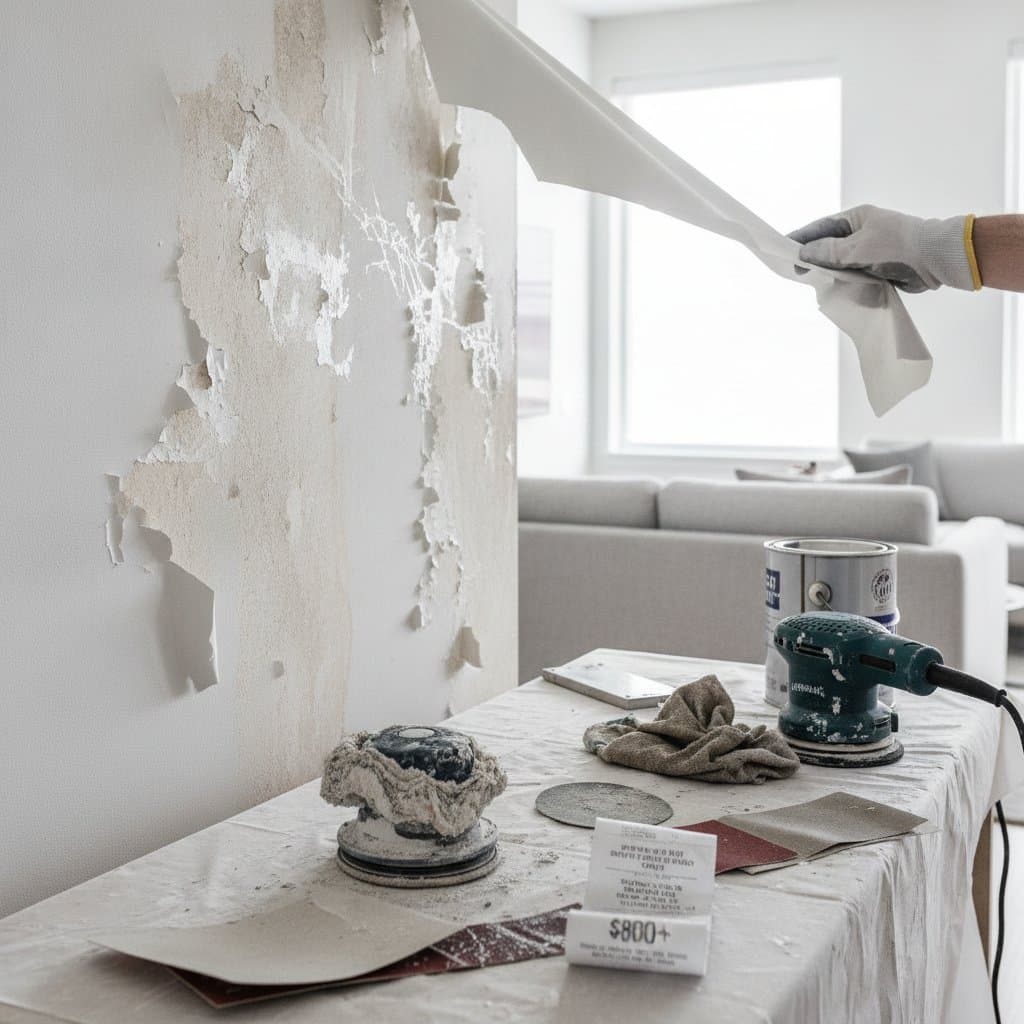
DIY approaches suit modest undertakings, such as single accent walls or minor refreshes. These methods prove economical for those possessing necessary implements and ample scheduling flexibility, including post-task restoration.
Professional services excel in expansive renovations, elevated installations, or intricate schemes. Certified experts provide seasoned insight, specialized gear, and streamlined operations. They assess LRV compatibility with site-specific lighting, guaranteeing uniform outcomes throughout interiors.
Cost Comparison
| Project Type | DIY Estimate | Professional Estimate | Notes |
|---|---|---|---|
| Small room | $200 - $400 | $400 - $800 | DIY reduces expenses but extends duration |
| Multi-room repaint | $600 - $1,200 | $2,000 - $4,000 | Experts accelerate completion |
| Whole-home interior | $1,500 - $2,500 | $8,000 - $20,000 | Teams achieve seamless, enduring results |
Choosing the Right LRV for Your Space
Optimal LRV selection hinges on illumination availability, spatial scale, and stylistic objectives.
High LRV (70 to 90)
These intensities suit confined or shaded areas lacking ample daylight. They engender spaciousness and elevate ceiling illusions. Exemplars encompass pure whites, soft creams, and airy grays.
Medium LRV (40 to 70)
Such ranges deliver equilibrium, infusing warmth sans excessive glare. They complement transitional zones including bedrooms, lounges, and corridors. Representative shades feature gentle greens, serene blues, and neutral beiges.
Low LRV (10 to 40)
These depths forge emphasis or seclusion. Rich navies, sooty charcoals, and verdant forests impart elegance, particularly when offset by luminous borders or accents.
Validate choices by trialing swatches on diverse walls, observing interplay with ambient light and adjacent elements.
Contractor Selection and Professional Process
Engaging qualified specialists safeguards aesthetic and operational success.
Research and Vetting
Seek providers holding valid credentials and coverage. Review endorsements and feedback emphasizing reliability, dialogue, and tidiness standards.
Quote Comparison
Solicit a minimum of three proposals, each detailing workforce, supplies, and preparatory protocols. Shun ambiguous figures or suspiciously modest offers that omit vital procedures.
Contract Essentials
Detailed agreements shield interests. They must specify project scope, hue parameters, remuneration phases, and assurance provisions.
Communication and Monitoring
Ongoing briefings sustain alignment. Competent teams elucidate prep techniques, curing intervals, and verification protocols prior to sign-off.
Preparing for a Painting Project
Effective outcomes stem from thorough groundwork.
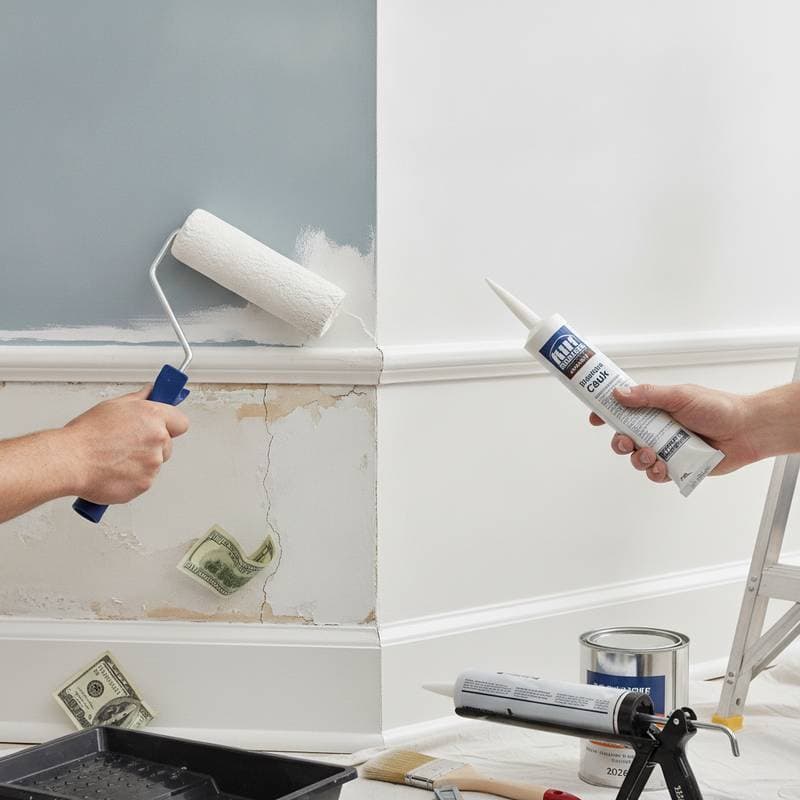
- Safeguard belongings and flooring via protective sheets or cloths.
- Address imperfections through patching, abrading, and thorough cleansing.
- Evaluate samples under varying illuminations.
- Verify hues and LRV metrics with applicators pre-purchase.
- Arrange airflow to mitigate fumes and expedite curing.
Meticulous prep minimizes disruptions and averts application errors.
The Role of LRV in Sustainable Design
LRV advances ecological efficiency through enhanced daylight utilization. High-LRV interiors diminish reliance on supplemental lighting, curbing power usage while elevating comfort.
Exterior applications of reflective paints lessen solar gain, aiding thermal regulation. Paired with insulation and radiant barriers, these measures optimize residential energy profiles.
Quality Standards and Maintenance
Premium formulations sustain LRV integrity against degradation. Gentle cleansing routines with neutral solutions uphold sheen.
Conduct yearly assessments for wear in active areas. Prompt touch-ups forestall patchy dimming and preserve reflective uniformity.
During renewals, adapt palettes to evolving light dynamics or updated decor. LRV serves as an enduring benchmark for harmonizing luminosity and tonal richness.
Planning Your Project
LRV equips homeowners to craft equilibrated, appealing domains. Elevated values infuse vitality and renewal, moderate tiers ensure cohesion, and subdued ones evoke atmosphere and definition.
From singular space revivals to comprehensive overhauls, LRV-directed choices yield reliable adaptations to fluxuating illuminations. Integrating specialist knowledge with deliberate selections yields residences that blend allure with practicality.
Frequently Asked Questions
How does LRV affect paint cost?
LRV does not directly alter pricing, yet pigments and compounds yielding superior reflection may elevate expenses marginally. Premium high-LRV variants employ advanced elements for enduring clarity and opacity. Anticipate a 5 to 15 percent premium over standard grades.
How long does a typical interior painting project take?
Isolated room efforts span one to three days, whereas comprehensive interiors demand one to two weeks. Factors like curing periods, remedial work, and shade shifts dictate pacing. Skilled applicators optimize sequences for robust, timely finishes.
What if the paint color looks different after it dries?
Ambient light and substrate qualities can shift dried appearances. Preemptive sampling mitigates surprises. Should variances persist, experts may refine sheens or layer additional applications for cohesive tone and reflection.