Understanding the $8,000 Average Cost for Exterior Painting in 2025
Exterior painting provides immediate benefits, including refreshed appearance, enhanced curb appeal, and improved surface protection. Homeowners often express surprise upon learning that the average cost for such a project reaches $8,000 in 2025. This figure arises from advancements in materials, skilled labor requirements, thorough preparation, and considerations of long-term value. The following sections explore these elements in detail, offering insights to inform your planning.
Advances in Quality Materials
Contemporary exterior paints feature formulations designed for extended durability, superior adhesion, and enhanced color retention. These properties result from the inclusion of high-grade resins, ultraviolet stabilizers, and mildew-resistant additives. Although these components increase upfront costs, they reduce the frequency of repaints and associated repairs.
For a typical single-story home, material expenses range from $1,000 to $2,000. Selecting premium self-priming or elastomeric paints provides broader coverage and extended maintenance intervals. Specialized finishes, such as ultra-matte designer options, may add several hundred dollars but maintain the exterior's appearance over a longer period.
Contractors should select paints compatible with the home's siding, whether wood, vinyl, fiber cement, stucco, or brick. Incompatible products risk peeling or moisture retention. Matching coatings to surface types ensures optimal performance and justifies the investment.
The Role of Skilled Labor and Safety
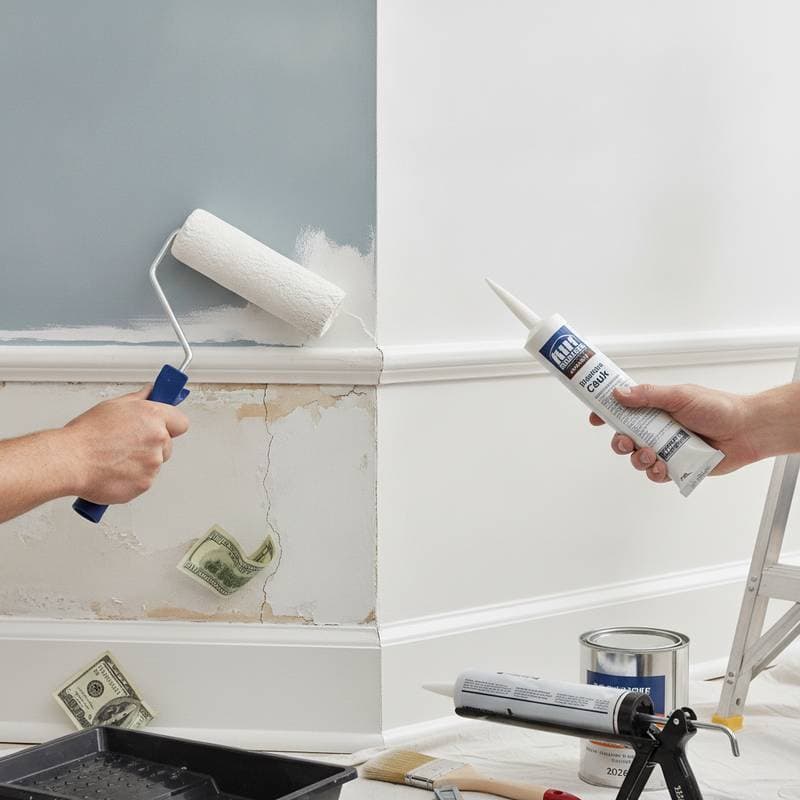
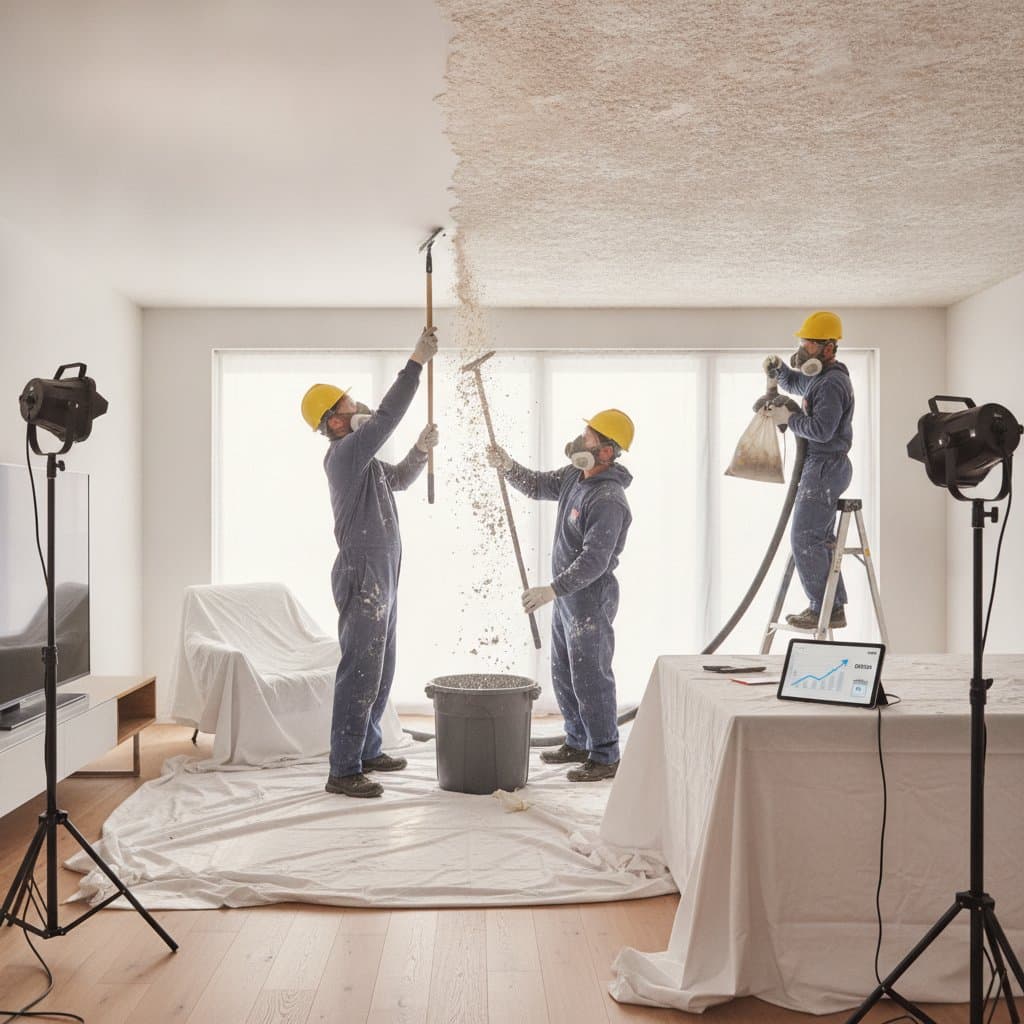
Professional painters possess expertise that ensures efficient and secure project execution. Their services encompass precise surface preparation, accurate application, and adherence to optimal weather conditions. A competent team handles tasks such as scraping, sanding, caulking, and priming while employing ladders, scaffolding, or lifts with proper safety measures.
Labor typically constitutes approximately 60 percent of the overall project expense, forming the foundation of the $8,000 average. Projects involving two-story structures, intricate trim, or detailed architecture demand additional time and personnel. Experienced crews complete work more quickly and achieve superior outcomes, safeguarding both the home and the investment.
To optimize efficiency, inquire about the contractor's crew composition and projected timelines. Under favorable weather, a single-story home can receive a full repaint in less than one week.
Essential Preparation Processes
Preparation forms the critical foundation for a durable paint finish, though it receives less attention than the application itself. This phase includes power washing, wood repairs, mildew remediation, and primer application. Neglecting these steps results in premature flaking or fading, necessitating earlier-than-anticipated repaints. Professionals excel in delivering comprehensive preparation.
Allocate about 20 percent of the budget to preparation activities. These may involve replacing damaged siding, sealing cracks, or using targeted primers. Transparent estimates that incorporate such services demonstrate contractor reliability. The expenditure covers not merely paint but enduring craftsmanship.
Homeowners inclined toward partial involvement can perform basic tasks, such as clearing vegetation from walls or removing loose debris. These efforts allow professionals to concentrate on specialized work.
Influences from Supply Chains and Availability
Shifts in material sourcing contribute to elevated pricing. Paint producers encounter increased expenses for resins and tinting agents, alongside rises in packaging and transportation costs. Certain pigments and specialty finishes rely on imported components, which can elevate prices or limit availability for premium options.
Professionals frequently procure materials in bulk from reliable suppliers to stabilize costs. For substantial projects, discuss the timing of material acquisition with your contractor. Early securing of supplies fixes prices and ensures availability, benefiting all parties involved.
Variations by Home Size, Complexity, and Location
The scale and design of a home significantly affect painting expenses. A compact ranch-style residence incurs lower costs than a multi-story Victorian with elaborate trim. Elements such as shutters, multi-color schemes, or ornamental moldings require additional masking, detailing, and manual application, extending labor hours.
Geographic factors also play a role. Urban regions with elevated living expenses often yield higher estimates, whereas suburban or rural areas may offer more competitive rates. Climatic conditions influence requirements; humid or coastal environments necessitate enhanced sealing against moisture, increasing both material and labor demands.
Budget-Tiered Project Options
Exterior painting projects can accommodate various financial levels while delivering meaningful improvements. Consider these three categories to align choices with your objectives.
Basic Tier: Ranging from $4,000 to $6,000, this option features standard paints, minimal preparation, and a single primary color. It suits smaller homes or straightforward refreshes. Annual washing and trim touch-ups extend the finish's lifespan.
Standard Tier: Priced at $7,000 to $9,000, this level incorporates advanced paints, moderate repairs, and multiple colors. It represents an optimal balance of longevity and aesthetics for many properties.
Premium Tier: Exceeding $10,000, this encompasses thorough preparation, elite coatings, accent details, and potential minor carpentry. It fits complex architectures or homes slated for resale.
Each tier provides proportional value. Select according to your residency duration and desired maintenance level.
Strategies for Visual and Photographic Appeal
Exterior colors interact uniquely with natural light and photographic conditions. Mid-tone neutrals paired with clean white trim yield striking results in images, while deeper shades add depth and elegance. Achieving harmony involves coordinating siding colors with roofing and landscaping elements.
For efficient enhancements, update doors and shutters with contrasting hues. Options like deep black, nautical blue, or vibrant green modernize traditional exteriors at a modest additional cost.
In sun-exposed locations, lighter tones reflect heat and minimize fading. For shaded settings, bolder colors prevent the structure from blending into surroundings. Testing sample patches outdoors reveals true appearances, as swatches may differ in real environments.
Maximizing Long-Term Benefits Through Maintenance
Exterior paint serves as a protective barrier against moisture, ultraviolet exposure, and thermal fluctuations. An $8,000 investment averts future expenses related to wood deterioration, sealant failures, and siding replacements. Well-maintained quality applications endure for a decade or longer.
Conduct annual inspections to identify cracks, chalking, or peeling. Addressing minor issues promptly preserves the integrity. Gentle cleaning with detergent and water, performed once or twice yearly, removes contaminants and prevents mildew growth. These routines represent straightforward efforts with substantial returns.
Selecting and Sustaining Your Exterior Palette
Choosing an exterior palette involves assessing architectural style, surrounding environment, and personal preferences. Consult with professionals to preview options through digital renderings or physical samples. Once applied, regular upkeep ensures the chosen design remains vibrant and protective, enhancing both daily enjoyment and property value over time.